

❓WHAT HAPPENED: The United States has officially withdrawn from the World Health Organization (WHO), citing concerns over the organization’s handling of the COVID-19 pandemic and other global health crises.
👤WHO WAS INVOLVED: The Trump administration, WHO officials, and international health organizations.
📍WHEN & WHERE: The withdrawal was formalized following an executive order issued by President Donald J. Trump in the U.S.
💬KEY QUOTE: “The United States has exited the World Health Organization. This fulfills President Trump’s commitment under an executive order signed one year ago, following the WHO’s mishandling of COVID-19 and its ongoing lack of reform, accountability, & transparency.” – White House statement.
🎯IMPACT: The withdrawal will mean the U.S. is no longer bound to WHO edicts, including the recently signed pandemic treaty.
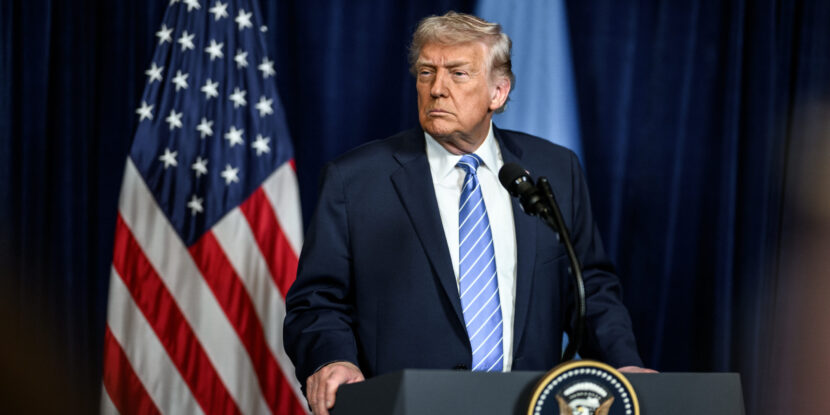
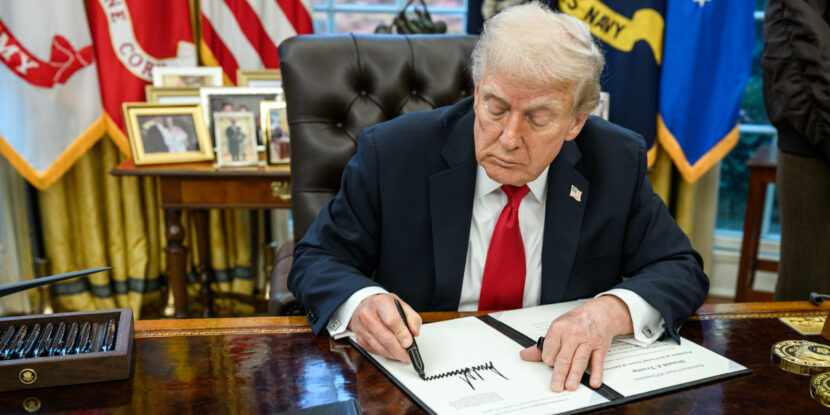
The United States has officially completed its withdrawal from the World Health Organization (WHO). The move follows an executive order signed by President Donald J. Trump, who accused the United Nations (UN) agency of mishandling the COVID-19 pandemic, subservience to China, and failing to carry out meaningful reforms.
Administration officials have said the U.S. intends to pursue direct public health partnerships with other countries rather than work through the WHO. The WHO has also claimed that America owes it around $133 million for dues from 2024 and 2025; however, the Trump administration has stated that it has no obligation to pay the dues since withdrawing.
“The United States has exited the World Health Organization. This fulfills President Trump’s commitment under an executive order signed one year ago, following the WHO’s mishandling of COVID-19 and its ongoing lack of reform, accountability, & transparency,” the White House announced on January 23.
The U.S. withdrawal coincides with broader controversy surrounding the WHO. The organization recently ratified a legally binding global pandemic treaty aimed at improving preparedness and cooperation during future outbreaks, a move that critics argue could expand international authority over national health policies. U.S. officials and lawmakers have also objected to proposed amendments to international health regulations and to certain WHO advisory panels, including one focused on transgenderism, citing concerns over sovereignty and scientific standards.
Join Pulse+ to comment below, and receive exclusive e-mail analyses.