




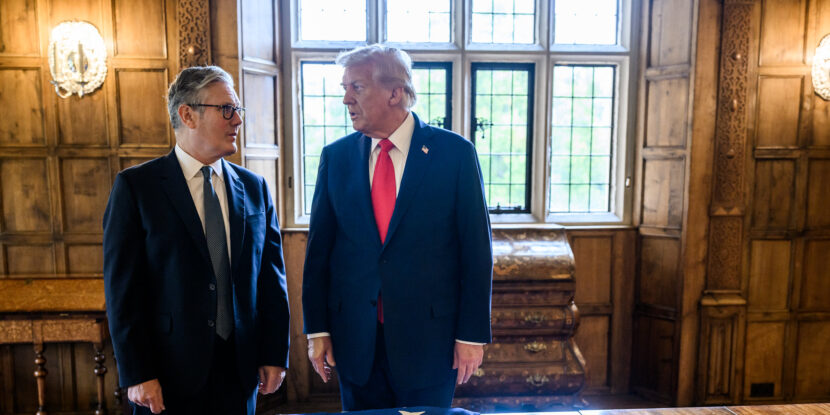
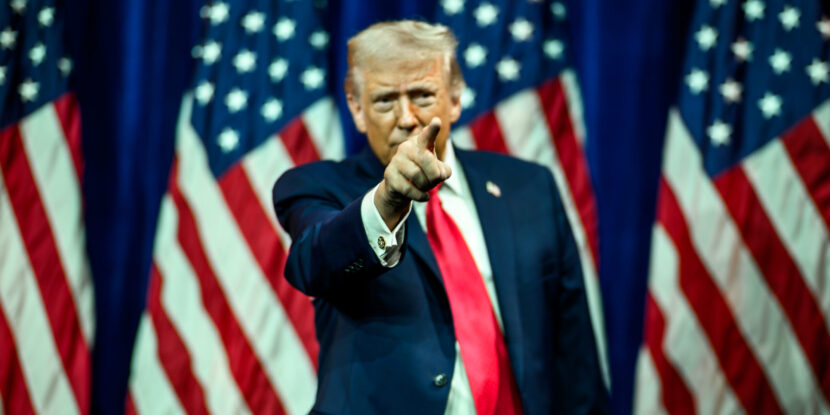
❓WHAT HAPPENED: Donald Trump criticized international allies, including the UK, Germany, and Australia, for their reluctance to support his proposal for a multinational naval force to reopen the Strait of Hormuz.
👤WHO WAS INVOLVED: Donald Trump, Sir Keir Starmer, Emmanuel Macron, Boris Pistorius, Antonio Tajani, and Sanae Takaichi, among others.
📍WHEN & WHERE: Ongoing discussions amidst the Iran war, with events occurring in the Middle East, the UK, and other global hubs.
💬KEY QUOTE: “I was very surprised with the United Kingdom because… two weeks ago I said, ‘Why don’t you send some ships over?’ And he really did not want to do it.” – Donald Trump
🎯IMPACT: The lack of international support complicates efforts to secure the Strait of Hormuz, exacerbating tensions in the Middle East and fueling global energy market instability.
Donald Trump has criticized several key allies, including the UK, Germany, Italy, Japan, and Australia, for their hesitation to join his proposed multinational naval force to reopen the Strait of Hormuz. The waterway has become a flashpoint amid the ongoing Iran war, with oil supply routes disrupted due to Iranian aggression.
The US president expressed disappointment in the UK’s response, singling out Prime Minister Sir Keir Starmer for failing to take decisive action. “I said ‘you don’t want to do it, we’ve been with you, you are our oldest ally, and we spend a lot of money on NATO… to protect you,’” Trump stated. He also criticized Starmer’s leadership approach, saying, “You don’t need to meet up with the team, you are the Prime Minister, you can make your own [decision].”
While Trump has called for greater international involvement, allies like Germany and Australia have declined to participate. German Defense Minister Boris Pistorius remarked, “This is not our war, we have not started it,” while Italian Foreign Minister Antonio Tajani noted that his country’s naval efforts remain focused on the Red Sea.
Public opinion appears to reflect the sentiments of European leaders, many of whom view the conflict as Israeli-led and not in their interests.
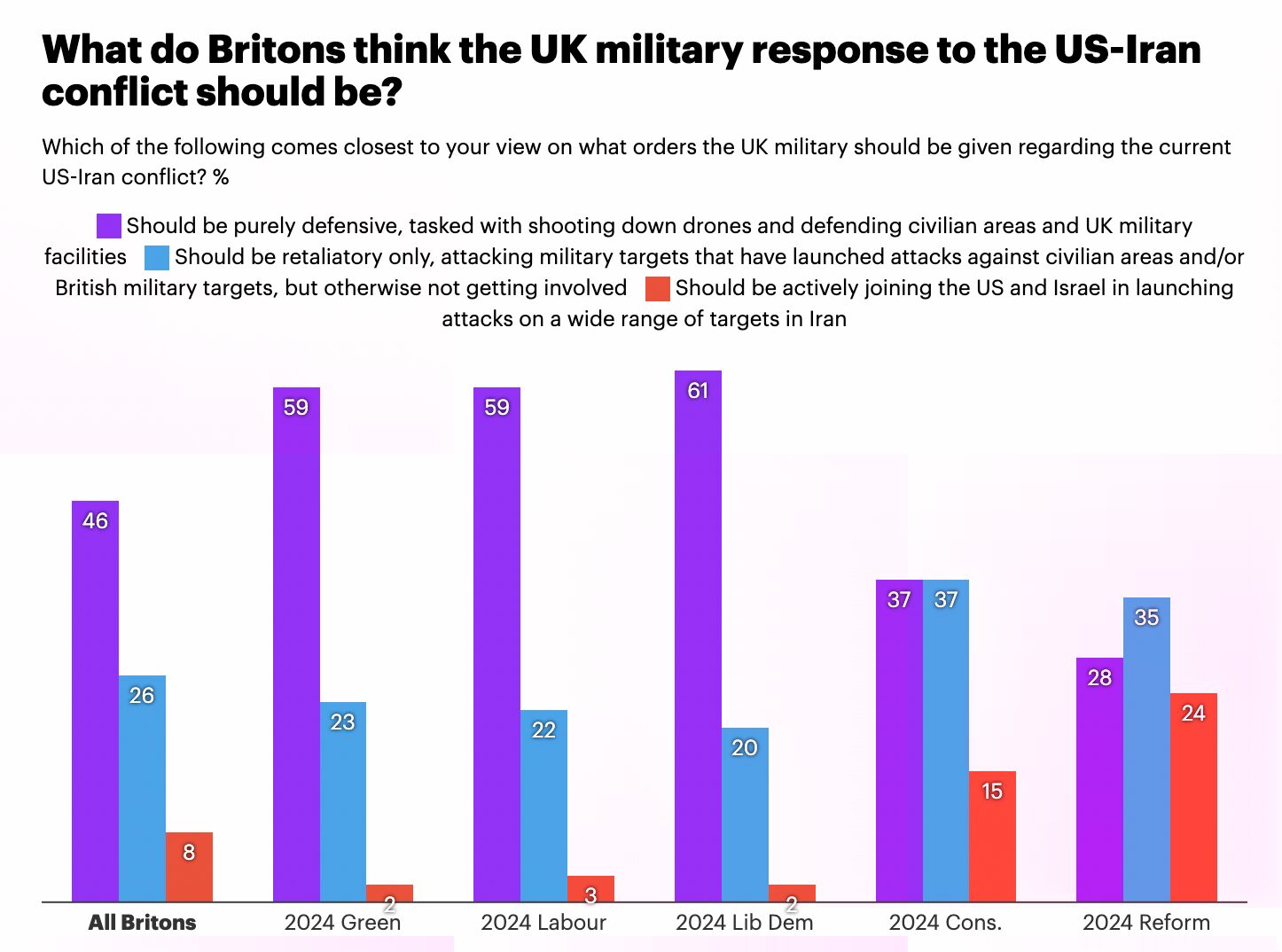
Most Britons believe the UK should be “purely defensive,’ with 46 percent favoring shooting down drones and defending civilian and military sites. About 26 percent support a “retaliatory only’ role, attacking military targets that strike civilians or UK forces, but avoid wider involvement.
Only 8 percent of Britons want the UK to join the conflict, launching attacks in Iran.
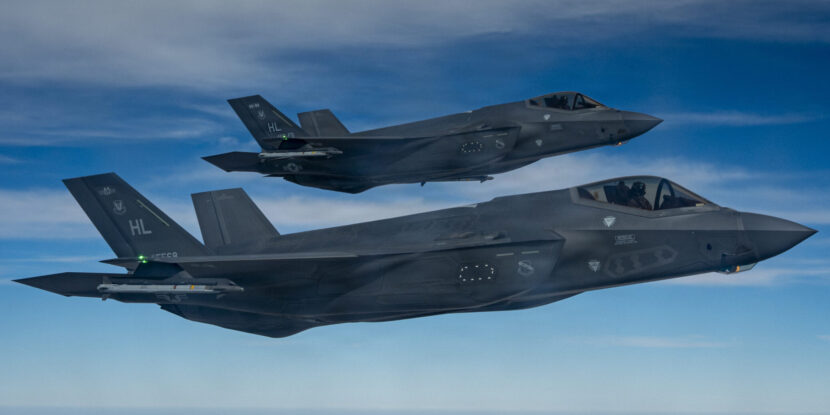
The closure of the Strait of Hormuz, through which a fifth of global oil supplies pass, has driven up oil prices and heightened global market instability. Naval experts have warned of the risks involved in escorting oil tankers through the strait, citing potential Iranian drone attacks.
Join Pulse+ to comment below and receive exclusive email analyses.










.jpg)


