


❓WHAT HAPPENED: U.S. officials assessed Israeli Prime Minister Benjamin Netanyahu’s proposals regarding Iran, deeming parts of them unrealistic, according to exclusive new reporting from the co-authors of the forthcoming book Regime Change: Inside the Imperial Presidency of Donald Trump.
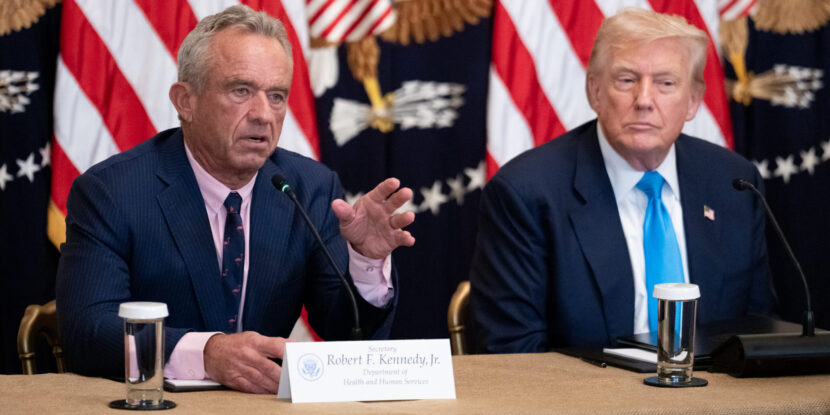
👤WHO WAS INVOLVED: President Donald J. Trump, Israeli Prime Minister Netanyahu, U.S. intelligence officials, Secretary of State Marco Rubio, and General Dan Caine.
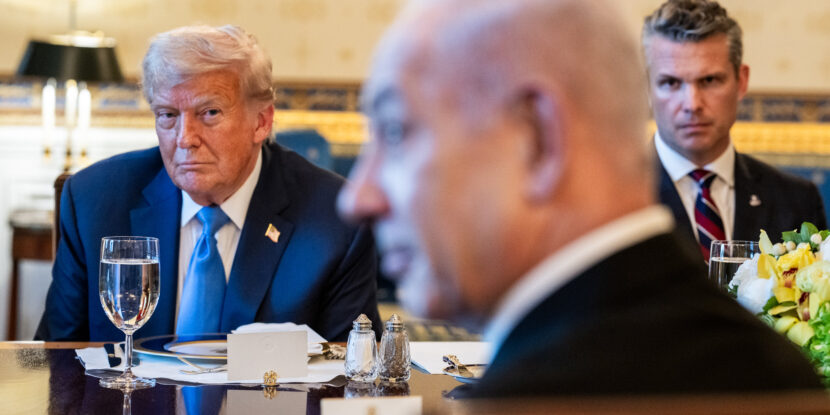
📍WHEN & WHERE: February 12, Situation Room meeting with American officials.
💬KEY QUOTE: “Sir, this is, in my experience, standard operating procedure for the Israelis. They oversell, and their plans are not always well-developed.” – General Caine
🎯IMPACT: The assessment influenced President Trump’s consideration of military action against Iran.
During a high-stakes meeting in the Situation Room, U.S. officials evaluated Israeli Prime Minister Benjamin Netanyahu’s proposals regarding Iran. These proposals included decapitation of the Iranian leadership, crippling Iran’s power projection capabilities, instigating a popular uprising, and full scale regime change.
The U.S. intelligence community found the first two objectives achievable but deemed the latter two, including a Kurdish ground invasion, unrealistic. CIA Director described the regime change scenarios as “farcical,” and Senator Rubio bluntly called them “bullshit.”
The news comes from an exclusive report by The New York Times‘s Maggie Haberman and Jonathan Swan. On March 16, Haberman and Swan were spotted in the West Wing, with President Donald J. Trump reportedly answering their questions in the Oval Office for an hour. The pair are believed to have been working on the book for almost two years, conducting nearly 1000 interviews along the way. Haberman’s previous attempt at a Trump book fell extremely flat.
General Dan Caine, a top military adviser to President Trump, reportedly noted that Israeli plans often lacked development and required U.S. support. He cautioned against the unpredictability of conflict outcomes and the difficulty of achieving regime change.
President Trump was interested in the first two objectives but recognized that regime change would be “their problem,” indicating it would not influence his decision on military action against Iran.
General Caine also highlighted the challenges of a major campaign against Iran, including depleted U.S. weapon stockpiles and securing the Strait of Hormuz. Despite these concerns, President Trump believed a war would be swift, influenced by the limited reaction to previous U.S. actions. The full Times piece can be read here.
Join Pulse+ to comment below, and receive exclusive e-mail analyses.