


The U.S. Department of State has announced a large funding package to repair Chernobyl’s protective structure, damaged during the ongoing Russia-Ukraine war, to prevent potential radioactive leaks.
| PULSE POINTS |
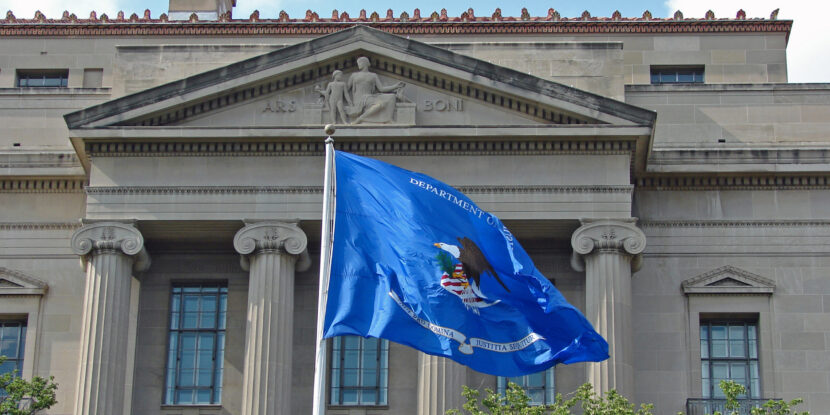
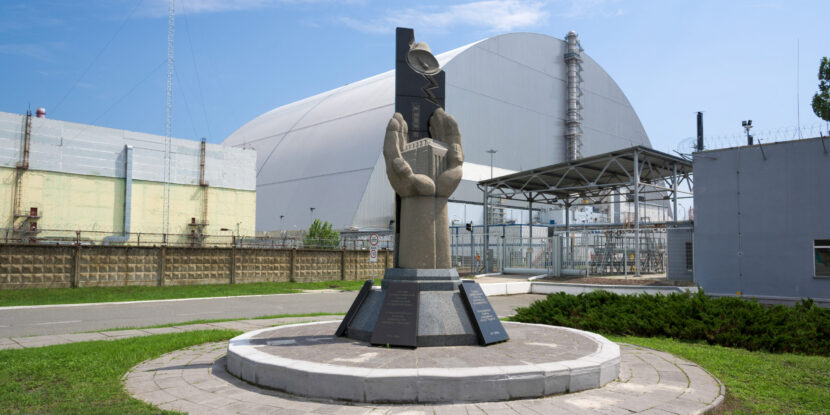
❓ WHAT HAPPENED: The United States Department of State has pledged $100 million to repair the Chernobyl nuclear plant after it was damaged by a suspected drone strike. The State Department’s pledge constitutes 20 percent of the G7’s approximately $500 million cost to repair the site’s protective structure. 📺 DETAIL: On Wednesday, the U.S. Department of State announced a $100 million commitment towards repairing the Chernobyl (Chornobyl) power plant, the site of the infamous 1986 nuclear disaster in Soviet Ukraine. The plant remains a critical concern due to its high levels of radioactive material. To contain the radiation, a protective structure called the New Safe Confinement (NSC) was built around the site to secure the reactor’s remains and manage contamination. However, in February 2025, the NSC was damaged in a suspected drone strike. Emergency repairs were made at the time, but have proven insufficient, raising concerns about radioactive leaks and similar problems, sparking a response from the State Department. 💬 KEY QUOTE: “It is urgent that all measures are taken to find a way to restore as much of the critical functions of the facility as possible.” – Eric Schmieman, engineer involved in NSC design and construction 🎯 IMPACT: Without sufficient repairs, the damaged NSC structure could fail to contain radioactive materials and contamination. This jeopardizes not only Ukraine but the entirety of Europe and beyond. The kind of repairs required to restore the NSC to its fundamental capabilities are complex, dangerous, and challenging under normal conditions. Conducting such large-scale engineering work during a war complicates things further. 📺 FLASHBACK: Following the drone strike in early 2025, Chernobyl’s protective shield was confirmed as damaged by the International Atomic Energy Agency (IAEA). The IAEA stressed that while radiation levels have not increased, the site’s ability to contain radioactive material was compromised. |
Join Pulse+ to comment below, and receive exclusive e-mail analyses.