




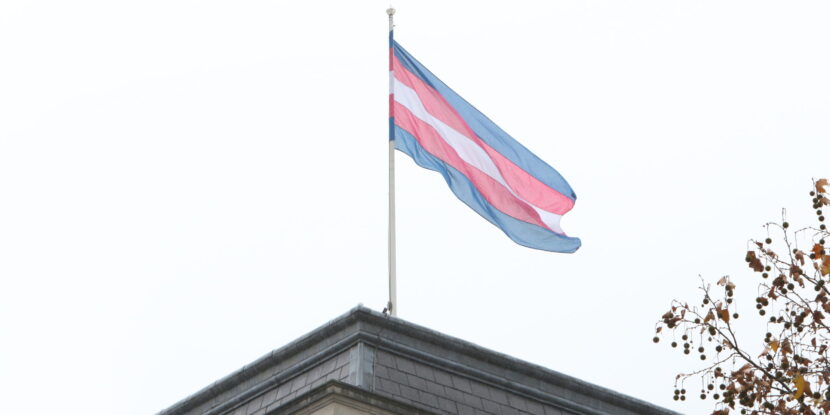
The Trump administration’s new counterterrorism strategy focuses on addressing threats from violent secular political groups, including transgender extremists and anarchists like Antifa.
| PULSE POINTS |
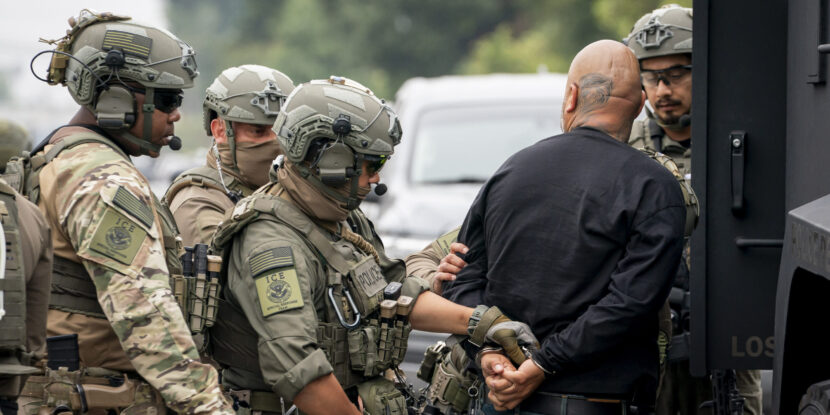
❓ WHAT HAPPENED: The White House released a new counterterrorism strategy that prioritizes addressing threats from violent secular political groups, including those tied to radical ideologies such as transgender extremism and anarchism. The strategy also includes a commitment to neutralizing these groups before they can harm Americans. 📺 DETAIL: The plan, revealed on Wednesday, emphasizes preemptive action, including mapping suspected networks, identifying members, and disrupting operations before attacks occur. Officials said the strategy will target “anti-American” or violent ideological movements, including anarchist-linked groups such as Antifa and individuals associated with radical transgender ideology, alongside other forms of political extremism. The initiative also prioritizes dismantling cartel operations to curb trafficking and violence, while continuing efforts against global terrorist organizations like al-Qaeda and ISIS. Authorities say the approach will use all constitutionally available law enforcement tools and expand coordination with international partners to address threats from regions such as the Middle East. The plan follows rising political violence in the U.S., including high-profile attacks, and aims to address extremism across the ideological spectrum. Transgender violence has been a major issue following several mass shootings in recent years, including a terrorist cell that killed several people across the country, including a Border Patrol agent in early 2025. 💬 KEY QUOTE: “We will use all the tools constitutionally available to us to map them at home, identify their membership… and use law enforcement tools to cripple them operationally before they can maim or kill the innocent.” – Sebastian Gorka, Senior Director for Counterterrorism 🎯 IMPACT: The strategy signals a significant shift in counterterrorism priorities, focusing on domestic threats from radical secular groups alongside traditional threats like cartels and jihadist organizations. It also reflects a broader effort to address the rise of politically motivated violence in the United States. 📺 FLASHBACK: Recent years have seen a rise in violence committed by individuals identifying with radical ideologies, including the Nashville school shooting and the assassination of Charlie Kirk. These incidents have drawn attention to the growing threat posed by extremist groups and individuals. |
Join Pulse+ to comment below, and receive exclusive e-mail analyses.













.jpg)


