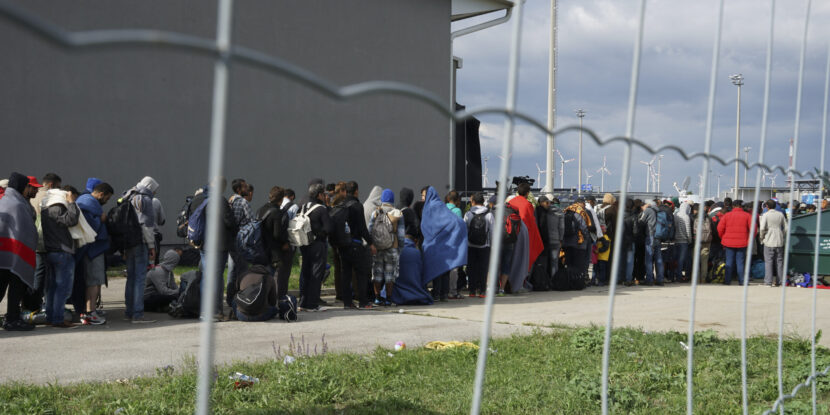
Germany’s soaring migration costs, exceeding €40 billion ($46.5bn) annually, are placing immense pressure on public budgets, infrastructure, and healthcare.
| PULSE POINTS |
❓ WHAT HAPPENED: Germany is facing migration-related costs exceeding €40 billion (~$46.5bn) annually, with critics warning the true figure could be nearer €50 billion (~$58.1bn) once state and municipal expenses are included. According to reports citing government and regional data, the federal government’s official €24.8 billion (~$28.8bn) figure excludes major costs borne by local authorities, including housing, healthcare, welfare, and infrastructure. 📺 DETAIL: German states and cities say federal funding falls far short of actual expenses, with Bavaria and Hamburg among those demanding greater support. In North Rhine-Westphalia alone, spending on unaccompanied minors reached €667 million (~$775.7m) in 2025, up €320 million (~$372.1m) from the previous year, while Hesse reported costs nearing €235 million (~$273.3m). Housing shortages, rising rents, overcrowded hospitals, and increasing pressure on transport systems have intensified concerns over the long-term sustainability of current immigration policies. Health insurers have also warned of growing deficits, noting that government contributions for migrants often fall well below actual medical costs, leaving taxpayers and workers to cover the gap through higher premiums. Claims that mass migration would stabilize Germany’s pension system are now being challenged, as discussions grow around raising the retirement age to as high as 73. The mounting financial and social pressures have pushed migration policy to the center of Germany’s political debate, with increasing calls for stricter policies focused on economic sustainability and national interests. 🎯 IMPACT: The financial strain is reshaping Germany’s political landscape, with rising costs fueling debates about raising the retirement age to pay for the migrants. |
Join Pulse+ to comment below, and receive exclusive e-mail analyses.