




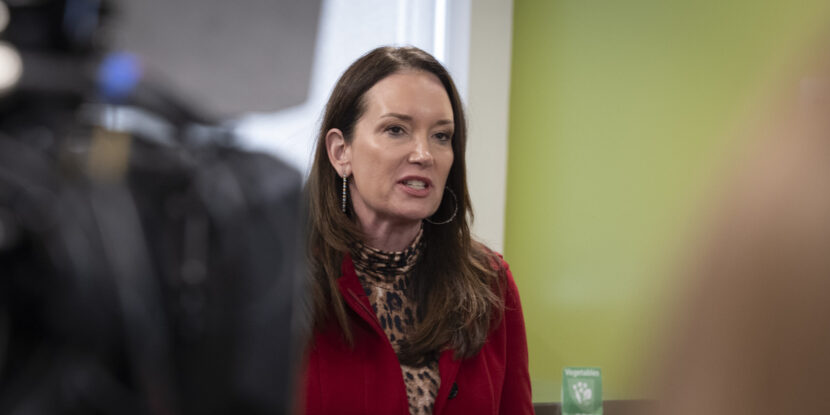
The United States Department of Agriculture’s decision to include year-round dairy workers in the seasonal H-2A visa program has drawn criticism over its potential impact on American workers.
| PULSE POINTS |
❓ WHAT HAPPENED: The United States Department of Agriculture (USDA) announced that year-round dairy workers are now eligible for H-2A seasonal work visas. 📺 DETAIL: The H-2A visa allows agricultural employers to hire foreign nationals for temporary or seasonal farm work. It is designed to fill labor shortages and requires employers to prove that domestic workers are unavailable. The visas are limited to agricultural labor or services a temporary or seasonal nature, usually lasting for a period of up to one year. “The guidance clarifies that dairying is an agricultural activity eligible for consideration under the H-2A program and recognizes that dairy operations may experience temporary or seasonal labor needs that qualify for H-2A employment,” announced the USDA on Wednesday. Critics argue that the policy stretches the original intent of the H-2A visa program, which is reserved for seasonal labor. “Obviously, someone in the administration wants to get dairy into the unlimited seasonal temporary agricultural program, so apparently [it] is just redefining the word ‘seasonal’… Cows do not go on vacation, and generally neither do dairy workers… If you start with a law that says these workers must be temporary or seasonal, and you end up with, ‘Oh yeah, [year-round] dairy workers qualify,’ you’ve turned yourself into a pretzel,” said Rosemary Jenks of the conservative Immigration Accountability Project. The decision has sparked controversy as it could suppress wages, worsen working conditions, displace American workers, and discourage technological investments. 💬 KEY QUOTE: “We’re going to be importing a serf class to our dairy industry… and push Americans entirely out of the industry. It’s ridiculous.” — Rosemary Jenks, Cofounder and Policy Director of the Immigration Accountability Project. 🎯 IMPACT: The American dairy industry employs roughly 130,000 workers, half of whom are immigrants. The H-2A program is projected to import approximately 400,000 workers by the end of 2026. Along with the previously mentioned concerns about wage suppression, stagnant investment in automation, worsening working conditions, and displacement of native workers, the industry’s already heavy reliance on cheap foreign labor suggests that recent reports of worker shortages point to a more fundamental, structural challenge preventing it from hiring American workers. 📺 FLASHBACK: Back in March, following reports of a labor shortage in the agricultural sector, the Trump administration used the H-2A program to allow farmers to hire cheap immigrant workers on temporary visas. “The farm economy is in a difficult situation, and President Trump is utilizing all the tools available to ensure farmers have what they need to be successful,” said U.S. Agriculture Secretary Brooke L. Rollins at the time. |
Join Pulse+ to comment below, and receive exclusive e-mail analyses.











.jpg)


