


Iran has publicly rejected claims that it is negotiating with the United States, contradicting President Trump’s announcement of upcoming talks.
| PULSE POINTS |
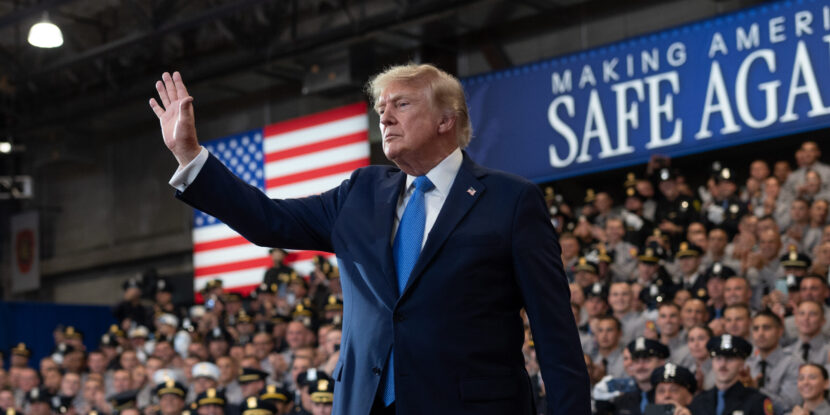
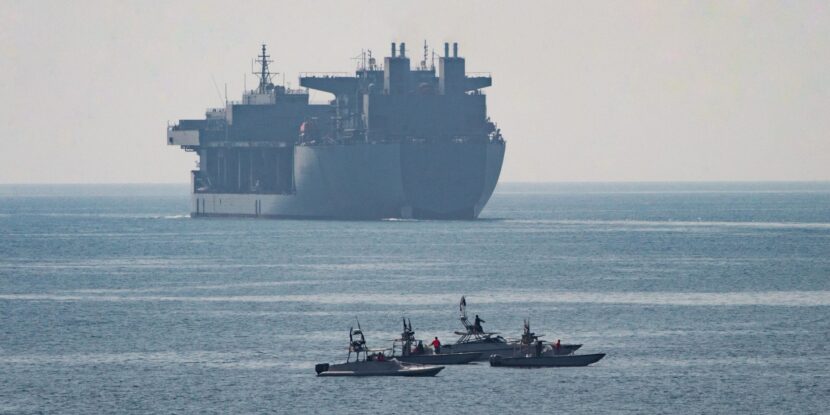
❓ WHAT HAPPENED: Iran stated Monday that no negotiations or meetings with the United States are planned, contradicting President Donald J. Trump, who said over the weekend that talks would begin Monday afternoon and cited them as a reason for canceling planned military strikes. Iranian Foreign Ministry spokesman Esmail Baghaei claimed all negotiators remain in Iran, except Foreign Minister Abbas Araqchi, who is on a religious pilgrimage in Iraq, and added that the only ongoing discussions involve Oman over the management of the Strait of Hormuz. 📺 DETAIL: Publicly, Tehran has consistently rejected negotiations with Washington since a June memorandum aimed at ending the conflict collapsed in early July. The U.S. has yet to achieve its stated objectives of fully dismantling Iran’s nuclear program. Disputes over control of the Strait of Hormuz remain a major sticking point, with Washington arguing Iran had agreed to reopen the vital shipping route, while Tehran insists the agreement preserved its self-proclaimed authority over traffic through the waterway. 🎯 IMPACT: The ongoing conflict in the Middle East has affected global oil prices. Brent crude futures dropped over four percent to $84 per barrel after Trump canceled planned strikes on Iran, but they may rise again following Iran’s statement claiming no negotiations are taking place. 📺 FLASHBACK: In June, a memorandum of understanding between the U.S. and Iran aimed at establishing a ceasefire so a peace settlement could be hammered out collapsed, due to Iranian attacks on commercial shipping in the Strait of Hormuz. Washington has since sought to compel Iran to reopen the strait, a key waterway for global energy and fertilizer shipments, by force. |
Join Pulse+ to comment below, and receive exclusive e-mail analyses.