


The trial of Abu Agila Mohammad Mas’ud Kheir Al-Marimi, accused of building the bomb responsible for the 1988 Lockerbie bombing, is set to begin in January, following decades of investigation and legal delays.
| PULSE POINTS |
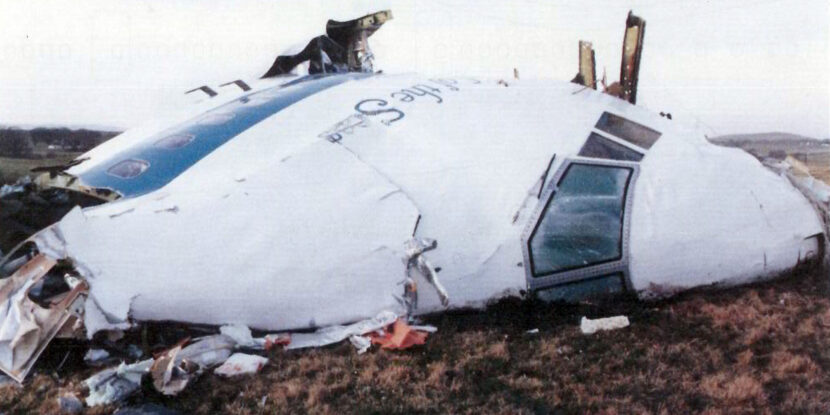
❓ WHAT HAPPENED: The alleged Lockerbie bomber will finally face trial nearly four decades after the attack that killed 270 people, with prosecutors telling a U.S. court that Americans were the intended targets. During a preliminary hearing, Assistant U.S. Attorney Brittany Keil said the plot was designed to “inflict pain and horror that would be reported around the world.” 📺 DETAIL: Abu Agila Mohammad Mas’ud Kheir Al-Marimi, now in his mid-seventies, has pleaded not guilty to two charges of destroying an aircraft resulting in death, offenses carrying a potential life sentence. Prosecutors and defense attorneys told Judge Dabney Friedrich they would be ready to begin proceedings in January, with the trial expected to last about two months and jury selection potentially beginning January 19. Friedrich warned that she would not tolerate further delays after the trial was postponed three times, most recently when jury selection scheduled for August 26 was halted following the discovery of new evidence. The defense said the new material would add about a week to its case and require testimony from four additional expert witnesses, while prosecutors allege Al-Marimi previously admitted involvement in the bombing, a claim his lawyers dispute. Al-Marimi was extradited from Libya to the United States in 2022 and is accused of building the bomb that destroyed Pan Am Flight 103 over Lockerbie, Scotland. 🎯 IMPACT: The long-delayed trial could provide new evidence and testimony about who was responsible for the Lockerbie bombing and the broader Libyan role in the attack. A conviction could also mark a significant development in the decades-long effort to establish accountability for the 270 deaths, while potentially shedding further light on disputed aspects of the case. 📺 FLASHBACK: The bombing of Pan Am Flight 103 occurred on December 21, 1988, when the Boeing 747 exploded at 31,000 feet, just 38 minutes after leaving London Heathrow for New York. All 259 crew and passengers, the youngest just two months old, were killed, along with eleven people, three of them children as young as ten, in the Scottish town of Lockerbie, after the aircraft’s main wing box structure, loaded with roughly 200,000 pounds of aviation fuel, smashed into houses on the ground and exploded. Only one individual, Abdelbaset al-Megrahi, was previously convicted for the attack in 2001, though he was released by the Scottish Government on so-called compassionate grounds in 2009, on the understanding that he was on the verge of death. He was welcomed back to Libya as a national hero and lived for several years, dying in 2012 following a civil war. |
Image via Air Accident Investigation Branch.
Join Pulse+ to comment below, and receive exclusive e-mail analyses.