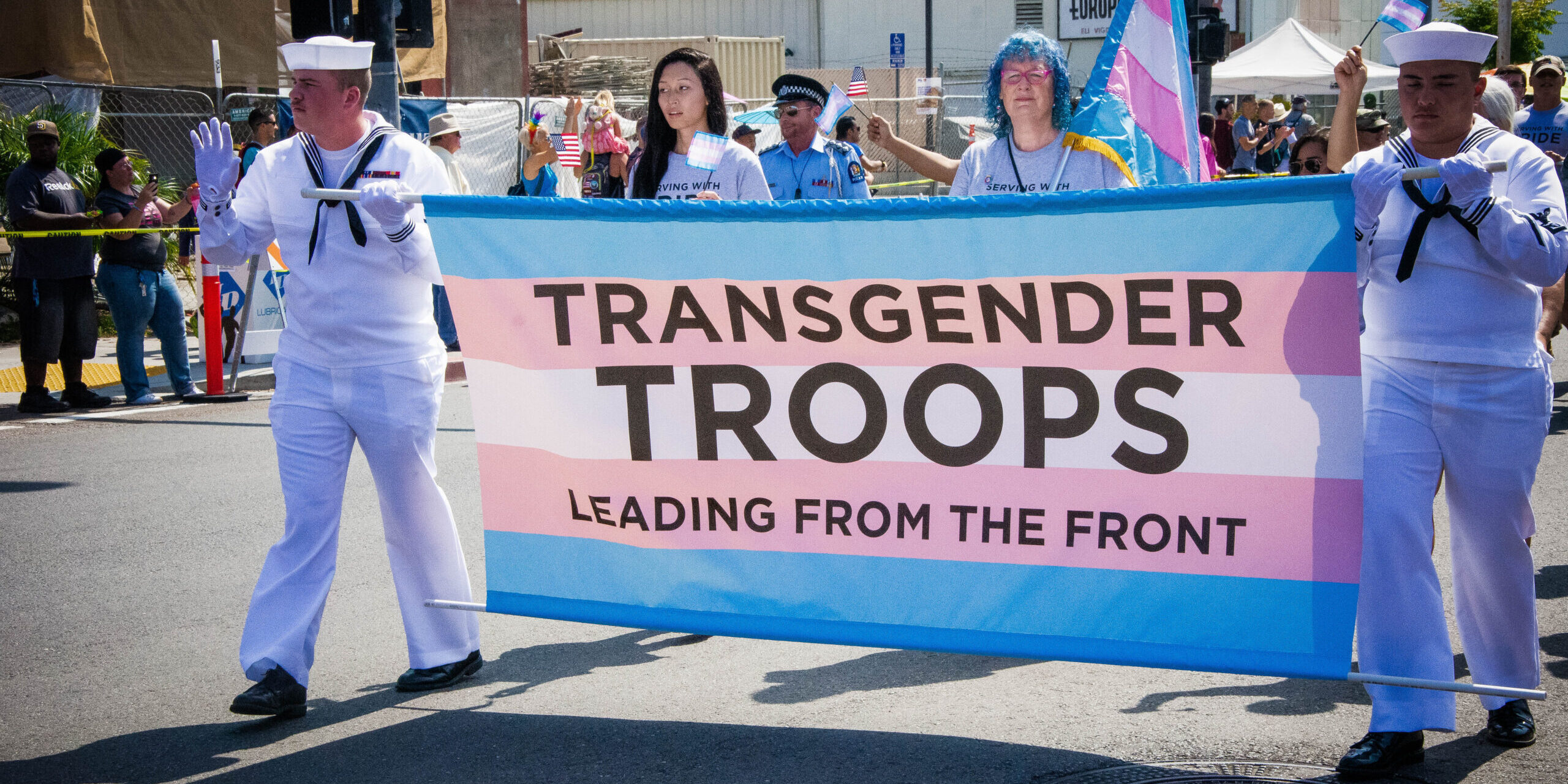
A divided federal appellate panel in Washington, D.C., has temporarily prevented the Department of War from discharging 27 transgender plaintiffs, denying a Trump administration motion to freeze a lower court decision striking down the military’s readiness standards.
The split decision sets up a likely return trip to the U.S. Supreme Court, after justices previously cleared the Pentagon to move forward with enforcing its personnel rules while litigation continued.
Narrow Scope Leaves Recruitment Ban Intact.
In blocking the discharges, the appellate majority claimed that government lawyers fell short of proving that retaining the 27 plaintiffs would undermine national security.
Crucially, the injunction covers only the specific litigants named in the suit, rather than shielding all transgender personnel across the military. Furthermore, the order leaves untouched the Trump administration’s ban on new transgender enlistments, meaning prospective recruits diagnosed with gender dysphoria remain barred from joining.
Trump and Hegseth Readiness Directives.
The legal clash originates from President Donald J. Trump’s January 2025 executive order overhauling military medical and readiness standards. In that directive, Trump stated that adopting a transgender identity “conflicts with a soldier’s commitment to lead an honorable, truthful, and disciplined life, including in private” and is “detrimental to military readiness.”
Following the White House order, War Secretary Pete Hegseth implemented Department of War guidance disqualifying individuals experiencing gender dysphoria, which medical literature links to elevated rates of depression along with suicidal ideation.
In his official policy memoranda implementing the directive, Hegseth argued that identity politics undermine unit cohesion and combat effectiveness. “The department must ensure it is building ‘one force’ without subgroups defined by anything other than ability or mission adherence,” Hegseth wrote. “Efforts to split our troops along lines of identity weaken our force and make us vulnerable. Such efforts must not be tolerated or accommodated.”
Subsequent Department of War guidance reinforced that “the medical, surgical, and mental health constraints on individuals who have a current diagnosis or history of, or exhibit symptoms consistent with, gender dysphoria are incompatible with the high mental and physical standards necessary for military service.”