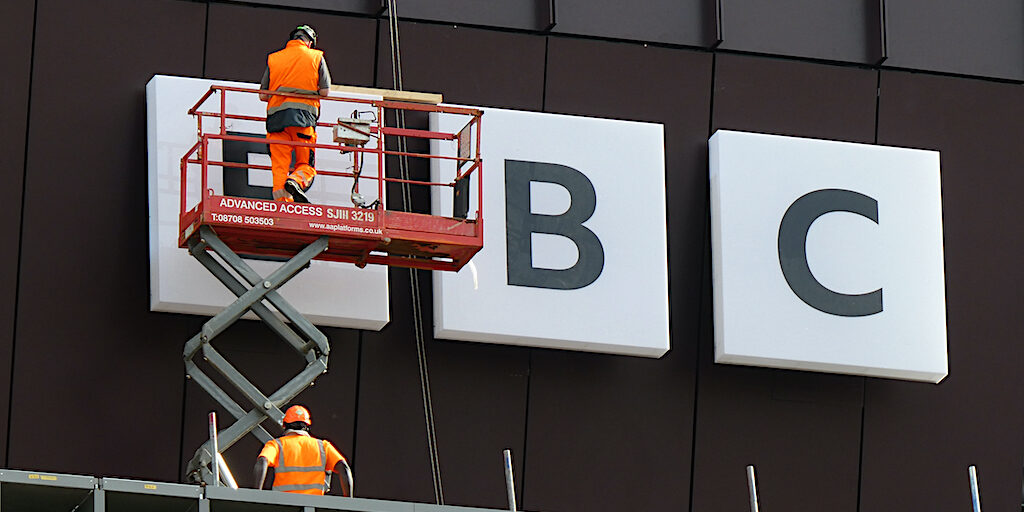
On Thursday, Ofcom said in its ninth annual report on the BBC that the corporation’s news is less accurate, less trusted, and less impartial.
The regulator cited “a number of serious editorial failures at the BBC”, including the Panorama edit of President Trump’s speech and breaches of editorial guidelines relating to Gaza: How to Survive a Warzone. The BBC has recognised those incidents as having “damaged perceptions of trust and impartiality”.
On the BBC’s own data, among all adults, the proportion who think the BBC is “effective at providing news and current affairs that is accurate” fell from 63 per cent in 2021/22 to 56 per cent in 2025/26, trustworthiness from 63 per cent to 55 per cent, and impartiality from 51 per cent to 45 per cent. Ofcom said the BBC “continues to perform strongly” overall in delivering for audiences, and that the declines are “not out of step” with other public service broadcasters.
Television Reach Has Fallen.
Average weekly reach of BBC News on television fell from 50 per cent of those aged 16 and over in 2022 to 39 per cent in 2025, and the BBC remains the UK’s most-used news provider.
The National Pulse has previously reported that the Panorama programme Trump: A Second Chance? aired an edited version of Donald Trump’s 6 January 2021 speech that spliced lines from different parts of the address. The BBC later called it an “error of judgment”. Director-General Tim Davie and News CEO Deborah Turness resigned, and BBC Chairman Samir Shah apologised. Ofcom found the BBC in breach over the Gaza film and directed it to broadcast a summary of its findings. The BBC’s internal review found that the failure to disclose that the 13-year-old narrator’s father was a Hamas deputy agriculture minister was a breach of the Editorial Guidelines on Accuracy.
Shah, in the BBC’s own annual report, said the past year’s challenges ran from the Panorama edit and the Gaza breaches “to the serious broadcasting errors at Glastonbury and the BAFTA Film Awards”. They affect “confidence in our journalism, trust in the BBC as a public institution, and perceptions about how effectively we are held to account.”
Ofcom has “been critical of how the BBC has handled editorial concerns” and said the BBC Board and Executive “must take a firmer, more transparent grip when editorial failures occur.” It warned that if perceptions continue to weaken, this “could create longer-term reputational challenges and affect the BBC’s ability to fulfil its role.”
The BBC has said it must make savings of £500 million by 2028. Ofcom said the proposals include “cuts of up to 2,000 roles”. The first phase, set out in Ofcom’s accompanying Trust in BBC News review, includes “around 550 role reductions”. The process to renew the BBC’s Charter is underway, with the Government’s White Paper on the corporation’s future, including its funding arrangements, expected in the coming months.
Fewer than half of all adults now think the BBC is effective at providing impartial news and current affairs, and Ofcom has named the editorial failures that have already damaged that trust.