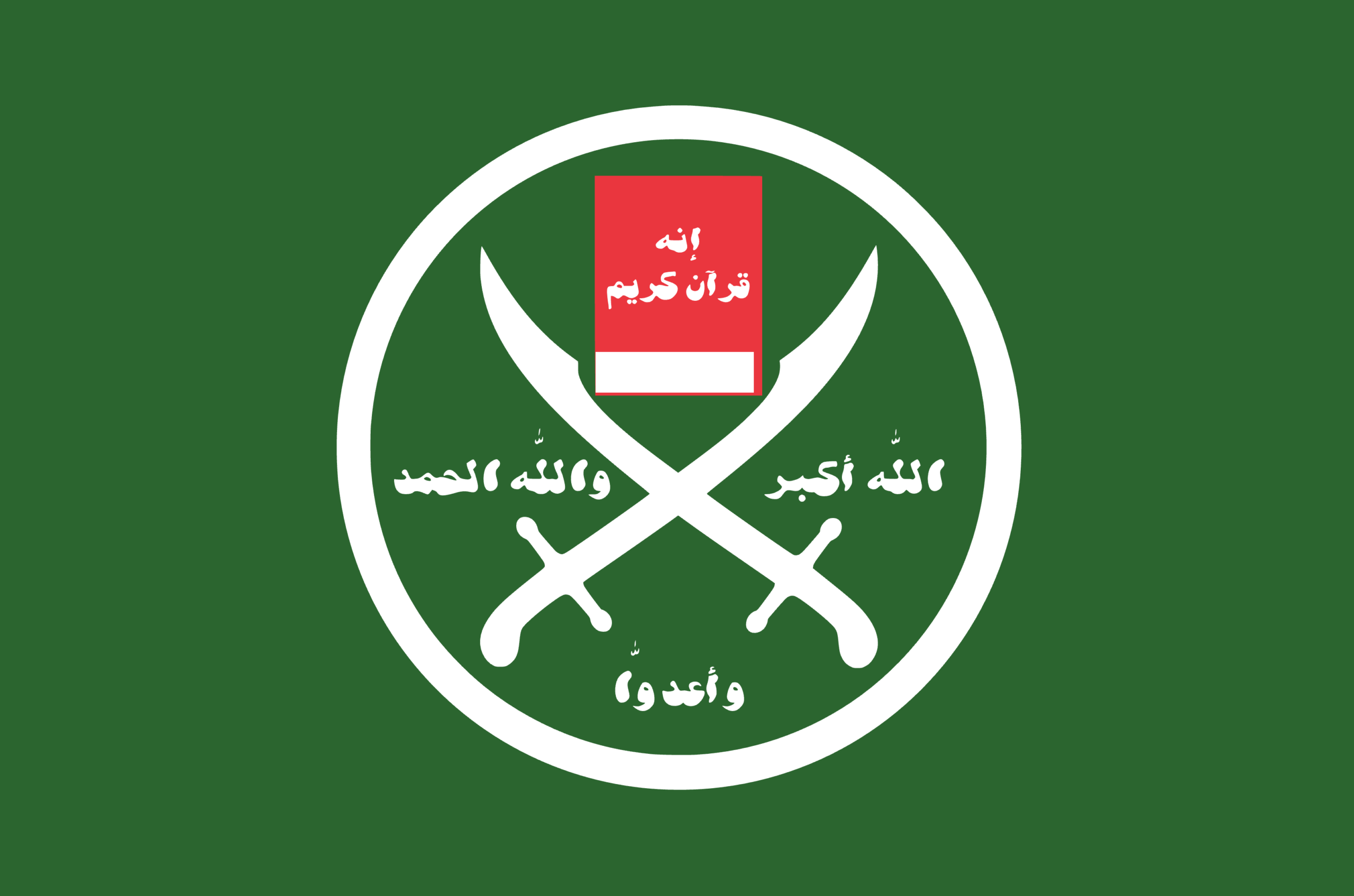
An Egyptian man has won refugee status in Britain thanks to his involvement Muslim Brotherhood protests, in the latest bizarre abuse of Britain’s asylum system and soft-touch approach to Islamist extremism.
Judge N Webb granted asylum to the unnamed man – who has also been granted an “anonymity order” to protect his identity – because the Home Office accepted that the man had joined Brotherhood-linked demonstrations in Britain. The judge found he was at risk of being “identified as a perceived supporter of the MB” if sent back to Egypt, and therefore could have asylum in Britain.
An expert report identified photographs of him “wearing symbols associated with the MB” and “standing just behind prominent regime critics.” The judge found this “points toward the appellant being more than just a bystander at these events.” The more demonstrations a person attends, he said, the more likely it is “they will come to the attention of the Egyptian authorities and be linked to the MB, even where an individual does not take a particular role.”
The group is treated in Egypt as a terrorist organisation, but in Andy Burnham’s Britain, it appears to be a protected trait. Cairo first moved the Muslim Brotherhood after 2013, and this month made that listing permanent. Anyone seen as a supporter can face arrest there, which is precisely why Brotherhood-linked protests can be used to unlock protection in Britain.
Britain is now handing sanctuary to a man who professes to be an Islamist, and attends protests linked to a movement it has still not banned.
A 2015 government review led by Sir John Jenkins, commissioned by David Cameron, then Prime Minister, found that “aspects of Muslim Brotherhood ideology and tactics, in this country and overseas, are contrary to our values and have been contrary to our national interests and our national security.”
Association with the group is treated as a possible indicator of extremism, yet the legal test for a ban has never been used. The United States has designated individual chapters, not the movement as a whole, as the National Pulse has reported.
The decision was reportedly first written up by journalist Tariq Tahir.
Egypt has also separately listed the Muslim Association of Britain, as The National Pulse has previously reported.
The Home Office may still appeal.