




Monday, February 23, 2026

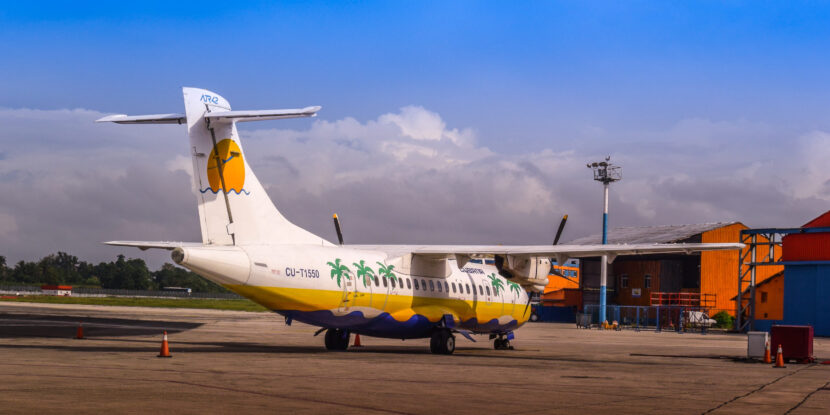
Cuba Can’t Refuel Planes After Losing Maduro Oil Lifeline.

PULSE POINTS

❓WHAT HAPPENED: Cuban aviation officials warned airlines of a fuel shortage on the island, forcing energy rationing and disrupting flights.

👤WHO WAS INVOLVED: Cuban aviation officials, airlines, and U.S. President Donald J. Trump.

📍WHEN & WHERE: The notice was issued on Sunday in Havana, Cuba, and confirmed by a pilot on Monday.

đź’¬KEY QUOTE: “While refueling issues have occurred before, an official announcement of this scale is extraordinary even for an island accustomed to perpetual crisis.” – Anonymous pilot.

🎯IMPACT: Tourism and transportation in Cuba face significant challenges, with long-haul flights disrupted and fuel rationing affecting daily life.

IN FULL

Cuban aviation authorities have warned international airlines that the island may soon be unable to refuel aircraft, as Cuba’s deepening energy crisis spreads to the aviation sector. The notice was issued on Sunday and confirmed on Monday by a commercial pilot who spoke on condition of anonymity. The pilot described the situation as “extraordinary,” even by Cuban standards, noting that shortages have reached a level rarely seen despite the country’s long-running economic difficulties.

The warning comes as Cuba faces severe fuel rationing tied to reduced oil imports. The Trump administration has stepped up economic pressure on Havana, effectively cutting off access to key fuel supplies from allies such as Venezuela, where former Marxist dictator Nicolás Maduro has been ousted, and Mexico. An executive order signed by President Donald J. Trump in January imposed tariffs on goods from countries that provide oil to Cuba, further straining the island’s already fragile energy system.

Some airlines have already been forced to alter operations. Air Canada has suspended flights to Cuba, while other carriers are planning delays or technical stops in nearby countries, including the Dominican Republic, to refuel before continuing to or from Cuban airports. The disruptions threaten Cuba’s tourism sector, one of its most important sources of foreign currency.

The fuel shortage is affecting daily life across the island. Public transportation has been reduced, fuel sales are restricted and often priced in U.S. dollars, and major cultural events such as the Havana International Book Fair have been canceled. In a televised address, President Miguel DĂ­az-Canel warned citizens that additional austerity measures could be introduced as the crisis worsens.

Many Cubans have compared current conditions to the “Special Period” of the 1990s, when the collapse of Soviet support triggered widespread shortages. Now, residents face prolonged power outages, limited mobility, and difficulties obtaining basic goods, with no clear timeline for improvement.

U.S. officials have publicly suggested that Cuba’s prior dependence on Venezuelan oil leaves its communist regime vulnerable. The Trump administration aims to see major political change in Cuba by the end of the year, with the President recently saying the island’s leadership is nearing collapse.

Image via Piviso.com.

Join Pulse+ to comment below, and receive exclusive e-mail analyses.
show less
show more

U.S. Air Force Tanker Narrowly Misses Passenger Jet Near Venezuela.

PULSE POINTS

❓WHAT HAPPENED: A U.S. Air Force refueling tanker failed to communicate its position, narrowly avoiding a collision with a commercial JetBlue flight.

👤WHO WAS INVOLVED: JetBlue Flight 1112, the U.S. Air Force, Curaçao air traffic control, U.S. Southern Command, and Venezuelan authorities.

📍WHEN & WHERE: Friday, approximately 20 minutes after JetBlue Flight 1112 departed from Curaçao, about 40 miles off Venezuela’s coast.

đź’¬KEY QUOTE: “They don’t have their transponder turned on, it’s outrageous. We almost had a midair collision up here.” – JetBlue pilot

🎯IMPACT: Federal authorities have been alerted, and investigations are underway into the U.S. military’s actions in Caribbean airspace.

IN FULL

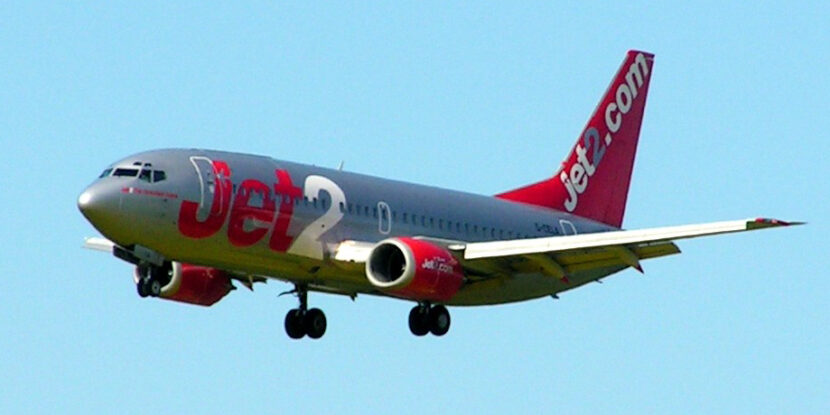
A U.S. Air Force refueling tanker narrowly avoided colliding with a JetBlue passenger jet after the military aircraft failed to properly communicate its position, forcing the commercial pilot to take evasive action shortly after takeoff from Curaçao. JetBlue Flight 1112 was en route to New York when the encounter occurred roughly 20 minutes into the flight. The JetBlue pilot immediately reported the incident to air traffic control, expressing alarm over the tanker’s apparent lack of visibility on radar. “They don’t have their transponder turned on, it’s outrageous. We almost had a midair collision up here,” the pilot said.

Air traffic controllers confirmed they were unable to see the tanker on their radar systems and noted that similar issues involving unidentified military aircraft had recently been reported in the area. Curaçao air traffic control subsequently warned other pilots operating in the region about the aircraft.

U.S. Southern Command acknowledged the reports and said it is reviewing what happened. “Safety remains a top priority, and we are working through the appropriate channels to assess the facts surrounding the situation,” Colonel Manny Ortiz said.

JetBlue confirmed that it has reported the incident to federal authorities and said it will cooperate fully with any investigation.

The near miss occurred amid increased U.S. military activity in the Caribbean, linked to efforts targeting drug traffickers and possibly Venezuela‘s Marxist dictator, Nicolás Maduro. Recent operations have included the seizure of a stateless oil tanker, which Maduro described as an “act of piracy.” U.S. military operations in the region have also included strikes on drug-smuggling vessels, which have reportedly resulted in more than 80 deaths.

The incident adds to a growing list of recent aviation safety concerns involving both military and commercial aircraft. Earlier this year, an Army Black Hawk helicopter collided with a passenger jet near Reagan National Airport in Washington, D.C., killing 67 people. Investigators later determined that the helicopter pilot ignored critical flight instructions in the moments before the crash.

Join Pulse+ to comment below, and receive exclusive e-mail analyses.
show less
show more

TSA Implements Fee for Travelers Without Real ID.

PULSE POINTS

❓WHAT HAPPENED: The Transportation Security Administration (TSA) announced a $45 fee for travelers without Real IDs starting February 1, 2026, requiring them to use a new verification system called TSA Confirm.ID.

👤WHO WAS INVOLVED: The TSA, air travelers, and private vendors facilitating the Confirm.ID process.

📍WHEN & WHERE: The new fee begins February 1, 2026, at U.S. airports nationwide.

🎯IMPACT: Passengers without Real IDs may face longer wait times and must pay the fee if they opt to use the Confirm.ID process to verify their identity.

IN FULL

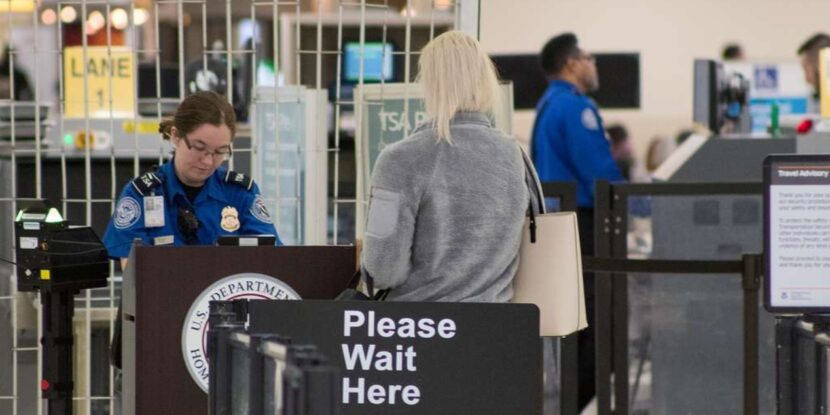
The Transportation Security Administration (TSA) has announced plans to charge U.S. air travelers who do not possess a Real ID, passport, or other form of approved identification a $45 fee beginning on February 1, 2026. While travelers who lack a Real ID or passport can still fly, they will be required to use the agency’s Confirm.ID system for identity verification, the cost of which will be covered by the fee.

According to TSA Chief of Staff Adam Stahl, the fee is intended as a mechanism to ensure that air travelers, and not U.S. taxpayers at large, provide the funding for Confirm.ID verification. After paying the $45 fee and undergoing verification, a passenger’s identity will be confirmed for a period of 10 days.

Implemented as a TSA travel requirement in May of 2025, Real ID is a federally compliant state driver’s license, learner’s permit, or non-driver ID card that displays a black or gold star in the upper right corner. Passengers without these IDs will be directed to the Confirm.ID process during check-in at TSA security checkpoints. This process involves answering a series of questions to verify identity, after which a receipt is issued to present to screening agents.

Air travelers who possess a Real ID, U.S. passport, Department of Homeland Security (DHS) Trusted Traveler card, or Enhanced Driver’s License, U.S. Department of War ID, permanent resident card, or border crossing card will not need to pay the fee. Notably, the TSA warns that passengers without federally compliant IDs will likely face increased wait times at airports while their identity is confirmed.

Currently, the TSA estimates over 94 percent of passengers at U.S. airports use a Real ID or other forms of acceptable identification.

Image by Michael Ball.

Join Pulse+ to comment below, and receive exclusive e-mail analyses.
show less
show more

Blizzards, Wind, Rain, and Winter Storms Set to Cause Travel Chaos for Thanksgiving.

PULSE POINTS

❓WHAT HAPPENED: Severe winter weather and strong winds are sweeping across the U.S., affecting Thanksgiving travel plans for millions.

👤WHO WAS INVOLVED: Millions of travelers, American Airlines, and other airlines preparing for record travel numbers.

📍WHEN & WHERE: Wednesday through Saturday, across the Upper Midwest, Great Lakes region, Appalachians, and other areas of the U.S.

đź’¬KEY QUOTE: “Weather’s coming. Execute the plan. Get customers back on track.” – Mark Ewing, American Airlines Customer Service Director

🎯IMPACT: Travel disruptions, flight delays, and hazardous road conditions are affecting millions during one of the busiest travel periods of the year.

IN FULL

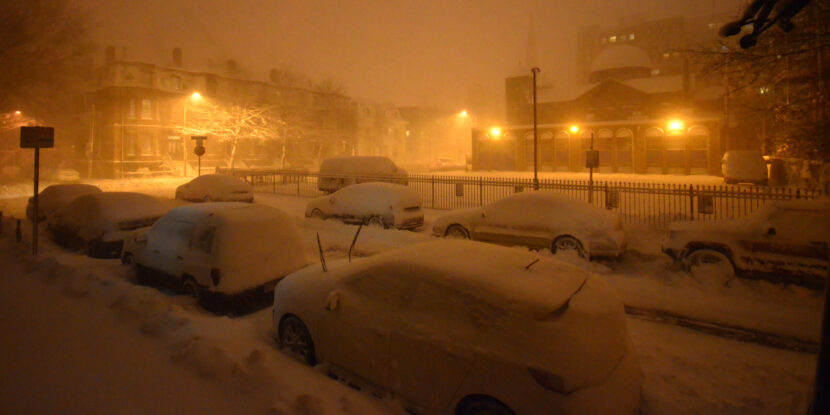
Freezing temperatures and winter weather, along with strong winds, are expected to impact large parts of the U.S. as an estimated one-in-five Americans travel for Thanksgiving. The Upper Midwest could see up to two feet of snow, while 52 million people are under wind alerts stretching from the Plains to the Great Lakes and into the Appalachians. Wind gusts could reach up to 60 mph in affected areas, including major cities like Chicago and Detroit.

Blizzard warnings are in effect for parts of northern Wisconsin and Michigan‘s Upper Peninsula. In areas east of Lakes Erie and Ontario, lake-effect snow warnings are in place, with snowfall rates of up to 2 inches per hour and wind gusts above 30 mph making travel nearly impossible. Up to 3 feet of snow is possible in northern Wisconsin and Michigan, while areas downwind of lakes Erie and Ontario could see up to 20 inches of snow.

The Pacific Northwest is also experiencing wet and snowy weather, while showers and storms are affecting cities along the Interstate 95 corridor. In New York City, wind gusts of up to 35 mph could cause balloons in the Macy’s Thanksgiving Parade to fly lower than usual. Early travel disruptions include semi-trucks rolling off roads in Minnesota and icy conditions causing vehicles to slide in North Dakota.

Flight delays are also climbing, with over 630 flights within the U.S. delayed as of early Wednesday, according to FlightAware. Tuesday saw significant disruptions, including an air traffic control tower evacuation in Atlanta due to tornado concerns. American Airlines, which has been preparing for months, expects Wednesday to be its busiest travel day, with 81,000 flights scheduled over the Thanksgiving weekend. “Weather’s coming. Execute the plan. Get customers back on track,” said Mark Ewing, the airline’s customer service director.

Image by Sayamindu Dasgupta.

Join Pulse+ to comment below, and receive exclusive e-mail analyses.

show less
show more

Trump Admin Issues Update on Shutdown Flight Disruption Ahead of Thanksgiving.

PULSE POINTS

❓WHAT HAPPENED: Flight traffic has returned to normal following the end of the government shutdown, according to U.S. Transport Secretary Sean Duffy.

👤WHO WAS INVOLVED: U.S. Transport Secretary Sean Duffy, air traffic controllers, Federal Aviation Administration (FAA) Administrator Bryan Bedford, and President Donald J. Trump.

📍WHEN & WHERE: The FAA lifted its emergency order at 6 AM ET on Monday, with normal operations resuming nationwide.

đź’¬KEY QUOTE: “Air traffic controllers who didn’t miss a single day during the shutdown deserve a bonus! We are working on it RIGHT NOW!” – Sean Duffy

🎯IMPACT: The return to normal operations comes ahead of the Thanksgiving holiday, a critical travel period for millions of Americans.

IN FULL

U.S. Transportation Secretary Sean Duffy has stated that “flight traffic is back to normal as controllers return to towers” during the first Monday morning after the government shutdown concluded. Airports had cautioned that it might require several days to fully restore operations, following the cancellation or delay of thousands of flights by the Federal Aviation Administration (FAA) over safety issues stemming from inadequate staffing. With Thanksgiving—a peak travel period—set for November 27, getting back on track is essential for countless Americans.

Throughout the shutdown, numerous air traffic controllers remained at home without pay, although others kept working. President Donald J. Trump commented on the matter, noting that those controllers who stayed on the job would qualify for a $10,000 bonus. Secretary Duffy echoed this in an X post, declaring, “Air traffic controllers who didn’t miss a single day during the shutdown deserve a bonus! We are working on it RIGHT NOW!”

The FAA formally ended its emergency flight-reduction directive at 6 AM ET on Monday. FAA Administrator Bryan Bedford remarked, “The decision to rescind the order reflects the steady decline in staffing concerns across the NAS and allows us to return to normal operations.” He also thanked FAA personnel, saying, “I am grateful for the hard work of the FAA safety and operations teams and for their focus on the safety of the traveling public.”

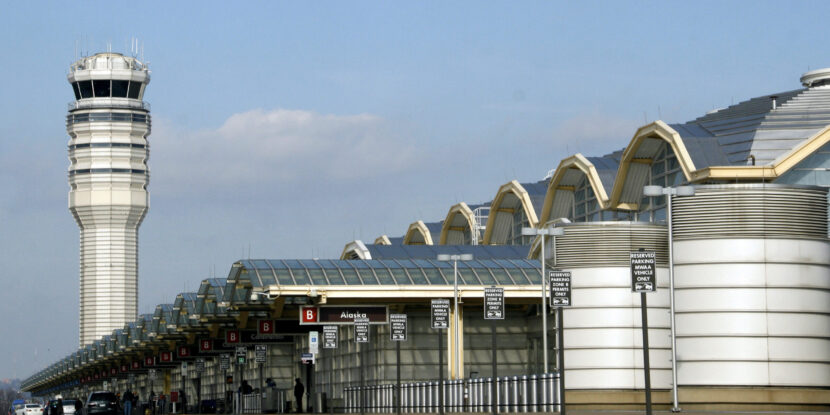
Image by Joe Ravi.

Join Pulse+ to comment below, and receive exclusive e-mail analyses.
show less
show more

Nationwide Airport Shutdown to Paralyze Travel for Hours.

PULSE POINTS

❓WHAT HAPPENED: Travel chaos erupted across the U.S. as staffing shortages caused by the ongoing Democrat-caused government shutdown led to significant flight delays.

👤WHO WAS INVOLVED: The Federal Aviation Administration (FAA), U.S. Transportation Secretary Sean Duffy, air traffic controllers, and Transportation Security Administration (TSA) agents.

📍WHEN & WHERE: Wednesday, November 5, 2025, affecting airports nationwide, including Newark, JFK, LAX, and others.

đź’¬KEY QUOTE: “Unless a deal to end the federal government shutdown is reached, a 10 percent reduction in scheduled air traffic at 40 major airports will begin Friday.” – Sean Duffy

🎯IMPACT: Delays of up to seven hours at major airports, with average wait times around two hours and 20 minutes, affecting both arrivals and departures.

IN FULL

Travel disruptions across the United States intensified on November 5 as the Democrat-caused federal government shutdown worsened staffing shortages at the Federal Aviation Administration (FAA). The agency reported delays at 17 major airports, with wait times potentially reaching seven hours.

Airports affected include Newark Liberty International (EWR), John F. Kennedy (JFK), LaGuardia (LGA), Los Angeles (LAX), Atlanta (ATL), Chicago O’Hare (ORD), Miami (MIA), Dallas/Fort Worth (DFW), Washington-area airports (DCA, IAD, BWI), and hubs in San Francisco (SFO), Boston (BOS), Seattle (SEA), Denver (DEN), Orlando (MCO), and Salt Lake City (SLC).

To manage the backlog, the FAA has implemented an airspace flow program, spacing out flights across U.S. airspace from the ground to 60,000 feet. Both arrivals and departures are affected, with average delays estimated at 2 hours and 20 minutes. Newark has experienced some of the longest delays, while Phoenix Sky Harbor International Airport has reported average delays exceeding three hours.

Transportation Secretary Sean Duffy warned that, if the Democrat shutdown continues, there could be a 10 percent reduction in scheduled air traffic at 40 major airports starting Friday. “Unless a deal to end the federal government shutdown is reached, a 10 percent reduction in scheduled air traffic at 40 major airports will begin Friday,” he said.

The shutdown, now in its 36th day, is the longest in U.S. history. Approximately 13,000 air traffic controllers and 50,000 Transportation Security Administration (TSA) agents are working without pay, placing additional strain on an already understaffed system. On Monday, about 2,800 flights were delayed and more than 100 were canceled, as some essential workers struggled to report to work amid financial pressure.

The aviation industry, including major carriers like Delta Air Lines, has urged Congress to pass a “clean continuing resolution” (CR) to reopen the government. Republicans have tried this multiple times, but the Democratic minority in the U.S. Senate has blocked every attempt.

Delta executives warned that ongoing delays and cancellations threaten safety and could disrupt air travel nationwide. Meanwhile, some Senate Democrats have suggested federal workers are willing to continue working without pay to oppose elements of the Trump agenda. Senator Chris Van Hollen (D-MD) remarked, “I think they all would like to see the shutdown end, but they also don’t like giving Donald Trump a blank check.”

As the shutdown drags on, officials continue to monitor staffing levels and adjust flight schedules. Travelers are advised to expect extended wait times at security checkpoints and potential flight cancellations. With air traffic controllers and TSA agents stretched thin, the coming days could see further disruptions at major airports if the government remains closed.

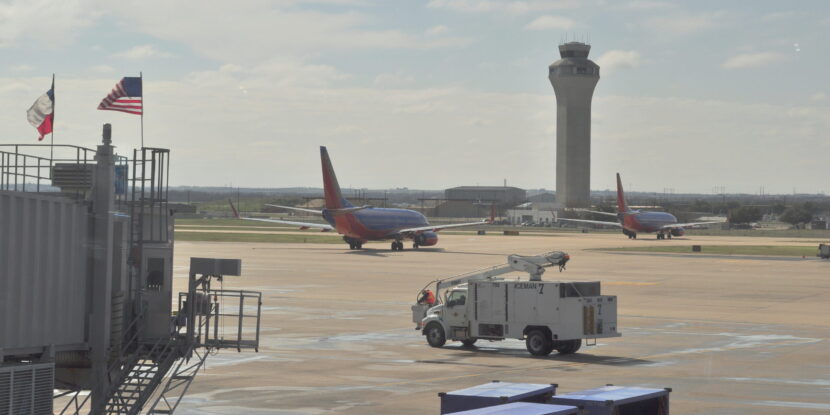
Image by dbking.

Join Pulse+ to comment below, and receive exclusive e-mail analyses.
show less
show more

Democrats’ Govt Shutdown Air Travel Chaos Continues.

PULSE POINTS

âť“WHAT HAPPENED: Thousands of flights across the United States have been delayed or canceled due to severe weather and staffing shortages caused by the ongoing Senate Democrats’ government shutdown.

👤WHO WAS INVOLVED: The Federal Aviation Administration (FAA), air traffic controllers, airlines, and passengers.

📍WHEN & WHERE: Delays and cancellations began escalating in October 2025, impacting major U.S. airports like Orlando, Dallas/Fort Worth, and Washington, D.C., with ripple effects across the East Coast and California.

🎯IMPACT: Passengers have faced significant disruptions, with cascading delays and grounded flights affecting travel plans nationwide and internationally.

IN FULL

The Senate Democrats’ government shutdown unleashed further travel chaos on Friday, with airports across the United States experiencing widespread delays and cancellations. As of 9 AM ET, FlightAware reported 787 delayed flights and 242 cancellations—likely setting off additional disruptions throughout the day.

On Thursday, the Federal Aviation Administration (FAA) reported that 7,250 flights were delayed and 1,249 were canceled nationwide. Airports in Orlando, Dallas/Fort Worth, and Washington, D.C. were particularly impacted by shortages of air traffic controllers, many of whom have been working without pay since the shutdown began on October 1.

The FAA’s Command Center has indicated that weather also remains a significant factor, with storms moving across the Northeast and expected to linger into Friday. Delays at Ronald Reagan Washington National Airport reached up to 30 minutes, while Newark International Airport reported 15-minute departure delays. Ground stop and delay programs are anticipated at several East Coast and California airports.

In Canada, similar issues have arisen, with tower closures at Kelowna and Winnipeg airports due to staffing shortages. Tim Perry, President of the Canadian branch of the Air Line Pilots Association, stated, “This lack of stability in Canada’s aviation sector must be addressed.”

The disruptions have left thousands of passengers stranded, particularly in Orlando, where the FAA announced that no certified controllers would be available for a period of time, preventing landings at Orlando Airport. The ripple effects of these delays and cancellations are expected to continue throughout the day.

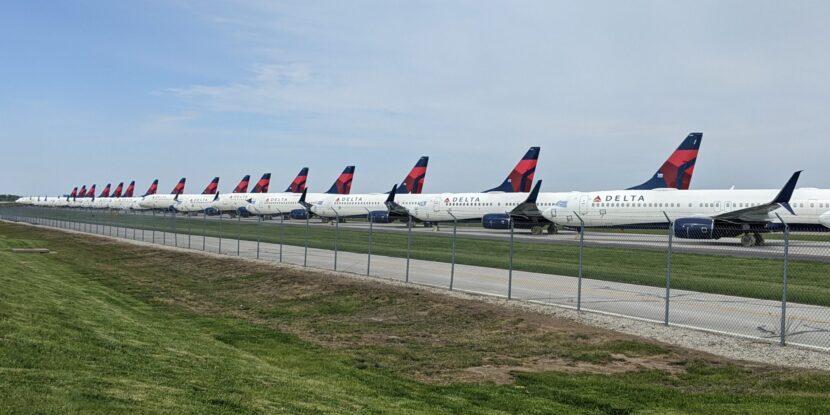
Image by Joe Mabel.

Join Pulse+ to comment below, and receive exclusive e-mail analyses.
show less
show more

Delta Urges Democrats to End Shutdown as Flight Delays, Cancellations Mount.

PULSE POINTS

âť“WHAT HAPPENED: Delta Air Lines has urged Congress to pass a clean continuing resolution to end the Senate Democrats’ government shutdown and ensure air traffic controllers are paid.

👤WHO WAS INVOLVED: Delta Air Lines and the National Air Traffic Controllers Association.

📍WHEN & WHERE: The government shutdown began on October 1, 2025; discussions and appeals continue as of late October.

đź’¬KEY QUOTE: “Missed paychecks only increases the stress on these essential workers, many of whom are already working mandatory overtime to keep our skies safe and secure,” Delta said in a statement.

🎯IMPACT: The shutdown is contributing to financial uncertainty for air traffic controllers and TSA officers, while posing risks to the National Airspace System.

IN FULL

Delta Air Lines has called on Congress to “immediately pass a clean continuing resolution” to end the ongoing Democrat-initiated government shutdown and ensure air traffic controllers are paid. The airline’s statement comes as the shutdown enters its fourth week, leaving essential workers without paychecks.

“Missed paychecks only increases the stress on these essential workers, many of whom are already working mandatory overtime to keep our skies safe and secure,” Delta said on Thursday. Delta CEO Ed Bastian previously warned that a prolonged shutdown could negatively affect the airline’s operations.

Nick Daniels, president of the National Air Traffic Controllers Association, highlighted the risks posed by the shutdown, citing a staffing shortage of 3,800 controllers below the FAA’s target. “Every day the shutdown continues, the National Airspace System becomes less safe than it was the day before,” Daniels wrote earlier this week.

Air traffic controllers and TSA officers, deemed essential employees, are required to work during the shutdown without receiving regular paychecks. However, absences among essential employees often spike during shutdowns.

The National Pulse reported on Monday that approximately 2,800 flights were delayed, and 109 flights were canceled across the United States due to air traffic controller shortages stemming from the shutdown. Meanwhile, the Congressional Budget Office (CBO) estimates that a four-week shutdown could cost the economy $7 billion, with even greater losses projected if the impasse continues.

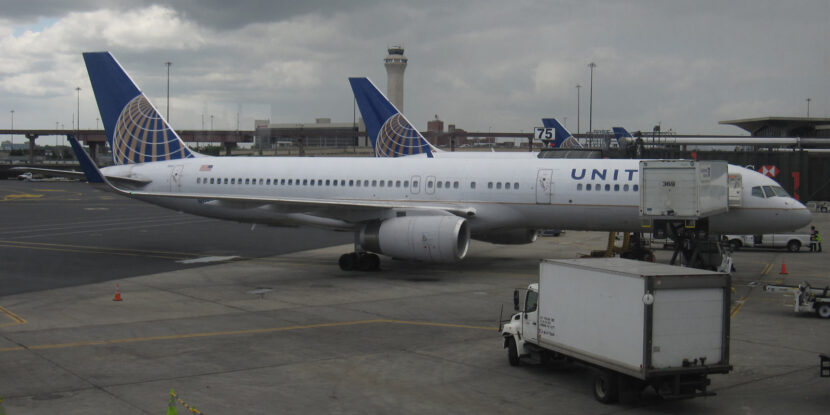
Image by elisfkc2.

Join Pulse+ to comment below, and receive exclusive e-mail analyses.
show less
show more

Ground Stop at Newark Airport as Shutdown Causes Air Traffic Control Staffing Crisis.

PULSE POINTS

❓WHAT HAPPENED: Staffing shortages at Federal Aviation Administration (FAA) air traffic control centers led to a temporary ground stop at Newark Liberty International Airport.

👤WHO WAS INVOLVED: Federal Aviation Administration (FAA), air passengers, and Transportation Secretary Sean Duffy.

📍WHEN & WHERE: Wednesday afternoon, Newark Liberty International Airport, with potential impacts at other major airports.

đź’¬KEY QUOTE: “We have more people calling in sick, more people not showing up for work,” said Transportation Secretary Sean Duffy.

🎯IMPACT: Over 2,700 flight delays were reported by 4 PM EDT, contributing to a week of significant travel disruptions.

IN FULL

On Wednesday, staffing shortages at Federal Aviation Administration (FAA) air traffic control centers led to a temporary ground stop at Newark Liberty International Airport. The FAA issued an advisory at 3:30 PM EDT highlighting staffing triggers at three control facilities, including the Philadelphia TRACON Area C, the New York ARTCC Area D, and the Indianapolis ARTCC Area 5.

Transportation Secretary Sean Duffy addressed the situation, stating that the increasing number of staffing triggers is a “sign that the controllers are wearing thin” amid the Senate Democrats’ government shutdown. He noted a rise in absences, with more personnel calling in sick or not showing up for work. Saturday marked the highest number of staffing triggers since the shutdown began, with 22 air traffic control facilities affected.

The ground stop at Newark was issued shortly after 3 PM EDT, with potential ground stops or delays flagged for New York’s John F. Kennedy Airport after 4 PM EDT, and at Dallas and Washington’s Reagan National until 10 PM EDT. As of 4 PM EDT, FlightAware reported over 2,700 flight delays, adding to the 21,000 flights delayed earlier in the week.

The current staffing issues are reminiscent of the 35-day shutdown of 2018-2019, where missing the first paycheck led to increased absences among air traffic controllers. This week, controllers received their first “zero paychecks,” exacerbating the situation as some seek temporary second jobs. Congressional Republicans have tried to pass funding bills multiple times, but the Senate Democrats have consistently blocked them.

Image by InSapphoWeTrust.

Join Pulse+ to comment below, and receive exclusive e-mail analyses.
show less
show more

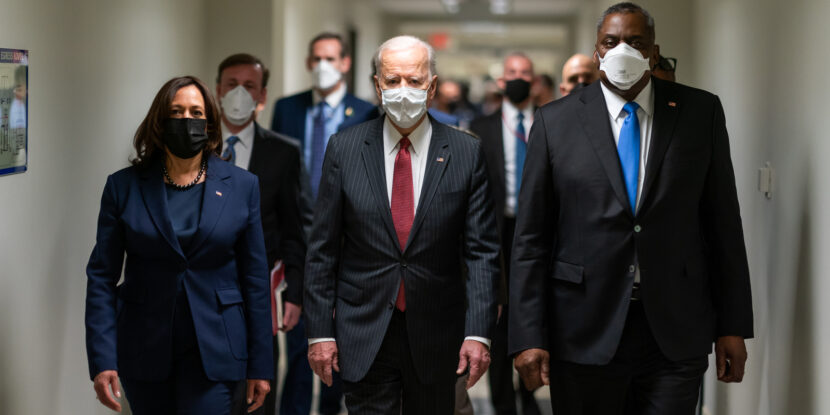
TSA Confirms Biden Placed Mask Mandate Opponents, J6 Protesters on No-Fly List.

PULSE POINTS

❓WHAT HAPPENED: The former Biden regime placed some Americans who resisted the COVID-19 mask mandate or were allegedly involved in the January 6, 2021, protests in Washington, D.C., on prolonged Transportation Security Administration (TSA) watchlists, including no-fly lists typically reserved for suspected terrorists.

👤WHO WAS INVOLVED: The TSA, Biden regime officials, the Department of Homeland Security (DHS), Homeland Security Secretary Kristi Noem, and people allegedly connected to mask mandate resistance or Capitol protests.

📍WHEN & WHERE: The initiative, “Operation Freedom to Breathe,” began in September 2021 and involved nationwide TSA watchlists, including no-fly lists.

đź’¬KEY QUOTE: “Biden’s TSA Administrator [David] Pekoske and his cronies abused their authority and weaponized the federal government against the very people they were charged with protecting.” – Kristi Noem

🎯IMPACT: Sources at TSA say this is the most expansive use of no-fly lists targeting U.S. citizens in history, raising alarms about government overreach and political targeting.

IN FULL

Internal documents reveal that the Transportation Security Administration (TSA) and the Department of Homeland Security (DHS) placed Americans who resisted COVID-19 mask mandates or were allegedly involved in the January 6, 2021, Capitol protests on federal watchlists, including the no-fly list typically reserved for suspected terrorists.

The former Biden regime launched the ironically named “Operation Freedom to Breathe” in September 2021, targeting 19 people for defying federal mask requirements. More than half were placed on the no-fly list and barred from commercial air travel, despite not being charged with any crime.

Some remained on the list until the national mask mandate ended in April 2022. Internal concerns were raised by TSA intelligence officials and the agency’s Chief Privacy Officer, who warned that the actions appeared unrelated to transportation security and instead punished political expression. Emails revealed that TSA relied on academic databases and social media profiles, rather than intelligence from agencies like the Federal Bureau of Investigation (FBI), to make listing decisions. Inaccurate information led to mistakes, including the wrongful inclusion of a National Guardsman and an air marshal’s wife.

Homeland Security Secretary Kristi Noem strongly criticized the Biden regime’s actions. “Biden’s TSA Administrator [David] Pekoske and his cronies abused their authority and weaponized the federal government against the very people they were charged with protecting,” she said. “President Trump promised to end the weaponization of government against the American people, and we are making good on that promise.”

Noem added that the case would be referred to the Department of Justice and Congress for investigation.

Around 280 people with alleged ties to the Capitol protests were also placed on TSA watchlists, with at least five added to the no-fly list. TSA sources reportedly described the operation as the most expansive use of federal travel restrictions against U.S. citizens in the agency’s history.

Separately, Director of National Intelligence (DNI) Tulsi Gabbard has claimed she was placed on the TSA’s “Quiet Skies” watchlist, a surveillance program originally meant to track individuals deemed to pose elevated aviation risks. Gabbard believes the listing was political retaliation after she criticized former Vice President Kamala Harris.

In 2021, some Democrats also pushed legislation to restrict unvaccinated individuals from flying. Rep. Ritchie Torres (D-NY) introduced a bill requiring all domestic flight passengers to be fully vaccinated.

Join Pulse+ to comment below, and receive exclusive e-mail analyses.

show less
show more