




Monday, February 23, 2026

RFK’s HHS Will Use AI Tool to Detect Vaccine Injury Patterns.

PULSE POINTS

WHAT HAPPENED: The Department of Health and Human Services (HHS) is developing an artificial intelligence (AI) tool to analyze vaccine monitoring data and uncover potential adverse effects.

👤WHO WAS INVOLVED: HHS Secretary Robert F. Kennedy Jr., vaccine researchers, and AI experts.

📍WHEN & WHERE: The AI tool has been under development since late 2023. The work is part of HHS operations in the United States.

🎯IMPACT: The development of this AI tool could highlight relations between reported vaccine injuries and cases of autism and other health issues.

IN FULL

The U.S. Department of Health and Human Services (HHS) is developing a generative artificial intelligence (AI) tool intended to analyze vaccine safety data, identify patterns, and generate hypotheses about potential adverse effects, according to the department’s AI inventory report for 2025. The project has been in development since late 2023 and reflects a broader push within HHS to modernize public health surveillance.

The initiative has drawn attention in part because it is moving forward under HHS Secretary Robert F. Kennedy Jr., who has long argued that vaccine safety monitoring should be expanded and made more transparent. Kennedy has pushed for changes to the childhood vaccination schedule, removing several vaccines, including those for COVID-19, influenza, and hepatitis A and B, from the recommended list, and has called for reforms to both the Vaccine Adverse Event Reporting System (VAERS) and the federal Vaccine Injury Compensation Program. Supporters say these moves reflect an effort to restore public trust by more closely scrutinizing vaccine risks alongside benefits. VAERS, established in 1990, allows healthcare providers and members of the public to submit reports of health problems that occur after vaccination.

The debate around the AI tool intersects with Kennedy’s broader campaigns questioning aspects of establishment vaccine science, including his repeated calls for renewed investigation into autism and vaccines. Kennedy has argued that the issue has not been fully or transparently examined and has cited animal studies and other research as justification for continued scrutiny.

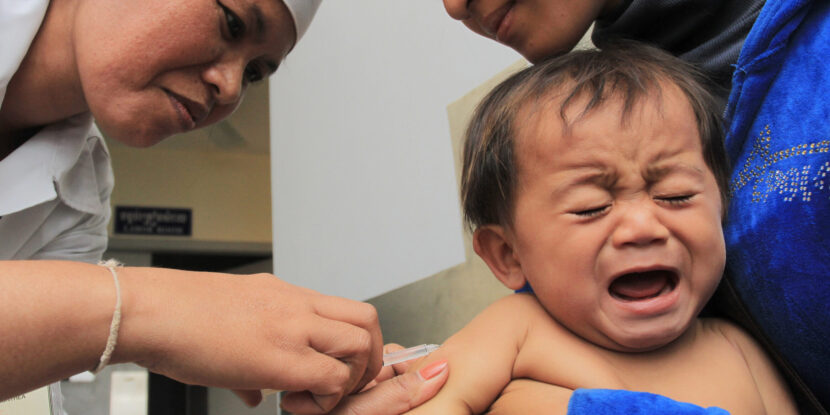
Image by Chhor Sokunthea / World Bank.

Join Pulse+ to comment below, and receive exclusive e-mail analyses.

show less
show more

Barbie Launches Doll with ‘Flappy Hands’ and Off Center Gaze for Autists.

PULSE POINTS

WHAT HAPPENED: Mattel has introduced the first Barbie doll with autism as part of a diversity campaign.

👤WHO WAS INVOLVED: Mattel, the Autistic Self Advocacy Network, and autism charities.

📍WHEN & WHERE: January 12, 2026, internationally.

💬KEY QUOTE: “Seeing more depictions of autism is key to understanding and autism acceptance.” – Peter Watt, National Autistic Society

🎯IMPACT: The doll is intended to raise awareness and foster acceptance of autism among children.

IN FULL

Mattel has introduced an autistic Barbie doll as part of an ongoing push to make its toyline more “diverse.” The doll incorporates specific features like eyes that gaze slightly off to the side and more articulated joints in the elbows and wrists to help depict certain common autistic traits, such as the avoidance of direct eye contact and “hand flapping.” It also includes accessories, including noise-cancelling headphones and a fidget spinner, which some autistic children use to cope with sensory overload and hyperactivity.

“As the most diverse doll line on the market, Barbie plays an important role in a child’s early experiences, and we are dedicated to doing our part to counter social stigma through play,” said Lisa McKnight, Mattel’s executive vice president for Barbie and Dolls.

The autistic Barbie’s creation involved collaboration with the Autistic Self Advocacy Network, and is supported by multiple autism organizations. Britain’s National Autistic Society was among those to commend the doll, with managing director Peter Watt saying, “Seeing more depictions of autism is key to understanding and autism acceptance.”

The autistic Barbie follows earlier dolls in the line that have represented conditions including blindness, Down’s syndrome, and Type 1 diabetes. Mattel has also launched a range of Barbies aimed at increasing black representation, including a Rosa Parks Barbie and an Ida B. Wells Barbie.

Join Pulse+ to comment below, and receive exclusive e-mail analyses.

show less
show more

It’s ‘Just a Lie’ That Vaccine-Autism Link Has Been Disproven: RFK Jr.

PULSE POINTS

WHAT HAPPENED: Health and Human Services (HHS) Secretary Robert F. Kennedy Jr. confirmed that he directed the U.S. Centers for Disease Control and Prevention (CDC) to update its website to reverse the agency’s prior position on childhood vaccines and autism.

👤WHO WAS INVOLVED: Robert F. Kennedy Jr., the CDC, and Senator Bill Cassidy (R-La.).

📍WHEN & WHERE: The update was implemented this week and confirmed in an interview published on Friday.

💬KEY QUOTE: “The whole thing about ‘vaccines have been tested and there’s been this determination made’ is just a lie.” – Robert F. Kennedy Jr.

🎯IMPACT: The CDC website now acknowledges that the claim “vaccines do not cause autism” is not evidence-based and that studies investigating a link have been overlooked.

IN FULL

Health and Human Services (HHS) Secretary Robert F. Kennedy Jr. has acknowledged that he directly ordered the Centers for Disease Control and Prevention (CDC) to alter its long-standing language on vaccines and autism, to acknowledge that a possible link between the two has not been ruled out.

In an interview published Friday, Kennedy said, “The whole thing about ‘vaccines have been tested and there’s been this determination made’ is just a lie. The phrase ‘Vaccines do not cause autism’ is not supported by science.”

Following his directive, the CDC revised its “Vaccines and Autism” webpage. The updated text now states that “The claim ‘vaccines do not cause autism’ is not an evidence-based claim because studies have not ruled out the possibility that infant vaccines cause autism.” The page also notes that “Studies supporting a link have been ignored by health authorities” and adds that the Department of Health and Human Services (HHS) has begun a wide-ranging review of autism’s causes, including examinations of possible biological mechanisms and potential vaccine-related links.

Although the content has changed substantially, the headline “Vaccines do not cause autism” still appears on the page, albeit with an asterisk. The language remains due to an agreement with Senator Bill Cassidy of Louisiana (R), who chairs the Senate Health, Education, Labor, and Pensions Committee.

Cassidy, a physician, condemned the revision, claiming that “vaccines for measles, polio, hepatitis B, and other childhood diseases are safe and effective and will not cause autism. Any statement to the contrary is wrong, irresponsible, and actively makes Americans sicker.” Kennedy confirmed he spoke with Cassidy, and “He disagreed with the decision.”

Recent months have seen increased scrutiny of autism research within the federal government. Kennedy has announced new federally backed investigations aimed at identifying environmental toxins or biological pathways that could contribute to rising autism diagnoses, and the CDC has begun preparations for broader inquiries into possible associations between vaccinations and neurodevelopmental issues.

Join Pulse+ to comment below, and receive exclusive e-mail analyses.

show less
show more

CDC Revisits Possible Vaccine-Autism Link Theory.

PULSE POINTS

WHAT HAPPENED: The Centers for Disease Control and Prevention (CDC) has revised its stance on vaccines and autism, stating that a link cannot be ruled out, a reversal from its previous position.

👤WHO WAS INVOLVED: CDC officials, Health Secretary Robert F. Kennedy Jr., Dr. Susan J. Kressly, Dr. Paul Offitt, and public health experts.

📍WHEN & WHERE: The changes were recently made on the CDC’s website.

💬KEY QUOTE: The updated wording indicates that a link between childhood vaccines and autism “cannot be ruled out.”

🎯IMPACT: The change shows Health and Human Services (HHS) Secretary Robert F. Kennedy is continuing to challenge establishment dogma in public health.

IN FULL

The Centers for Disease Control and Prevention (CDC) has revised language on its website addressing vaccine safety, drawing national attention and igniting debate inside and outside the agency. The updated wording indicates that a link between childhood vaccines and autism “cannot be ruled out,” a departure from the CDC’s long-standing position that no connection exists.

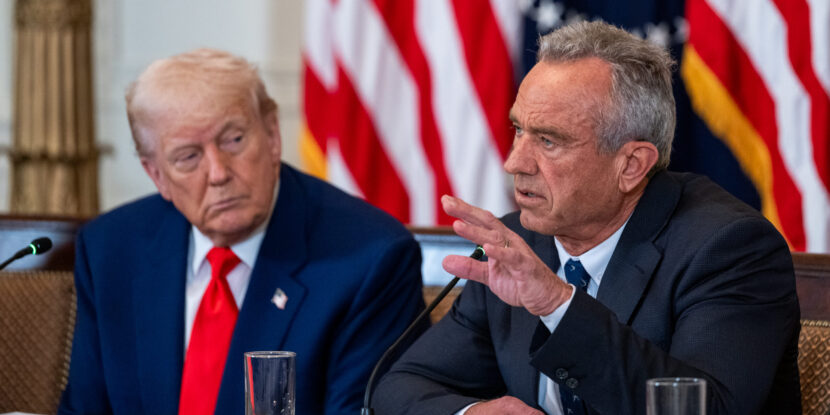
Health Secretary Robert F. Kennedy Jr., who has for years voiced concerns about certain vaccines, welcomed the CDC’s wording change. In September, he had noted that “Some 40-70 percent of mothers who have children with autism believe that their child was injured by a vaccine,” adding: “President Trump believes that we should be listening to these mothers instead of gaslighting and marginalizing them like prior administrations.”

The controversy comes as the CDC is initiating a new large-scale investigation into potential associations between vaccines and autism using the agency’s Vaccine Safety Datalink. At a September event focused on autism, President Donald J. Trump called for separating the combined measles, mumps, and rubella (MMR) vaccine into three individual shots, saying, “When you mix them, there could be a problem.”

The America First leader also criticized the current infant immunization schedule, characterizing it as too intensive. “For a little baby to be injected with that much fluid… it’s crazy,” he said.

Image by Chhor Sokunthea / World Bank.

Join Pulse+ to comment below, and receive exclusive e-mail analyses.
show less
show more

Texas AG Paxton Sues Tylenol Maker for Not Warning Pregnant Women of Risks.

PULSE POINTS

WHAT HAPPENED: Texas Attorney General Ken Paxton has filed a lawsuit against the maker of Tylenol over claims the drug can cause autism in young children.

👤WHO WAS INVOLVED: Ken Paxton, Johnson & Johnson, and law firm Keller Postman.

📍WHEN & WHERE: The lawsuit was filed this week in Texas.

💬KEY QUOTE: “Big Pharma betrayed America by profiting off of pain and pushing pills regardless of the risks. These corporations lied for decades, knowingly endangering millions to line their pockets.” – Ken Paxton

🎯IMPACT: The lawsuit marks the first of its kind from a state government and could have significant implications for pharmaceutical companies and consumer safety.

IN FULL

Texas Attorney General Ken Paxton (R) has filed a lawsuit against Johnson & Johnson, the maker of Tylenol, alleging that the company failed to warn consumers that acetaminophen (paracetamol), the drug’s active ingredient, could increase the risk of autism in children when taken during pregnancy. This marks the first time a U.S. state government has brought such a case against the pharmaceutical giant.

Paxton framed the lawsuit as part of his broader effort to hold major drug manufacturers accountable, saying, “Big Pharma betrayed America by profiting off of pain and pushing pills regardless of the risks. These corporations lied for decades, knowingly endangering millions to line their pockets.”

The legal action follows comments from President Donald J. Trump, who recently warned pregnant women against using acetaminophen. “Don’t take Tylenol, don’t take it,” Trump said during a White House press conference, citing concerns about a potential link between prenatal use and autism in children.

The lawsuit, led by the law firm Keller Postman, claims Johnson & Johnson ignored and concealed evidence that acetaminophen could cause neurodevelopmental harm. The firm is also representing individuals in separate cases against the company’s spin-off, Kenvue, over similar allegations.

A 2021 meta-analysis led by researchers from Harvard and Mount Sinai found an increased risk of autism and ADHD among children exposed to the drug in utero. Internal documents obtained through Freedom of Information Act requests have revealed that Food and Drug Administration (FDA) scientists had expressed concerns about acetaminophen’s safety during pregnancy as early as 2016, recommending that the agency urge “judicious” use. Notably, those warnings were never issued publicly.

The FDA has since said it is reviewing labeling updates, but maintains that a causal link between acetaminophen and autism has not been established.

Additional studies cited in the case include research suggesting that prenatal exposure to acetaminophen may disrupt sexual development in male fetuses. Meanwhile, archived guidance from 2017 reportedly showed Tylenol advising pregnant women to avoid all its products, though that warning was later removed.

Join Pulse+ to comment below, and receive exclusive e-mail analyses.
show less
show more

The FDA Withheld Reports on Tylenol Risks, Internal Documents Reveal.

PULSE POINTS

WHAT HAPPENED: Internal U.S. Food and Drug Administration (FDA) documents reveal the agency ignored its own safety experts’ advice to warn pregnant women about Tylenol for nearly a decade.

👤WHO WAS INVOLVED: FDA officials, scientists, Tylenol manufacturers, President Donald J. Trump, and Department of Health and Human Services (HHS) Secretary Robert F. Kennedy Jr.

📍WHEN & WHERE: Recommendations were made between 2014 and 2025.

🎯IMPACT: The FDA’s delay in issuing warnings has led to lawsuits, public confusion, and ongoing debates about Tylenol’s safety during pregnancy.

IN FULL

The U.S. Food and Drug Administration (FDA) withheld reports and memos containing repeated recommendations from its own drug safety experts to warn pregnant women about the potential risks of Tylenol, internal agency documents reveal. These recommendations were made across multiple reviews and memos between 2014 and 2022, yet the agency declined to update its guidance until September 2025, following public pressure from President Donald J. Trump and Department of Health and Human Services (HHS) Secretary Robert F. Kennedy Jr.

FDA scientists had reviewed numerous studies showing a potential association between Tylenol use during pregnancy and risks such as ADHD, neurological damage, and other developmental issues. Despite this, FDA leadership repeatedly delayed action, citing insufficient evidence and calling for further studies. A 2016 report by FDA Senior Medical Officer Andrew Mosholder recommended a nuanced warning to pregnant women, but the agency’s leadership postponed decisions, leaving its outdated 2015 statement unchanged for nearly a decade.

The documents obtained by Keller Postman LLC, a law firm pursuing a class-action lawsuit against Tylenol manufacturer Kenvue, show that internal FDA divisions supported issuing warnings as early as 2016. However, FDA officials, including longtime Center for Drug Evaluation and Research (CDER) Director Janet Woodcock, opted against taking immediate action. Woodcock has faced scrutiny for controversial decisions during her tenure, including delays in issuing warnings about other drugs and vaccines.

In November, the Court of Appeals for the Second Circuit will hear an appeal in a class-action lawsuit against Kenvue. The lawsuit alleges that Tylenol manufacturers failed to adequately inform consumers about potential risks, while FDA officials argue that existing evidence does not meet the threshold for causality. The agency’s 2023 review omitted recommendations entirely, further fueling controversy.

The National Pulse reported in September that social media posts by a now-defunct X (formerly Twitter) account belonging to Tylenol recommended multiple times against using acetaminophen, the active ingredient in Tylenol (paracetamol), during pregnancy, due to a potential link to autism.

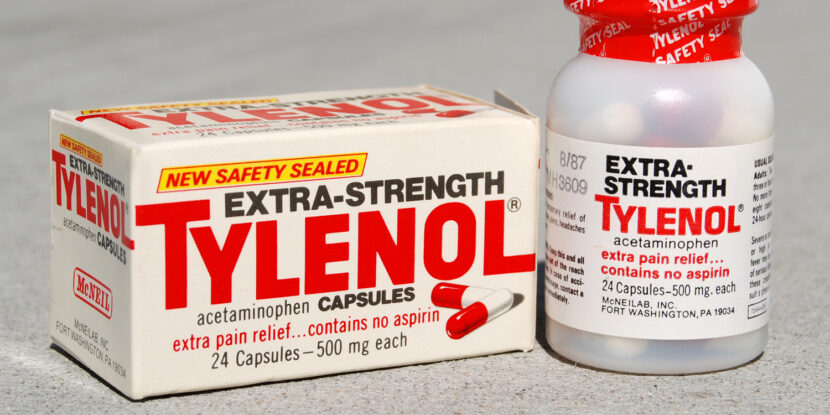
Photo by Roadsidepictures.

Join Pulse+ to comment below, and receive exclusive e-mail analyses.
show less
show more

Senate GOP Leader Thune Attacks ‘Bureaucrat’ RFK Jr. on MSNBC.

PULSE POINTS

WHAT HAPPENED: Senate Majority Leader John Thune (R-SD) criticized President Donald J. Trump’s Health and Human Services (HHS) Secretary, Robert F. Kennedy Jr., during an appearance on MSNBC.

👤WHO WAS INVOLVED: John Thune, Robert F. Kennedy Jr., and MSNBC’s Ali Vitali.

📍WHEN & WHERE: The comments were made during an interview on MSNBC’s Morning Joe show.

💬KEY QUOTE: “I think that if I were a woman, I’d be talking to my doctor and not taking advice from RFK, or any other government bureaucrat for that matter.” – John Thune

🎯IMPACT: Thune’s remarks highlight ongoing issues with GOP lawmakers being out of step with the Trump administration and its priorities.

IN FULL

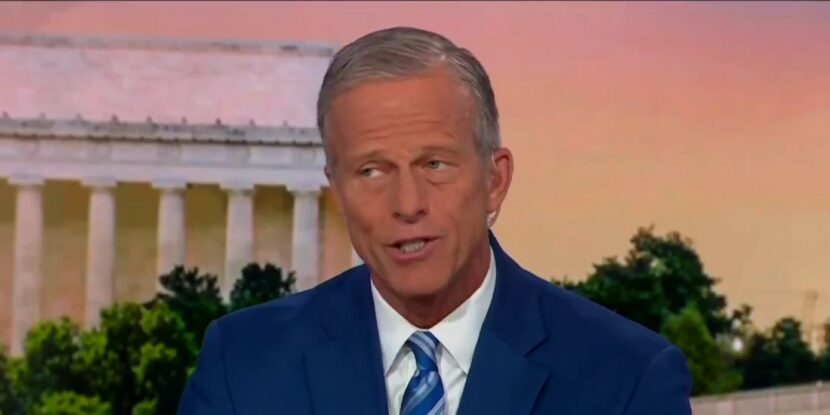
Senate Majority Leader John Thune (R-SD) has taken shots at President Donald J. Trump’s Health and Human Services (HHS) Secretary, Robert F. Kennedy Jr., during an appearance on MSNBC’s Morning Joe show. Speaking to Ali Vitali, Thune boasted that the Senate GOP was at odds with the White House on multiple issues, including the use of Tylenol during pregnancy, which President Trump and Secretary Kennedy have warned could increase the risk of autism.

Asked if he “feel[s] the way RFK Jr. Is talking about [Tylenol] is dangerous,” Thune bluntly stated, “I think that if I were a woman, I’d be talking to my doctor and not taking advice from RFK, or any other government bureaucrat for that matter.”

He stressed he could provide “plenty of examples” of issues where he disagrees with the Trump administration, and implied he believes he and the Senate GOP have a mandate to go against the President, as the Senate is “a co-equal independent branch of the government.”

President Trump has previously expressed particular frustration that Thune and the Senate GOP allowed Senate Democrats to obstruct the appointment of many of his nominees for months. However, Thune finally began stopping the Democrats from preventing the President from exercising his electoral mandate in recent weeks, by considering his nominees in batches.

Join Pulse+ to comment below, and receive exclusive e-mail analyses.
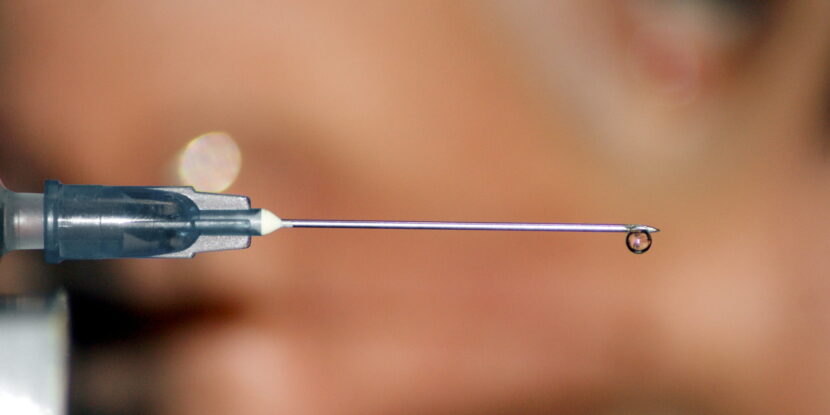
show less
show more

Acting CDC Boss Tells Big Pharma to Separate MMR Vax Into Three Shots.

PULSE POINTS

WHAT HAPPENED: Acting U.S. Centers for Disease Control and Prevention (CDC) Director Jim O’Neill called for the MMR vaccine to be split into three separate shots, echoing comments made by President Donald J. Trump.

👤WHO WAS INVOLVED: Jim O’Neill, Donald Trump, Health and Human Services Secretary Robert F. Kennedy Jr., and vaccine manufacturers Merck and GSK.

📍WHEN & WHERE: Statements were made on social media and in interviews in October 2025.

💬KEY QUOTE: “Break up the MMR shot into three totally separate shots (not mixed!)” – President Trump

🎯IMPACT: Spreading out measles, mumps, and rubella vaccinations could reduce side effects and give children’s bodies more time to adjust to them, but the health establishment is complaining that it could disrupt adherence to immunization schedules and increase the risk of contracting one of the illnesses between shots.

IN FULL

Jim O’Neill, Acting Director of the Centers for Disease Control and Prevention (CDC), is advocating for separating the MMR vaccine, which inoculates against measles, mumps, and rubella, into three separate doses. His stance echoes a social media post by President Donald J. Trump last month, when he wrote, “BREAK UP THE MMR SHOT INTO THREE TOTALLY SEPARATE SHOTS (NOT MIXED!), TAKE CHICKEN P SHOT SEPARATELY, TAKE [HEPATITIS] B SHOT AT 12 YEARS OLD, OR OLDER, AND, IMPORTANTLY, TAKE VACCINE IN 5 SEPARATE MEDICAL VISITS!”

O’Neill has supported this view, stating, “Thank you POTUS for your leadership. I call on vaccine manufacturers to develop safe monovalent vaccines to replace the combined MMR.”

Introduced in 1971, the MMR vaccine, manufactured by Merck and GSK, combined three vaccines previously licensed in the 1960s, and has long been controversial, with skeptics linking it to autism. Andrew Nixon, Communications Director for the Department of Health and Human Services (HHS), noted, “Standalone vaccinations can potentially reduce the risk of side effects and can maximize parental choice in childhood immunizations.”

Image by Nicola Sap Di Mitri.

Join Pulse+ to comment below, and receive exclusive e-mail analyses.

show less
show more

This Harvard Study Linked Tylenol Use to Increased Autism and ADHD Risk.

PULSE POINTS

WHAT HAPPENED: A study published in August suggested that acetaminophen (paracetamol) use during pregnancy may increase the risk of autism and ADHD in children. Acetaminophen is commonly sold under the brand name Tylenol in the U.S.

👤WHO WAS INVOLVED: Harvard T.H. Chan School of Public Health and Icahn School of Medicine at Mount Sinai led the research.

📍WHEN & WHERE: Published on August 14, 2025, in BMC Environmental Health.

💬KEY QUOTE: “That association is strongest when acetaminophen is taken for four weeks or longer.” – Andrea Baccarelli

🎯IMPACT: The U.S. Food and Drug Administration (FDA) plans to advise clinicians on cautious use of acetaminophen during pregnancy.

IN FULL

An August study brought attention to the potential risks associated with the use of acetaminophen (paracetamol) during pregnancy. The research, published in BMC Environmental Health, indicates that exposure to this common medication, usually sold under the brand name Tylenol in the U.S., might increase the likelihood of autism and ADHD in children.

The study was spearheaded by the Icahn School of Medicine at Mount Sinai, with contributions from Harvard T.H. Chan School of Public Health. Researchers reviewed 46 studies from around the world, employing the Navigation Guide Systematic Review methodology to find evidence of a connection between acetaminophen use during pregnancy and an increased incidence of neurodevelopmental disorders (NDDs).

The U.S. Food and Drug Administration (FDA) is preparing to issue guidance to clinicians, following discussions between Andrea Baccarelli, a senior author on the study and professor at Harvard, and Health and Human Services Secretary Robert F. Kennedy Jr.

Baccarelli, who has served as an expert witness in related legal cases, stated, “Further research is needed to confirm the association and determine causality, but based on existing evidence, I believe that caution about acetaminophen use during pregnancy—especially heavy or prolonged use—is warranted.”

Image by Allen.

Join Pulse+ to comment below, and receive exclusive e-mail analyses.

show less
show more

STUDY: Tylenol Can Negatively Impact Sexual Development in Baby Boys.

PULSE POINTS

WHAT HAPPENED: The use of Tylenol, also known by its generic names paracetamol and acetaminophen (APAP), by pregnant women has been linked to “developmental alterations in both the reproductive tract and the brain” of unborn babies—especially boys.

👤WHO WAS INVOLVED: The Society for Reproduction and Fertility’s journal Reproduction; researchers hailing from Denmark, Brazil, France, Sweden, and the United States; the Trump administration; and pregnant women.

📍WHEN & WHERE: The study was conducted in 2017, with the Trump administration issuing new guidance for pregnant women on Tylenol use in September 2025.

💬KEY QUOTE: “Together, these data suggest that prenatal exposure to APAP may impair male sexual behaviour in adulthood by disrupting the sexual neurobehavioral programming. These findings add to the growing body of evidence suggesting the need to limit the widespread exposure and use of APAP by pregnant women,” the 2017 study researchers wrote.

🎯IMPACT: The 2017 study bolsters new guidance issued by the Trump administration warning against the use of Tylenol by pregnant women due to potential links to the development of autism in children.

IN FULL

The use of Tylenol, also known by its generic names paracetamol and acetaminophen (APAP), by pregnant women has been linked to “developmental alterations in both the reproductive tract and the brain” of unborn babies, especially boys. A 2017 study, published in the Society for Reproduction and Fertility’s journal Reproduction, found that paracetamol/acetaminophen exposure in fetal male mammals has significant impacts on both physical and neurological sexual development that could still be observed in later adulthood.

“Through intrauterine exposure experiments in C57BL/6 mice, we found that exposure to APAP decreased neuronal number in the sexually dimorphic nucleus (SDN) of the preoptic area (POA) in the anterior hypothalamus of male adult offspring,” the 2017 study states. “Likewise, exposure to the environmental pollutant and precursor of APAP, aniline, resulted in a similar reduction. Decrease in neuronal number in the SDN-POA is associated with reductions in male sexual behaviour.”

The researchers—hailing from Denmark, Brazil, France, Sweden, and the United States—observed that fetal exposure to APAP altered critical mating behaviors in adult male mice, including territorial marking through urination and decreased aggressiveness toward the presence of other male mice. Concerningly, the study also found “exposed males had reduced intromissions and ejaculations during mating with females in oestrus.”

“Together, these data suggest that prenatal exposure to APAP may impair male sexual behaviour in adulthood by disrupting the sexual neurobehavioral programming,” the researchers contend, adding: “These findings add to the growing body of evidence suggesting the need to limit the widespread exposure and use of APAP by pregnant women.”

The 2017 study bolsters new guidance issued by the Trump administration, warning against the use of Tylenol by pregnant women due to potential links to the development of autism in children. The National Pulse previously reported that a now-defunct social media account for Tylenol warned in 2017 and 2019 that pregnant women should avoid its use.

Image by Allen.

Join Pulse+ to comment below, and receive exclusive e-mail analyses.

show less
show more