





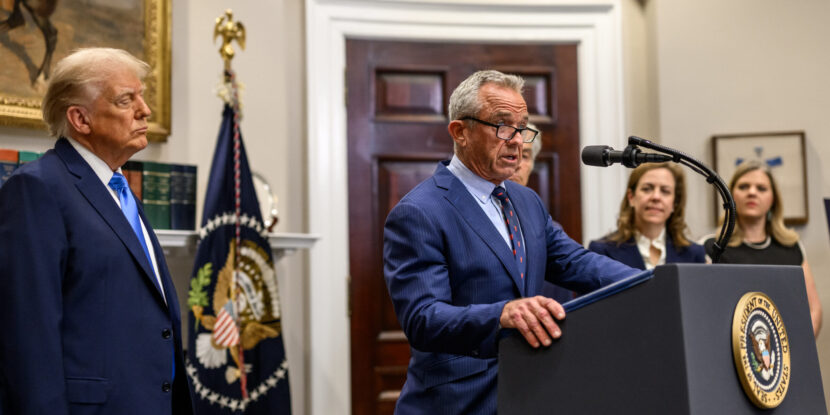
❓WHAT HAPPENED: A panel appointed by Health and Human Services (HHS) Secretary Robert F. Kennedy Jr. is reportedly preparing to recommend changes to vaccination schedules, including delaying the hepatitis B vaccine for newborns.
👤WHO WAS INVOLVED: RFK Jr., the U.S. Centers for Disease Control and Prevention (CDC) vaccine advisory panel, and American children.
📍WHEN & WHERE: The CDC panel meeting is scheduled for December 4 over two days, with discussions and a vote on the hepatitis B vaccine recommendation.
💬KEY QUOTE: “Hepatitis B is sexually transmitted. There’s no reason to give a baby that’s almost just born hepatitis B. So I would say wait till the baby is 12 years old and formed and take hepatitis B.” – President Donald J. Trump.
🎯IMPACT: The changes will be a relief to many young parents who feel that too many vaccines are pushed on infants and young children too early in life.
An advisory committee appointed by Health and Human Services (HHS) Secretary Robert F. Kennedy Jr. is expected to propose major revisions to U.S. childhood vaccination schedules, including the possibility of postponing the hepatitis B shot normally given to newborns. The U.S. Centers for Disease Control and Prevention (CDC) vaccine advisory group is set to debate and vote on the recommendations during a two-day meeting beginning December 4.
Kennedy, who has been a prominent critic of federal vaccination policies, previously dismissed the entire 17-member CDC advisory panel and replaced it with less establishment figures, including several well-known vaccine skeptics.
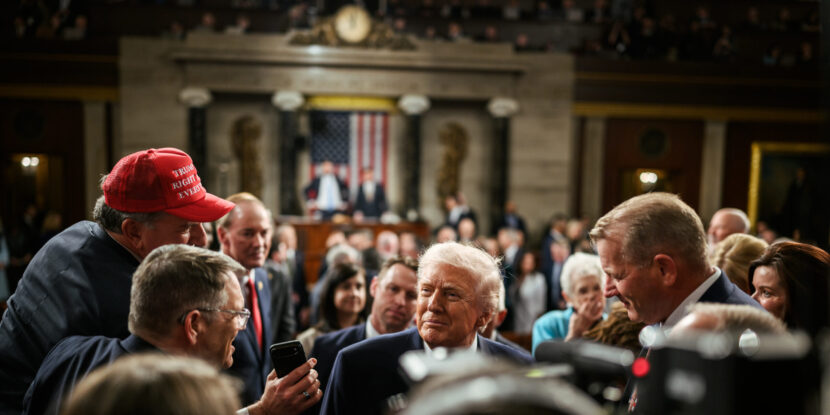
President Donald J. Trump endorsed delaying the hepatitis B vaccine for babies earlier this year, saying, “Hepatitis B is sexually transmitted. There’s no reason to give a baby that’s almost just born hepatitis B. So I would say wait till the baby is 12 years old and formed, and take hepatitis B.”
The upcoming debate is unfolding alongside Kennedy’s broader effort to reshape federal vaccine policy. Since taking office, he has repeatedly questioned the safety of several childhood and COVID-19 vaccines. He has also argued that a possible link between vaccines and autism has not been “debunked,” stressing: “The claim ‘vaccines do not cause autism’ is not an evidence-based claim because studies have not ruled out the possibility that infant vaccines cause autism.”
Join Pulse+ to comment below, and receive exclusive e-mail analyses.









.jpg)


