




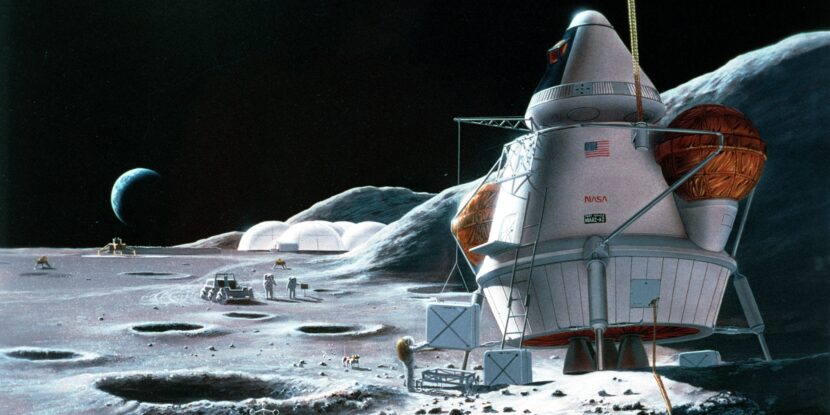
The U.S. is accelerating efforts to deploy nuclear reactors in space, aiming to secure space superiority against China and Russia and to make permanent human presence in Earth’s orbit and on the Moon a reality.
| PULSE POINTS |
❓ WHAT HAPPENED: The White House has unveiled a detailed plan to prioritize the development of nuclear reactors for use in space, with the goal of deploying them on the Moon and in orbit by 2030, allowing a more permanent human presence in space. The initiative, led by the Office of Science and Technology Policy, assigns specific roles and deadlines to federal agencies, marking a shift from theoretical proposals to actionable steps. 📺 DETAIL: Building on a 2025 announcement from NASA about a lunar reactor, the new guidelines emphasize a dual-track strategy where NASA and the Department of War will run parallel programs to develop low- and mid-level power reactors. The initiative also seeks partnerships with private-sector innovators to ensure the U.S. maintains its leadership in space exploration, commerce, and defense. Near-term goals include deploying orbiting reactors by 2028 and lunar reactors by 2030. 💬 KEY QUOTE: “Nuclear power will make sustained human presence in space possible. We will survive the lunar night, endure Martian sandstorms, and venture into the stars.” – Michael Kratsios, Director of the Office of Science and Technology Policy. 🎯 IMPACT: NASA stated last month that it plans to build a lunar base in three distinct phases, with the base expected to be permanently habitable by 2032. The goal is part of a series of missions that began earlier this month with the Artemis II mission, which successfully saw the first orbital manned flight around the moon in decades. The plan positions the U.S. as the leader in space nuclear power, a critical component for long-term missions and for maintaining military and technological superiority amid growing competition from China and Russia. 📺 FLASHBACK: During his first term in 2020, President Donald J. Trump issued an executive order prioritizing space superiority, laying the groundwork for this initiative. The directive aimed to deploy space-based nuclear reactors by 2030, a goal now being actively pursued under the current framework. |
Join Pulse+ to comment below, and receive exclusive e-mail analyses.














.jpg)


_seized_a_ship_near_Iran%E2%80%99s_Bu_Musa_Island_in_the_Persian_Gulf,_which_was_smuggling_out_a_cargo_of_1.312_million_liters_of_subsidized_fuel..jpg)


