




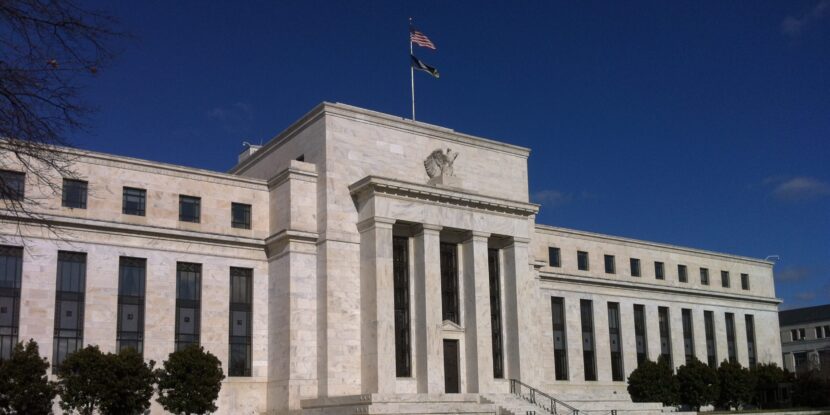
Rising inflation, driven by gas and food prices, continues to strain American finances, potentially influencing Federal Reserve policy.
| PULSE POINTS |
❓ WHAT HAPPENED: A key measure of inflation rose in April to 3.8 percent, up from 3.5 percent in March and the highest level since May 2023, as surging gas and food prices continued to put pressure on American households. The Commerce Department reported that prices rose 0.4 percent on a monthly basis in April after a 0.7 percent increase in March, while core inflation, which excludes food and energy, climbed to 3.3 percent from 3.2 percent. Monthly core prices increased by 0.2 percent 📺 DETAIL: The report suggests inflationary pressures are broadening beyond energy, raising concerns that the Federal Reserve could delay interest rate cuts or even consider additional hikes as inflation remains well above the central bank’s two percent target. Wholesale inflation has also intensified, with producer prices rising six percent annually in April and energy prices surging 22.7 percent from a year earlier, increasing pressure on companies to pass higher costs on to consumers. Notably, former Federal Reserve governor Kevin Warsh was recently confirmed as the new Fed chairman amid mounting concerns over persistent inflation and rising fuel costs, with analysts expecting a more hawkish approach to monetary policy as policymakers debate whether further rate increases may be necessary. 🎯 IMPACT: Rising costs are putting pressure on American households, particularly those with tight budgets, which could become a significant factor in the upcoming midterm elections. The Federal Reserve, in particular, may face political and economic challenges in balancing inflation control with economic growth. |
Join Pulse+ to comment below, and receive exclusive e-mail analyses.














.jpg)


_seized_a_ship_near_Iran%E2%80%99s_Bu_Musa_Island_in_the_Persian_Gulf,_which_was_smuggling_out_a_cargo_of_1.312_million_liters_of_subsidized_fuel..jpg)


