


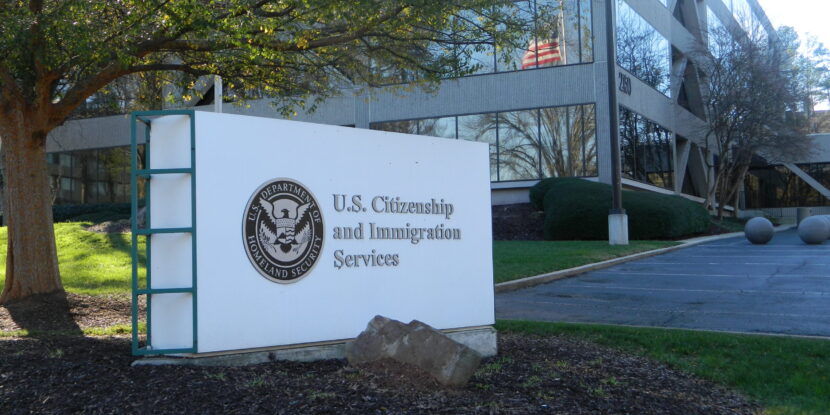
The Trump administration has announced plans to revoke the citizenship of 17 naturalized immigrants accused of immigration fraud, marking an unprecedented use of denaturalization laws.
| PULSE POINTS |
❓ WHAT HAPPENED: The Trump administration announced what officials described as the largest denaturalization effort in modern history on Monday, moving to revoke the U.S. citizenship of 17 naturalized immigrants accused of obtaining citizenship through fraud or concealing disqualifying conduct during the naturalization process. 📺 DETAIL: Federal law permits courts to strip citizenship from foreign-born Americans if the government proves it was obtained through fraud or material misrepresentation, a remedy historically used sparingly, averaging roughly 11 cases annually between 1990 and 2017. The latest actions come amid a broader Department of Justice (DOJ) push that has identified hundreds of potential denaturalization targets, with officials previously indicating that as many as 384 cases could be pursued nationwide. Recent cases have included efforts to revoke the citizenship of former U.S. diplomat and convicted Cuban spy Manuel Rocha, whom prosecutors allege concealed his allegiance to Cuba while becoming a U.S. citizen. The administration has also expanded denaturalization priorities to include naturalized immigrants accused of serious fraud, national security offenses, and other misconduct. Some Republican lawmakers have called for denaturalization proceedings against naturalized citizens implicated in major taxpayer-defrauding schemes. 📺 FLASHBACK: Denaturalization has historically been used sparingly, often reserved for cases involving war criminals or immigrants who concealed egregious crimes during the naturalization process. This shift underlines a broader trend of tightening immigration policies under the second Trump administration. |
Join Pulse+ to comment below, and receive exclusive e-mail analyses.