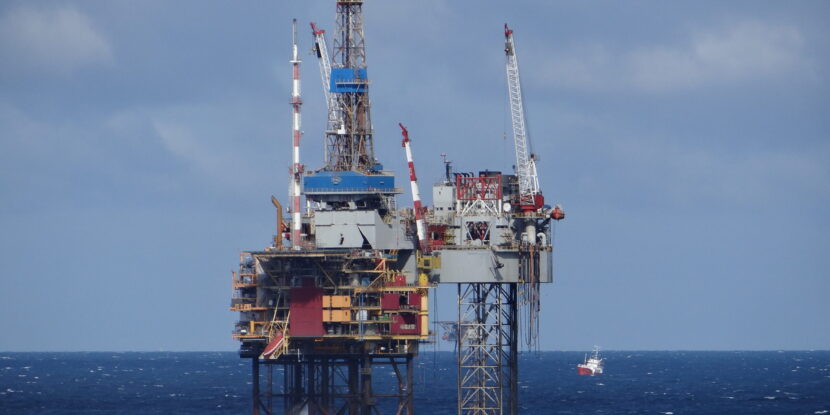
BP’s decision to sell its North Sea oil business underlines concerns over British energy policy and its impact on investment and jobs.
| PULSE POINTS |
❓ WHAT HAPPENED: BP has announced plans to sell its North Sea oil business, which includes five production hubs and employs approximately 1,100 people. The company stated this decision aligns with its broader strategy to streamline operations and focus on higher-value opportunities, against a backdrop of punitive climate regulations and windfall taxes on the sector imposed the incumbent Labour and prior Conservative governments. 📺 DETAIL: BP’s North Sea assets, including Glen Lyon, Clair, and Clair Ridge, have been central to the British energy system for decades. However, political uncertainty, high taxes, and mixed government messaging have created challenges for the offshore oil and gas sector. BP’s move follows new Labour government policies banning exploration licenses and a 78 percent windfall tax on profits, which have deterred investment. 💬 KEY QUOTE: “Unless investors have confidence that Britain is open for business, more capital, more jobs and more expertise will continue to leave,” warned Russell Borthwick, Chief Executive of the Aberdeen & Grampian Chamber of Commerce. 🎯 IMPACT: The sale raises concerns over job security for BP’s North Sea workforce and the broader future of the British offshore oil and gas industry. Critics argue that current energy policies are driving capital and expertise out of the country and leaving it poorly placed to cope with challenges such as Iran closing the Strait of Hormuz. 📺 FLASHBACK: BP was granted its first North Sea license in 1964, and the region has since become a cornerstone of British energy production. However, years of anti-fossil fuel regulations and political instability have weakened the sector’s competitiveness. President Donald J. Trump repeatedly urged former Prime Minister Sir Keir Starmer to reopen the North Sea, expressing amazement that Britain is importing Norwegian North Sea oil and gas while neglecting its own reserves, and has made the same remarks to Starmer’s newly installed successor, Andy Burnham, in recent days. “You have one of the most valuable oil finds anywhere in the world, and if the United Kingdom would use it, they’d be a wealthy country again… I could not get Starmer to use it. It was incredible,” he told the press earlier this week. |
Join Pulse+ to comment below, and receive exclusive e-mail analyses.