



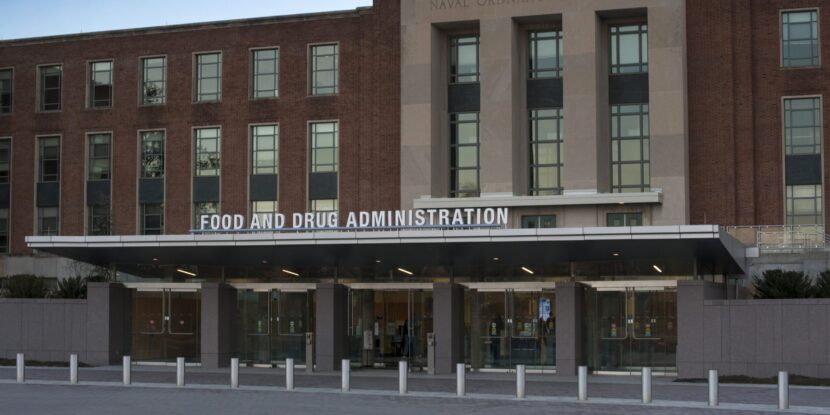
The Food and Drug Administration has issued a Class II recall for duloxetine capsules, widely used to treat depression and anxiety, after recent tests revealed unsafe levels of cancer-causing chemicals.
| PULSE POINTS |
❓ WHAT HAPPENED: The Food and Drug Administration (FDA) has recalled over 370,000 bottles of Cymbalta, a widely-prescribed antidepressant, over concerns that the drug may cause cancer. 📺 DETAIL: The duloxetine delayed-release capsules were recalled due to the presence of N-nitroso-duloxetine, a by-product of the manufacturing process. N-nitroso-duloxetine is part of a group of chemicals called nitrosamines, which have been linked to cancers in animal studies. Chemicals that cause the development of cancer are called carcinogens. Cymbalta is sold nationwide and is one of the most common medications in the United States, with approximately 18 million prescriptions written every year. The capsules are manufactured by Towa Pharmaceuticals Europe in Spain and distributed by Breckenridge Pharmaceuticals, based in New Jersey. Specifically, the FDA warned that the capsules contained more than the permitted levels of N-nitroso-duloxetine, which can be safe in moderate amounts but dangerous in excessive amounts. 🎯 IMPACT: While no illnesses have been reported thus far, the FDA’s recall is classified as Class II, meaning there is the potential for temporary or reversible health effects. Patients are urged to consult their doctors for alternatives, as abruptly stopping the prescription can lead to withdrawal symptoms, including depression, fatigue, and insomnia, among other issues. This is the second recall this year, following a similar issue in April involving 165,000 bottles. This included 360,000 bottles of 60mg capsules and 14,000 bottles of 30mg capsules. The bottles had a best-before date of May 2027. 📺 FLASHBACK: This is not the first time this year that the FDA has issued a recall due to cancer concerns. Back in February, the agency announced a safety review of butylated hydroxyanisole (BHA), a food additive commonly used in processed foods such as breakfast cereals, frozen meals, and bread due to potential carcinogenic effects. BHA has been in use for decades, having been approved as an additive in the early 1960s. |
Join Pulse+ to comment below, and receive exclusive e-mail analyses.