


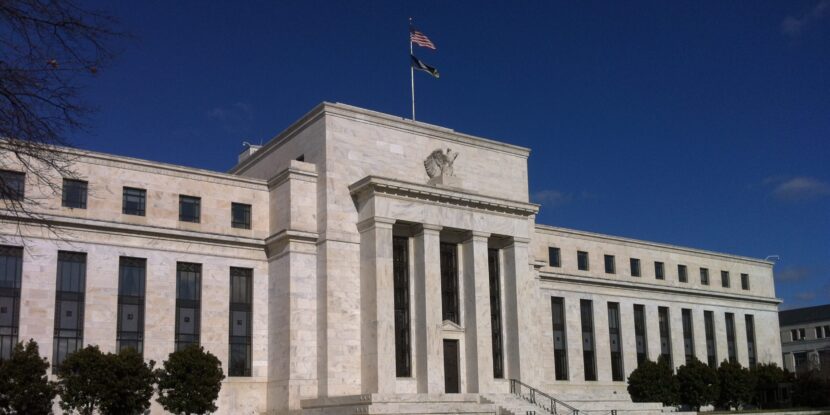
The Federal Reserve has increased interest rates to combat persistent inflation, amid geopolitical issues and rising energy prices caused by the Iran and Ukraine wars.
| PULSE POINTS |
|
❓ WHAT HAPPENED: The Federal Reserve has raised its benchmark interest rate to a range of 3.75 percent to four percent, marking the first increase since July 2023. This decision was made unanimously by the central bank to address persistent inflation concerns.
📰 DETAIL: The Fed’s decision comes amid rising tensions in the Middle East, with Iran largely closing down the Strait of Hormuz following clashes with the U.S. and Israel and the Iran-backed Houthis disrupting oil exports from Saudi Arabia more broadly. The regional conflict has driven oil prices higher, contributing to inflationary pressures. Mutual, escalating strikes on energy infrastructure by Ukraine and Russia, particularly diesel-producing refineries in Russia, are likely to exacerbate this instability. The U.S. central bank anticipates one more rate hike this year, with officials divided on how many more are needed. Inflation is projected to rise to 3.7 percent on a headline basis, with core inflation at 3.4 percent.
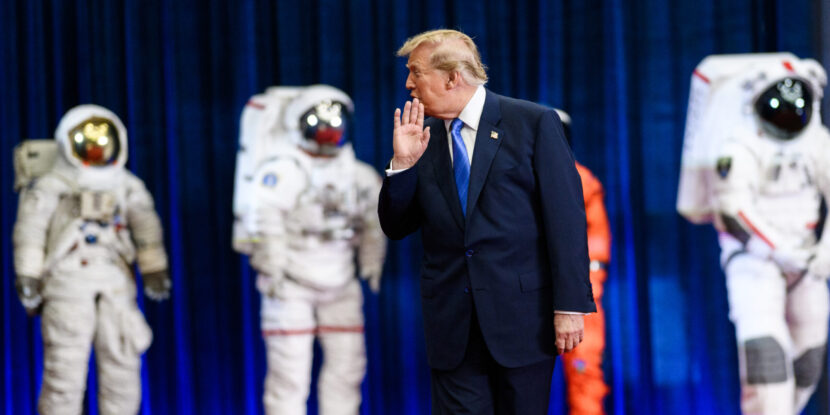
🎯 IMPACT: The rate hike is intended to stabilize prices and support the Fed’s two percent inflation goal, though officials do not expect to reach this target until after 2028. The decision comes ahead of the November midterm elections, with President Donald J. Trump, who has consistently pushed for lower interest rates, and Treasury Secretary Scott Bessent likely to object to the timing and question the necessity of the rate increase.
|
This story is developing…
Join Pulse+ to comment below, and receive exclusive e-mail analyses.