Three-quarters of parliamentary constituencies in England and Wales receive more in welfare payments than their residents contribute through income tax and National Insurance, according to a new analysis from the Adam Smith Institute. Across the two nations, welfare spending exceeds collections from those two taxes by £61 billion a year, or £1,245 per adult. For every £1 raised via income tax and National Insurance, £1.27 is paid out in welfare.
Of the 575 constituencies examined, 430 take in more in welfare than residents pay in the two taxes. The remaining 145 contribute more through those taxes than they receive back in welfare.
Composition of the Welfare Bill.
Welfare in the tracker covers both pensioner payments and working-age benefits. The state pension and Pension Credit together make up 47 percent of the total. Universal Credit accounts for 28 percent, Personal Independence Payments for 11 percent, and housing benefits for 4 percent. The comparison covers only income tax and National Insurance; it excludes other taxes as well as spending on services such as the National Health Service (NHS) and schools.
The North East records the highest ratio, with £2.19 spent on welfare for every £1 collected in the two taxes. Every constituency in the region is a net recipient. Every constituency in Wales is also a net recipient, with £1.88 spent for every £1 collected, against £1.25 in England as a whole.
London and the South East are the only regions in which residents pay more through the two taxes than they receive in welfare. In London, the figure is 78p spent for every £1 collected.
Within cities, Birmingham shows £2.54 spent for every £1 collected, Liverpool £2.05, and Manchester £1.52. Birmingham Perry Barr, which is around 70 percent non-white, records the highest ratio of any English constituency, at £4.41 for every £1 paid.
Characteristics of High-Spending Seats.
The ten constituencies with the highest welfare spending relative to the two taxes tend to have younger populations, higher numbers of children, elevated disability rates, and greater concentrations of social housing. Nearly 24 per cent of residents in these areas hold no formal qualifications, compared with 18 per cent nationally.
Of the ten most welfare-reliant constituencies overall, seven are held by Labour MPs, with the Conservatives, Reform UK, and an independent each holding one.
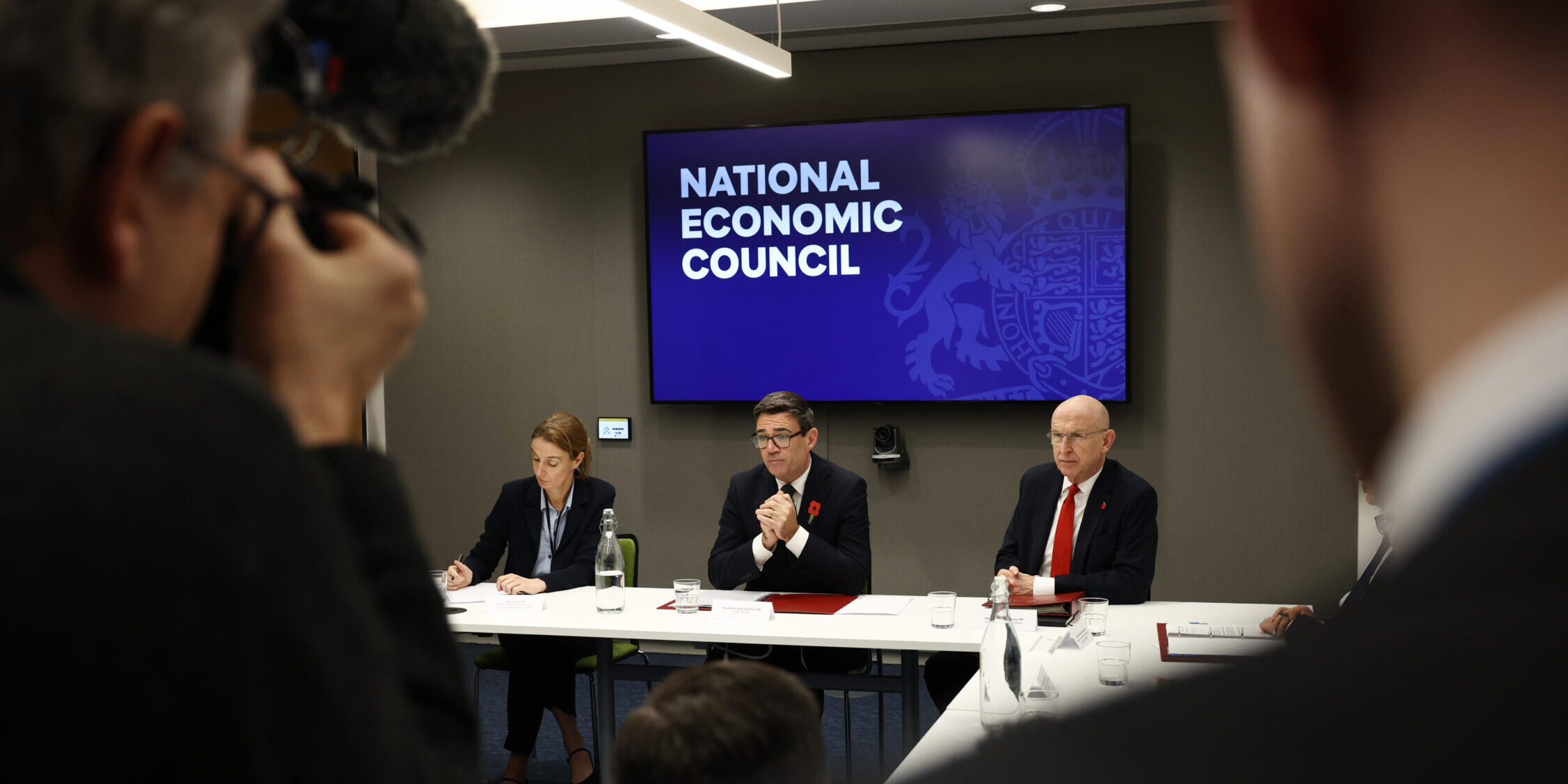
The figures appear against projections that the overall benefits bill will rise from £353 billion to £431 billion by 2031-32. Prime Minister Burnham has said he wants to reduce the number of young people outside work, training, or education. He told Times Radio he is prepared to take difficult decisions because he cannot accept more than a million people in their twenties remaining on benefits, and that radical change is needed in how young people are supported. He told the BBC he could not guarantee when the overall bill would start to fall, noting that investment in support would need to rise first and that some funding might have to be reprioritized, but that the welfare bill would eventually come down.