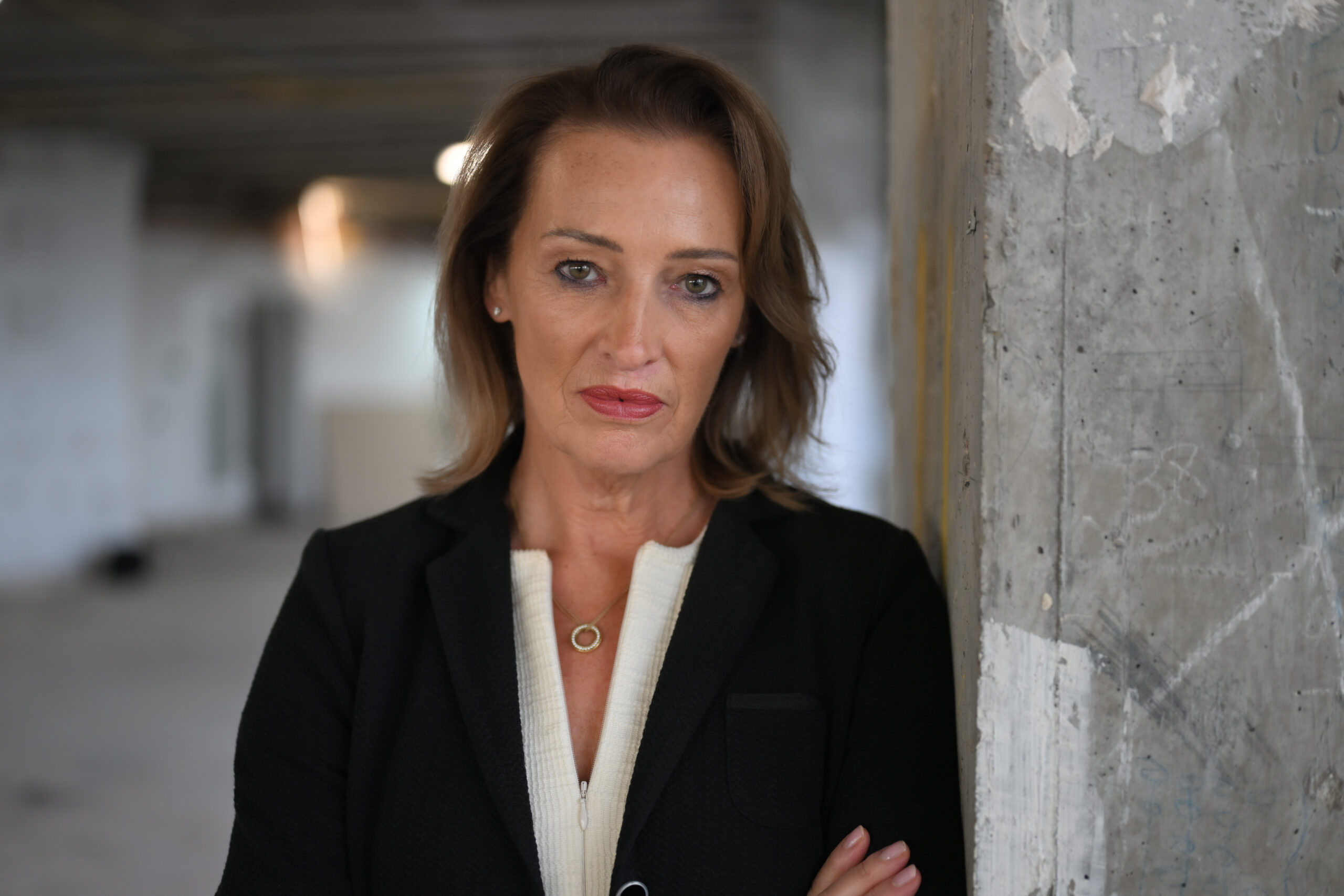
Reform UK MP Sarah Pochin has written to BBC chairman Samir Shah demanding ten years of figures on how much licence-fee money has funded the pensions of convicted sex offenders and other convicted former staff, and what the Corporation has spent on payoffs and legal bills. She posted the letter on X and asked that the requests also be treated as a formal request under the Freedom of Information Act 2000.
Pochin, who won the Runcorn and Helsby by-election for Reform in May 2025 by six votes, told Shah that licence fee payers “are entitled to know where their money goes. That includes whether they are helping to fund the retirement of convicted sex offenders, and how much the Corporation has spent on payoffs and legal bills connected with individuals whose conduct has betrayed public trust.”
She asked how many former BBC employees convicted of sexual or other criminal offences are receiving pensions arising from their BBC employment, and the total annual value of those payments; how much licence-fee income has contributed to those pensions, including through employer contributions and payments to address scheme deficits; how much has been spent on severance, settlements or other departure payments to former employees who were subsequently convicted, or who had already been convicted when those payments were agreed; and how much has been spent on legal advice, representation and proceedings connected with criminal conduct, distinguishing the BBC’s own legal costs, costs paid on behalf of those individuals, and compensation or legal costs paid to victims. More broadly, she asked what the BBC has spent in total on staff payoffs, settlements and legal fees, and how much of that came from licence-fee income. She wanted annual figures for the last ten financial years and the current year to date, and an explanation of “what steps, if any, the BBC has taken to recover money from individuals convicted of criminal offences and to prevent avoidable costs falling on licence fee payers.”
BBC licence fee payers deserve to know whether their money is funding the pensions of convicted sex offenders.
Read this 👇 pic.twitter.com/sr5X4U5V8f
— Sarah Pochin MP (@SarahForRuncorn) November 12, 2026
The letter names no individual. If particular payments are legally unavoidable, Pochin wrote, the BBC “should explain why. That does not remove its responsibility to account openly for the money involved.” Licence fee payers, she said, “deserve a clear account of what has been paid, to whom, and why.”
The request follows the conviction of Huw Edwards, who pleaded guilty in July 2024 to three counts of making indecent images of children and was sentenced in September to six months’ imprisonment, suspended for two years. Tim Davie, then the BBC’s director-general, said in August 2024 that it was “very difficult to claw back, nigh on impossible” to recover Edwards’s pension, adding: “These are unfortunately the specifics of how it works.”
The Telegraph estimated in August 2024 that Edwards could be entitled to a BBC pension paying more than £300,000 a year — two thirds of final salary from the age of 60, if he never left the old defined-benefit scheme. The paper said it did not know whether he had retired or left the scheme, and no later confirmation that he has begun drawing the pension has been published.
Occupational pensions are generally protected by the Pensions Act 1995, which bars forfeiture for ordinary criminal convictions, including sexual offences. Narrow exceptions, such as treason, serious official-secrets offences carrying long sentences, or recovery of a monetary debt to the employer, do not, on the public record, fit this case. The BBC Pension Scheme is a funded private trust, legally separate from the Corporation, not a public-service scheme in which ministers can reduce NHS or police pensions after a conviction. Licence-fee money reaches the scheme through the BBC’s employer contributions, not as a direct payment from this year’s fee to a named pensioner.
The BBC had not responded publicly on Thursday afternoon. Public authorities ordinarily have 20 working days to answer a Freedom of Information request, which would place a reply around mid-December.