❓WHAT HAPPENED: Several states have introduced new restrictions on what can be purchased with Supplemental Nutrition Assistance Program (SNAP) benefits, a.k.a. food stamps, targeting items like soda, candy, and energy drinks.
👤WHO WAS INVOLVED: Agriculture Secretary Brooke Rollins, Health and Human Services (HHS) Secretary Robert F. Kennedy Jr., and various state officials, including Idaho Governor Brad Little (R).
📍WHEN & WHERE: Restrictions begin February 15 in Idaho and Oklahoma, and February 18 in Louisiana. Other states are rolling out changes through 2026.
💬KEY QUOTE: “President Trump has made it clear: We are restoring SNAP to its true purpose—nutrition.” – Brooke Rollins
🎯IMPACT: Over a million SNAP recipients across multiple states will be affected by the new restrictions.
Eighteen states are implementing new rules for receiving Supplemental Nutrition Assistance Program (SNAP) benefits, limiting purchases of items such as soda, candy, and energy drinks. Idaho and Oklahoma began enforcing restrictions starting February 15, while Louisiana is set to follow on February 18. Meanwhile, Indiana, Iowa, Nebraska, Utah, and West Virginia have already begun enforcing new rules, while the remaining states will begin enforcement between now and the end of the year.
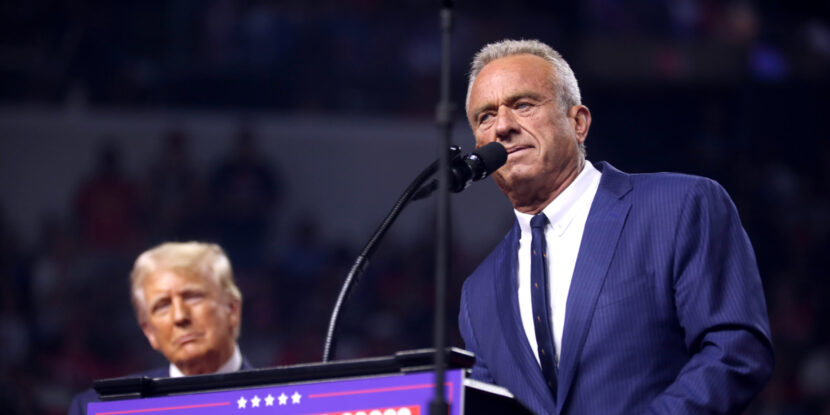
The changes follow a series of federal waivers approved last year, which granted states greater authority to specify what SNAP funds can be used to purchase. Pushed by the Trump administration’s Department of Health and Human Services (HHS) Secretary Robert F. Kennedy Jr., and Department of Agriculture (USDA) Secretary Brooke Rollins, the waivers are intended to allow state governments to reduce access to high-sugar and low-nutrition products.
“President Trump has made it clear: We are restoring SNAP to its true purpose—nutrition,” Secretary Rollins said of the changes, adding, “Under the MAHA initiative, we are taking bold, historic steps to reverse the chronic diseases epidemic that has taken root in this country for far too long.” She added that the waivers “empower states to lead, protect our children from the dangers of highly processed foods, and move one step closer to the President’s promise to Make America Healthy Again.”
The waivers have also received praise from some governments. Idaho Governor Brad Little (R)—one of the states to obtain an approved waiver—stated, “Idaho proudly welcomes the MAHA movement because it is all about looking for new ways to improve nutrition, increase exercise, and take better care of ourselves and one another, especially our children. We are excited to partner with the Trump administration in bringing common sense to the government’s food assistance program with the approval of our SNAP waiver.”
While the SNAP program has been a critical source of aid for many Americans in need, it has also seen its fair share of abuse and fraud. The National Pulse reported in early February that a Minnesota woman was sentenced to one year in prison for defrauding the federal government of more than $325,000 in SNAP benefits. Meanwhile, a duo of Haitian immigrants in Massachusetts was federally charged last December with orchestrating a $7 million fraud scheme targeting SNAP.
Join Pulse+ to comment below, and receive exclusive e-mail analyses.