


The British Government has unveiled plans to ban under-16s from accessing social media platforms, jeopardizing online anonymity and raising concerns about the effectiveness of such measures.
| PULSE POINTS |
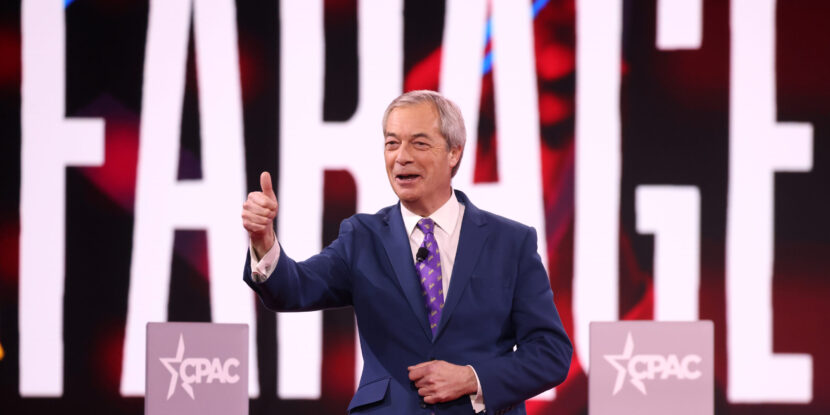
❓ WHAT HAPPENED: The British Government has announced a ban on social media access for children under the age of 16, which will force anonymous adult users to give up their identity. 💬 KEY QUOTE: “A full ban is the right choice… I am not prepared to compromise on the safety and happiness of our children,” said Prime Minister Sir Keir Starmer in a press conference on Monday. 🎯 IMPACT: Crucially, the ban will require adults to upload ID to use social media to prove that they are aged 16 or over, ending online privacy. Social media companies have warned that barring access to safer, regulated platforms could incentivize children to use less safe, unregulated ones and become more isolated. The government has regularly cited Australia’s social media ban as an example of how such a measure can work, but experts and critics have pointed to numerous enforcement challenges, particularly the ability of children to bypass restrictions using VPNs. Critics of the ban in the United Kingdom, such as Reform UK leader Nigel Farage, have proposed giving children mobile devices with limited features as an alternative. 📺 DETAIL: On Monday, British Prime Minister Sir Keir Starmer announced his government’s intention to pursue a ban on social media for under-16s. Platforms like X (formerly Twitter), TikTok, Instagram, Snapchat, and YouTube will need to implement age-verification systems, such as facial recognition and official ID checks. Messaging apps and educational platforms, such as WhatsApp and Google Classroom, are excluded from the ban. The government has cited potential bullying, mental health, child endangerment, and “addictive” algorithms as justifications for the ban, which will be introduced under the Children’s Wellbeing and Schools Act. 📺 FLASHBACK: This represents another major crackdown on online privacy in the United Kingdom. Earlier in the year, the government pushed to implement digital ID, and in 2025 it enacted the Online Safety Act. Notably, the latter was also framed in terms of protecting children, but was subsequently used for political censorship, such as forcing the removal of videos of Members of Parliament (MPs) discussing Muslim grooming gangs. |
🚨 SUMMARY: The UK’s social media ban for children from early 2027:
– “User-to-user” apps where people create, share and interact with content (e.g. TikTok, Instagram, Snapchat, YouTube, X, Facebook) will be banned for under-16s
– WhatsApp, Signal and YouTube Kids will be…
— Politics UK (@PolitlcsUK) June 15, 2026
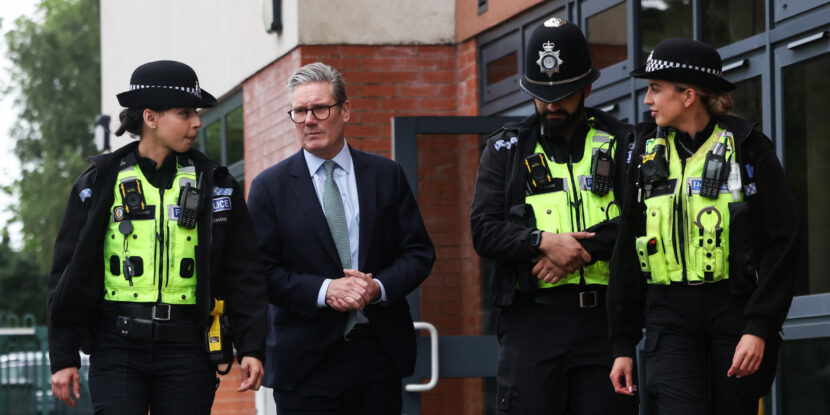
Image by Simon Dawson / No 10 Downing Street.
Join Pulse+ to comment below, and receive exclusive e-mail analyses.