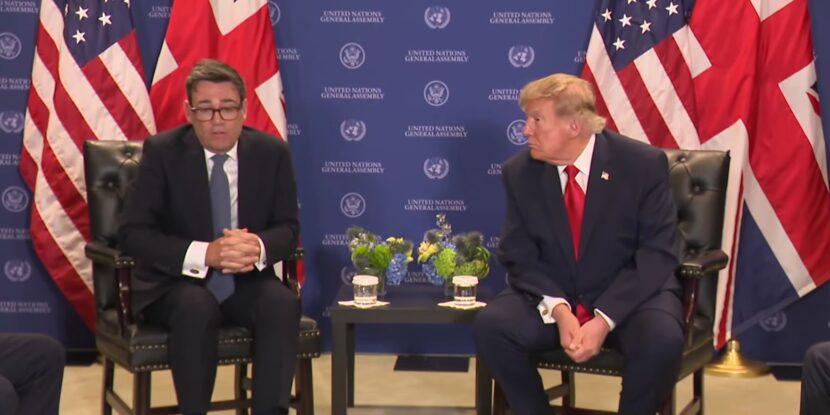



Iran’s Foreign Ministry has publicly denied assertions by the United States that the Islamic Republic has agreed to allow international inspectors to examine its nuclear facilities, raising questions about the recent peace talks in Switzerland.
| PULSE POINTS |
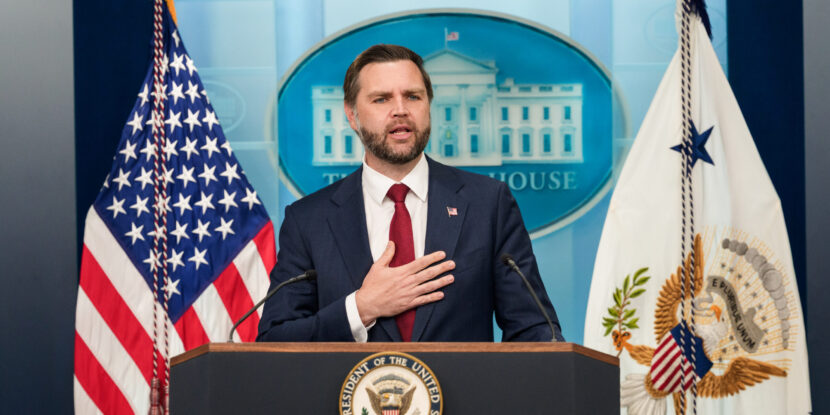
❓ WHAT HAPPENED: Iran’s Foreign Ministry has denied that it has agreed to allow international nuclear inspectors into the Islamic Republic, contradicting claims from the United States. 📺 DETAIL: According to Esmail Baghaei, spokesman for the Iranian Foreign Ministry, representatives of the Islamic Republic did not meet with Rafael Grossi, Director General of the International Atomic Energy Agency (IAEA), an intergovernmental agency within the United Nations (UN) promoting the peaceful use of nuclear energy. Baghaei also claimed that no arrangements have been made for the IAEA to inspect Iran’s nuclear facilities. This follows comments from Vice President J.D. Vance, who said that Iran had agreed to admit IAEA inspectors during peace talks in Switzerland last week. Instead, on Tuesday, Iranian officials claimed that any arrangements regarding its nuclear facilities would be dealt with in a separate process established in the current memorandum of understanding’s 60-day negotiation framework. Despite rejecting claims that nuclear inspections were discussed, Iran maintained that it is adhering to its safeguarding obligations under the Non-Proliferation Treaty. 💬 KEY QUOTE: “Neither have we had a meeting with the director general of the IAEA, nor is there a plan for agency inspections of Iran’s damaged nuclear facilities… There is no protocol for this issue.” – Esmail Baghaei, Iranian Foreign Ministry spokesman. 🎯 IMPACT: The conflicting accounts of the peace talks in Switzerland imply a significant gap in understanding between the U.S. and Iran, despite a memorandum of understanding issued earlier this month. 📺 FLASHBACK: Earlier in June, it was reported that the Trump administration had outlined a memorandum of understanding with Iran, including waivers on Iranian oil exports and $300 billion for reconstruction and economic development, alongside a 60-day negotiation period to finalize terms regarding the fate of Iran’s nuclear program. |
Join Pulse+ to comment below, and receive exclusive e-mail analyses.