


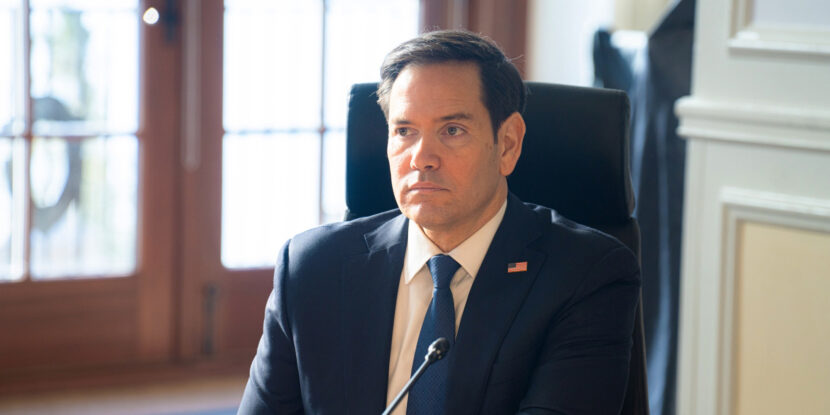
Secretary of State Marco Rubio revealed that U.S.-linked oil infrastructure is being caught in Ukrainian strikes amid the ongoing conflict with Russia.
| PULSE POINTS |
❓ WHAT HAPPENED: Secretary of State Marco Rubio said Tuesday that American-linked oil infrastructure has been targeted by Ukraine in recent months amid its war with Russia, although he added that the strikes were “probably” not deliberate. Rubio said the incidents were among Washington’s concerns as the conflict threatens to pull U.S. interests into the fighting. 📺 DETAIL: Rubio linked recent increases in oil prices to fighting between Russia and Ukraine in the Black Sea, as well as the conflict involving Iran-backed Houthi militants in Yemen. It was not immediately clear which specific incidents Rubio was referring to, although Ukraine has carried out strikes on the Russian Black Sea port of Novorossiysk, which hosts export facilities for the Caspian Pipeline Consortium. The consortium counts U.S. energy companies Chevron and ExxonMobil among its major shareholders. Rubio’s comments came ahead of a scheduled meeting between President Donald J. Trump and Ukrainian President Volodymyr Zelensky at the United Nations General Assembly, with Rubio saying Washington supports a proposed ceasefire covering energy infrastructure on both sides. Rubio said halting attacks on Ukrainian infrastructure and Russian energy producers would be an “ideal outcome.” 💬 KEY QUOTE: “American-linked ships, American oil supplies have been targeted, probably not deliberately, but targeted nonetheless by Ukraine. And so that’s something that needs to be addressed.” – Marco Rubio 🎯 IMPACT: The remarks underscore Washington’s concern that the Russia-Ukraine conflict could affect U.S. energy interests and contribute to higher global oil prices. Support for an energy infrastructure ceasefire could give the Trump administration another avenue for reducing risks to global energy supplies while limiting the potential for American-linked assets to be caught in the fighting in Eastern Europe. |
Join Pulse+ to comment below, and receive exclusive e-mail analyses.