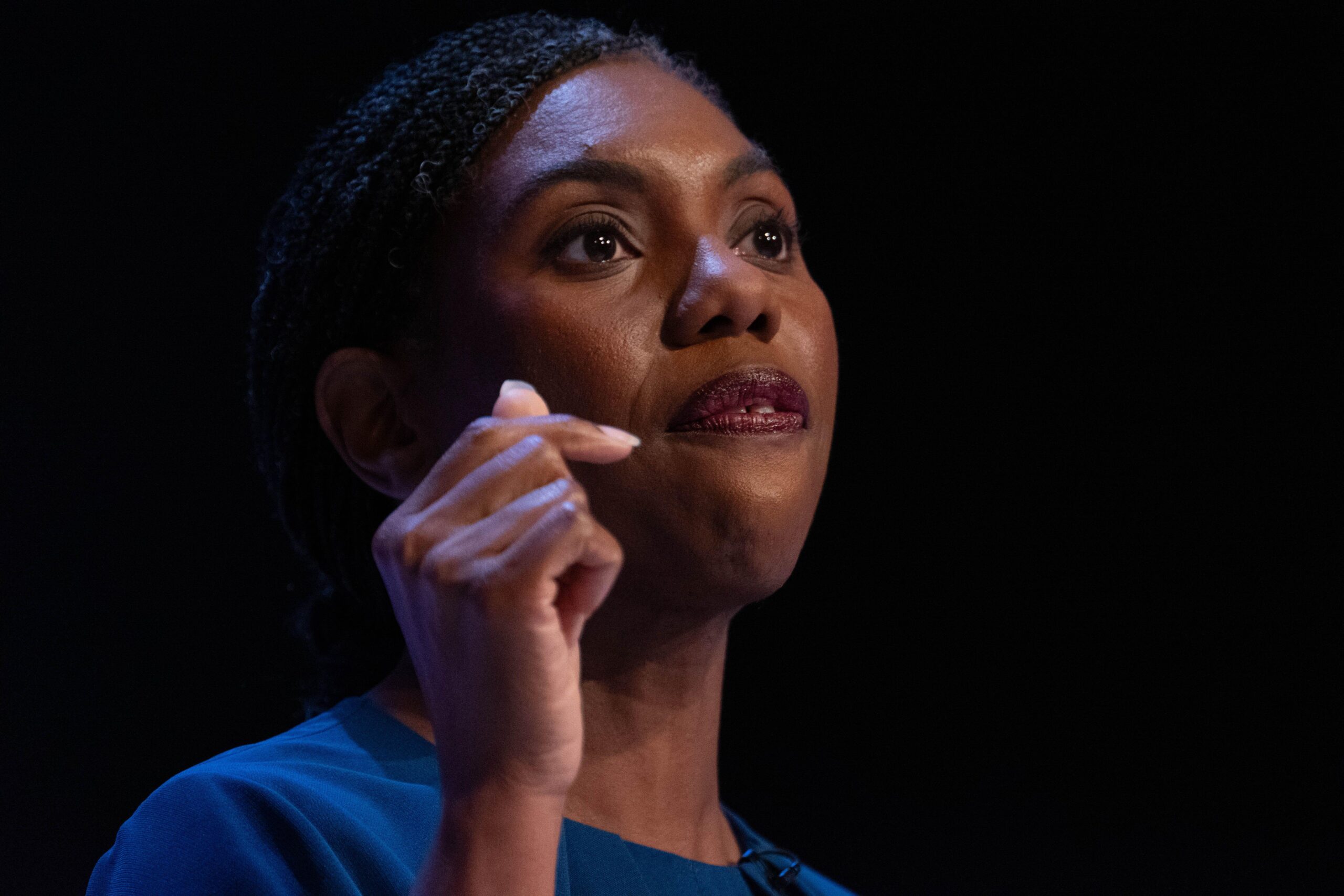
Kemi Badenoch wants voters to believe the Conservative Party has changed. Look at who runs it, and the opposite is true. The machine she has built to fight the next election is staffed by the people who campaigned, argued, and voted to keep Britain in the European Union, and two of them went on to vote for a Brexit that would have kept Britain in the single market. No wonder she told reporters this week that she’s “not interested in engaging in this debate” about protecting Brexit and the largest democratic exercise in British history. It would tear her party, and her own team, in half.
The National Pulse can today reveal that the people with the top decision-making power in Badenoch’s inner circle have a documented record of backing Remain in 2016.
This group holds the commanding heights of the Conservative Party apparatus. The party chairman, the shadow home secretary, the shadow foreign secretary, and the shadow defence secretary all backed Remain. So did the leader’s own parliamentary private secretary, while her shadow chancellor has never disclosed how he voted – almost a certain sign he voted against Brexit. Even her own spokesman and attack dog has represented pro-EU business interests, and the very person who brought her into the Conservative Party in the first place fought to keep Britain in the single market.
Today, as Prime Minister Burnham prepares a fresh fight to drag Britain back towards Brussels, the public has to decide whether it can trust the Tories to keep the country sovereign, independent, and democratic. Here’s the evidence they need to make that decision.
The Strategist Who Worked for Remain.
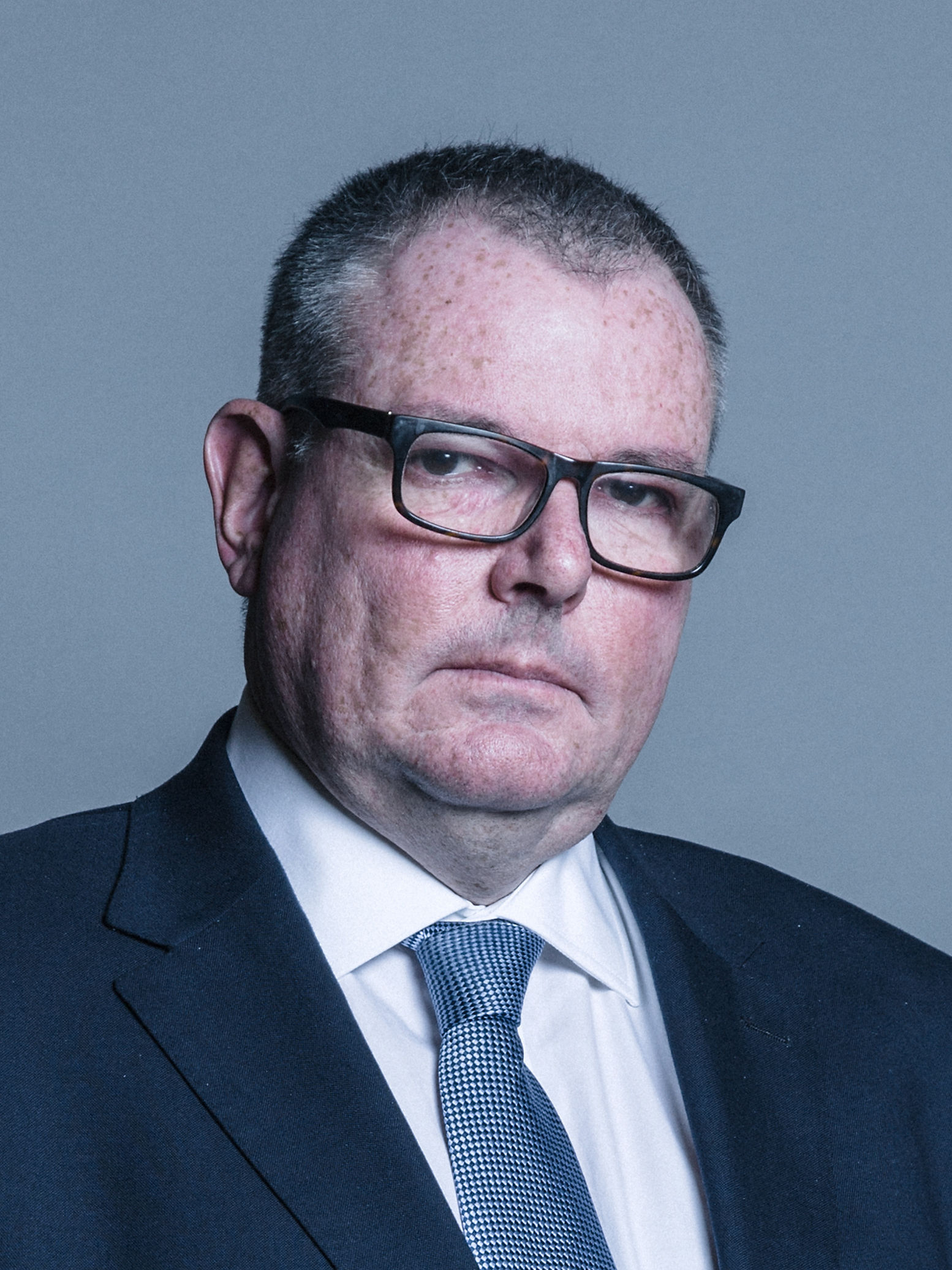
Starting with the man paid to work out how the Tories win again: Lord Gilbert of Panteg is Badenoch’s director of strategy, one of “three figures central to Badenoch’s grip on the party machine,” and the strategist charged with winning “as he did for David Cameron in 2015 and Theresa May in 2017,” according to one recent profile.
In 2016, he was working for the official Remain campaign, hand-in-hand with Labour and Liberal Democrat activists.
Opening his maiden speech in the Lords that March, he declared an interest “as a consultant to the Britain Stronger in Europe campaign, working with Populus Ltd,” and added: “I accept that those of us who wish to remain in the EU have a responsibility to show why our continued membership is positively in the interests of Britain.” His record is unambiguous.
A year later, he put it plainer still: “In the referendum I campaigned for the remain side as an adviser to Britain Stronger in Europe, an interest I declared in the register, and which ceased following the referendum.”
The move to the Remain campaign’s pollster was reported in November 2015, while he was still the Tory party’s deputy chairman. It allegedly “infuriated plenty of Tory Eurosceptics,” and he stood down as deputy chairman weeks later. A decade on, he runs strategy for a leader who ostensibly voted Leave.
The Chief Executive and the Chairman.
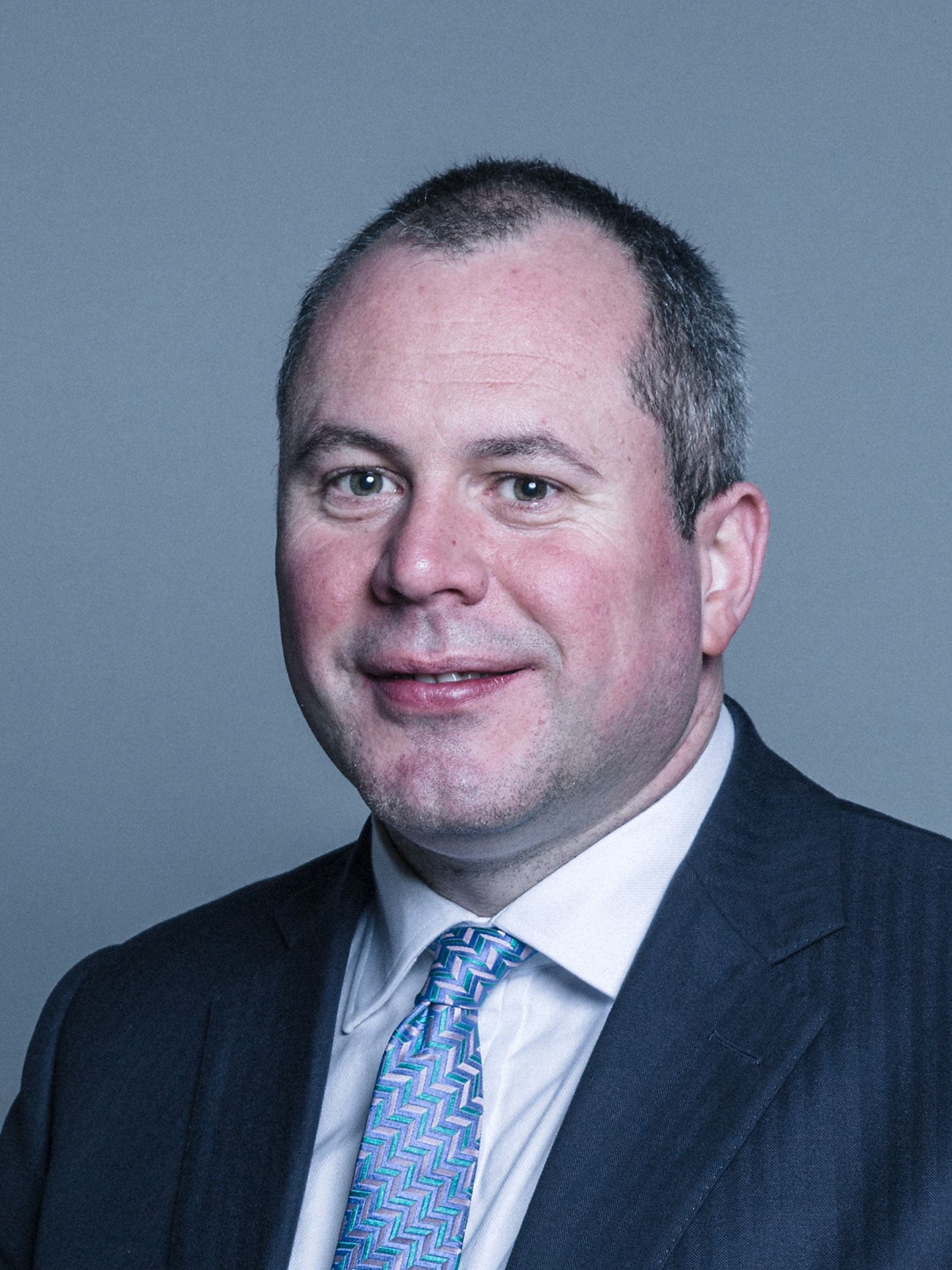
Alongside him at party headquarters sits Lord McInnes of Kilwinning, appointed chief executive in June 2025 and, according to one profile, “tasked with turning around its fortunes.”
Opening a Lords debate in January 2018, he said: “My decision in 2016 to vote to remain in the EU was more than influenced, like that of many others in Scotland and Northern Ireland, by my fears for the impact on the union of a leave vote.”
He repeated it almost word for word a year later.
The party chairman, Kevin Hollinrake, goes further.
A week before the referendum, he wrote: “I will be voting for Remain. There are many reasons for my decision not least that I believe strongly that it is in the best interests of the UK economy to stay in a reformed Europe.” Of the European Union, he warned: “Without us, I believe it might collapse like a house of cards.”
Three years after the vote, he was still pushing for a halfway house.
“I voted to remain in the 2016 Referendum but I have always maintained that Parliament has a duty to the British people to deliver Brexit,” he wrote in August 2019, before arguing for a plan in which “the UK temporarily relies on our existing treaty rights to the EEA (European Economic Area) and allows us to re-join EFTA”. He pitched it as a route “outside the Customs Union, with an independent trade policy”, but inside the single market’s rulebook all the same.
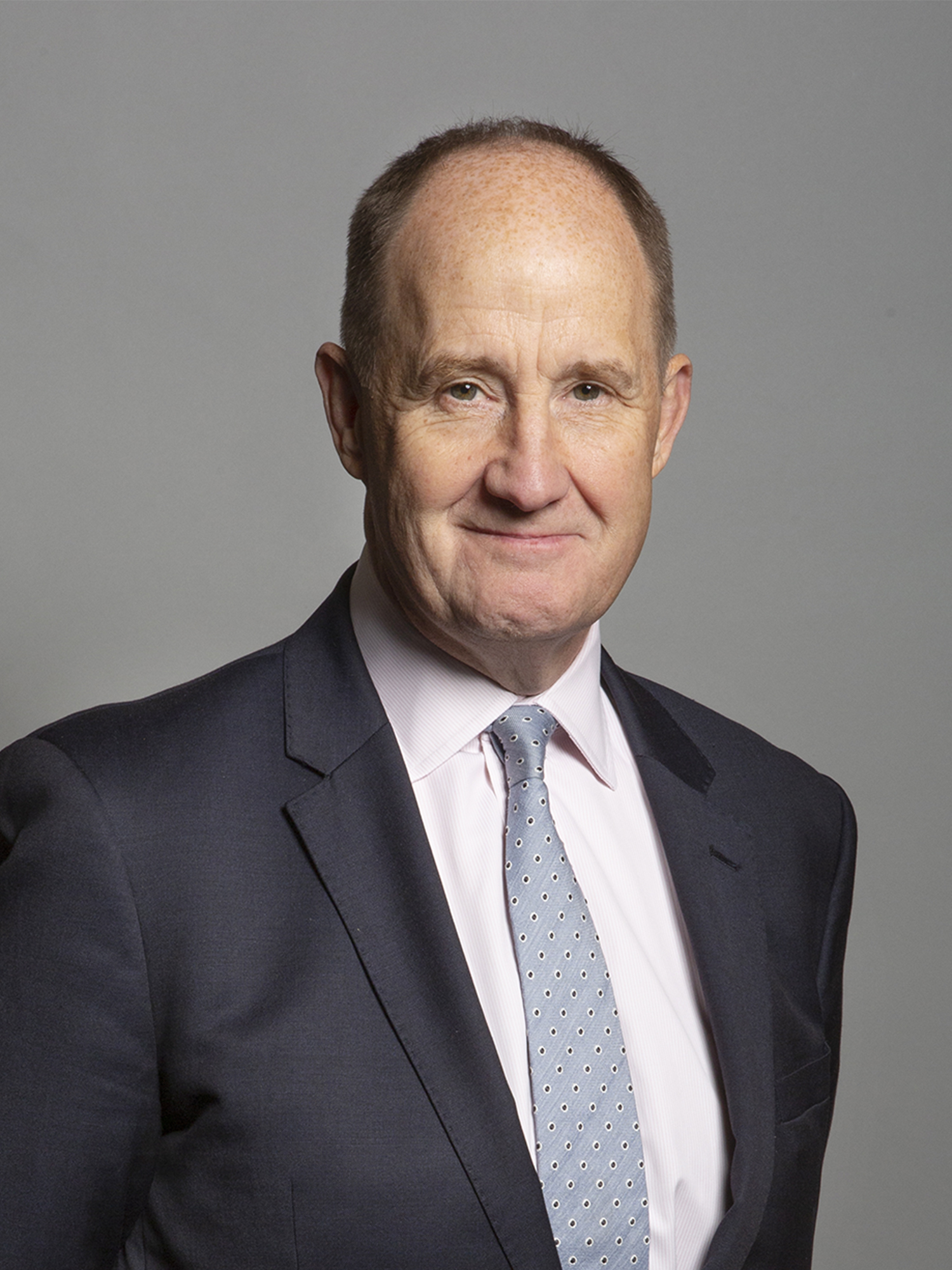
He had already voted for something close to it. In March and April 2019, Hollinrake was one of the Conservative MPs who, on a free vote, backed “Common Market 2.0,” membership of the single market through the European Free Trade Association and the European Economic Area, in both rounds of indicative votes. The man who now chairs Badenoch’s party twice voted to keep Britain bound to Brussels’s market rules.
Half In, Half Out.
The other member of Badenoch’s top team who joined him in both of those divisions now speaks for the party on defence.
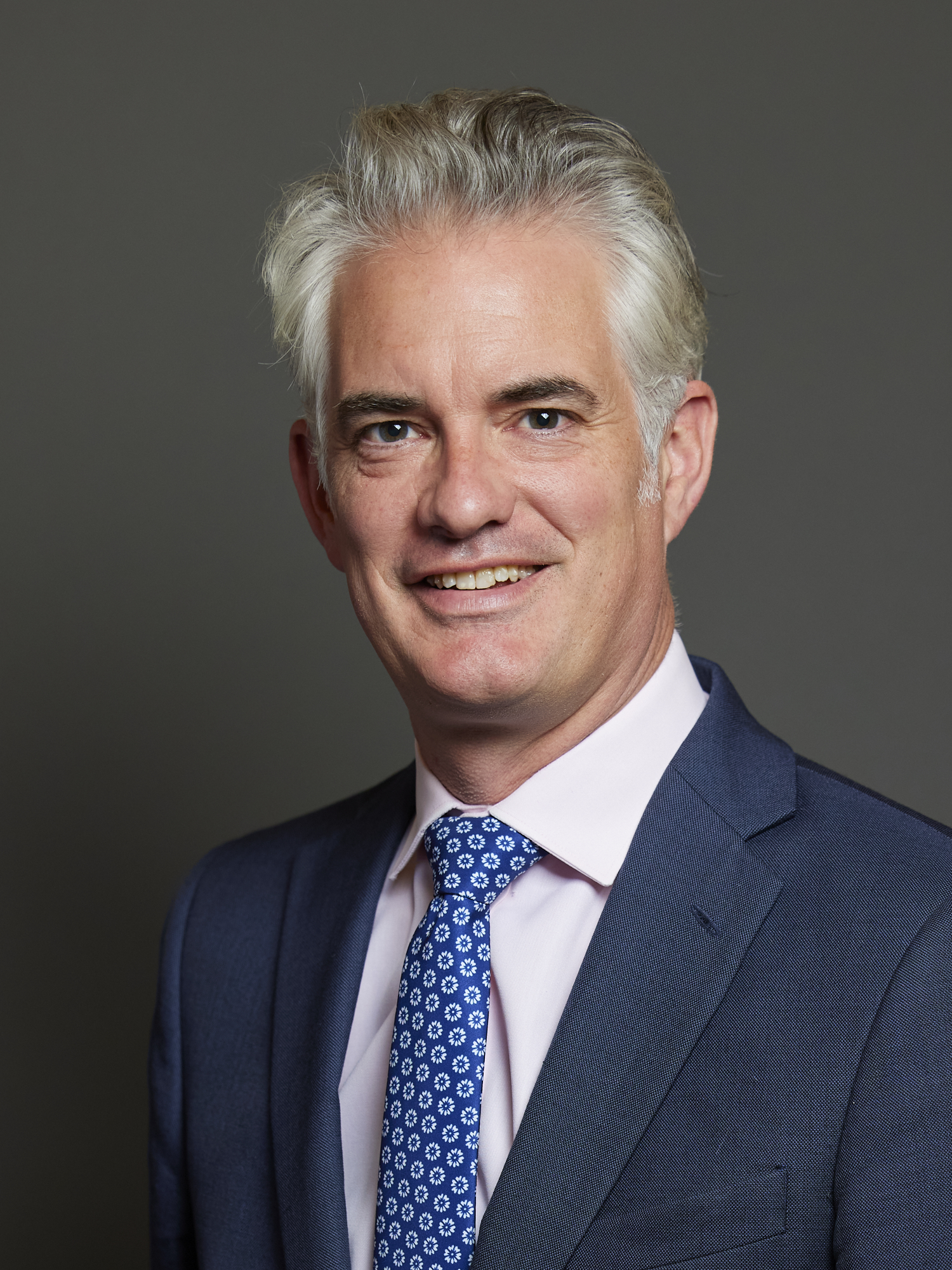
James Cartlidge told the Commons in June 2016: “I will vote remain for one fundamental reason. I am a father of four small children, and the last thing I want is for them to grow up in a country with less opportunity than I have had the great privilege to enjoy.” The speech was no passing remark, either. Cartlidge took the Remain case to referendum debates in Sudbury and Harwich, and later wrote, “against a member of my own party (Bernard Jenkin MP)”.
Two years on, he wrote of “those like me who voted to remain – whose views must also be taken into account.”
By December 2018, he had settled on what he called “the only credible answer”: “a middle way ‘semi-detached’ half in half out option.” In other words, precisely the sort of deal Andy Burnham is currently laying on the table.
Cartlidge told MPs the following month: “we can find a compromise and have what I would call a semi-detached relationship—half in, half out.”
Home, Foreign, and Defence.
Cartlidge is not alone among the senior shadow posts.
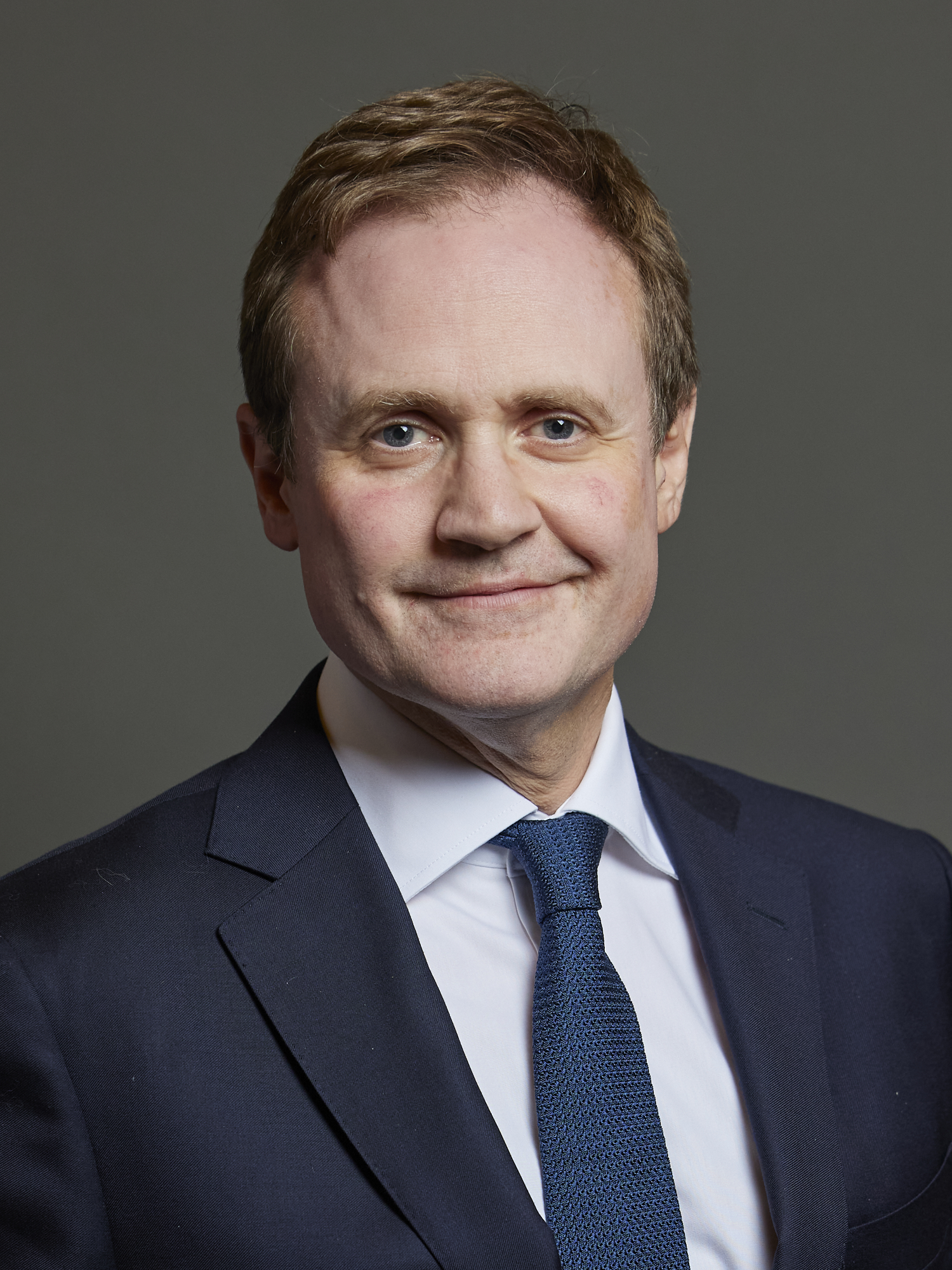
Tom Tugendhat, moved to shadow foreign secretary in the late-August reshuffle, in a choice that “surprised some,” according to one account, has never pretended otherwise.
“What I don’t regret is standing up for British interest. I don’t regret voting to Remain,” he said in September 2024, adding that “ever since then I have constantly supported the democratic will of the British people.” He was described that month as “A firm Remainer in the EU referendum,” with “no sign he would ever resign his own dual French nationality.”
Chris Philp, the shadow home secretary who now talks tough on borders, spoke for Remain at a May 2016 Conservative Muslim Forum debate, where he “explained why the UK should Remain in the EU” against a Vote Leave board member.
A week after the result, he wrote: “Although I voted to remain, as did Croydon and London, the British people as a whole have voted to leave the European Union.” He said, despite this, that he wanted “full access to the single market, including for services.”
Even the leader’s own parliamentary private secretary, John Glen, headlined his June 2016 statement: “Despite my scepticism, I will be reluctantly voting to remain.” He wrote that “…the single market is of great advantage to our economy and provides easy access to significant export markets to businesses across the country. I have been dismayed with the rhetoric on both sides of this debate. I recognise that we could survive outside of the EU. However, at this time the risks and the cost of uncertainty is not worth taking.”
The Rest of Kemi’s Bench.
Four more of her shadow cabinet complete the nine.
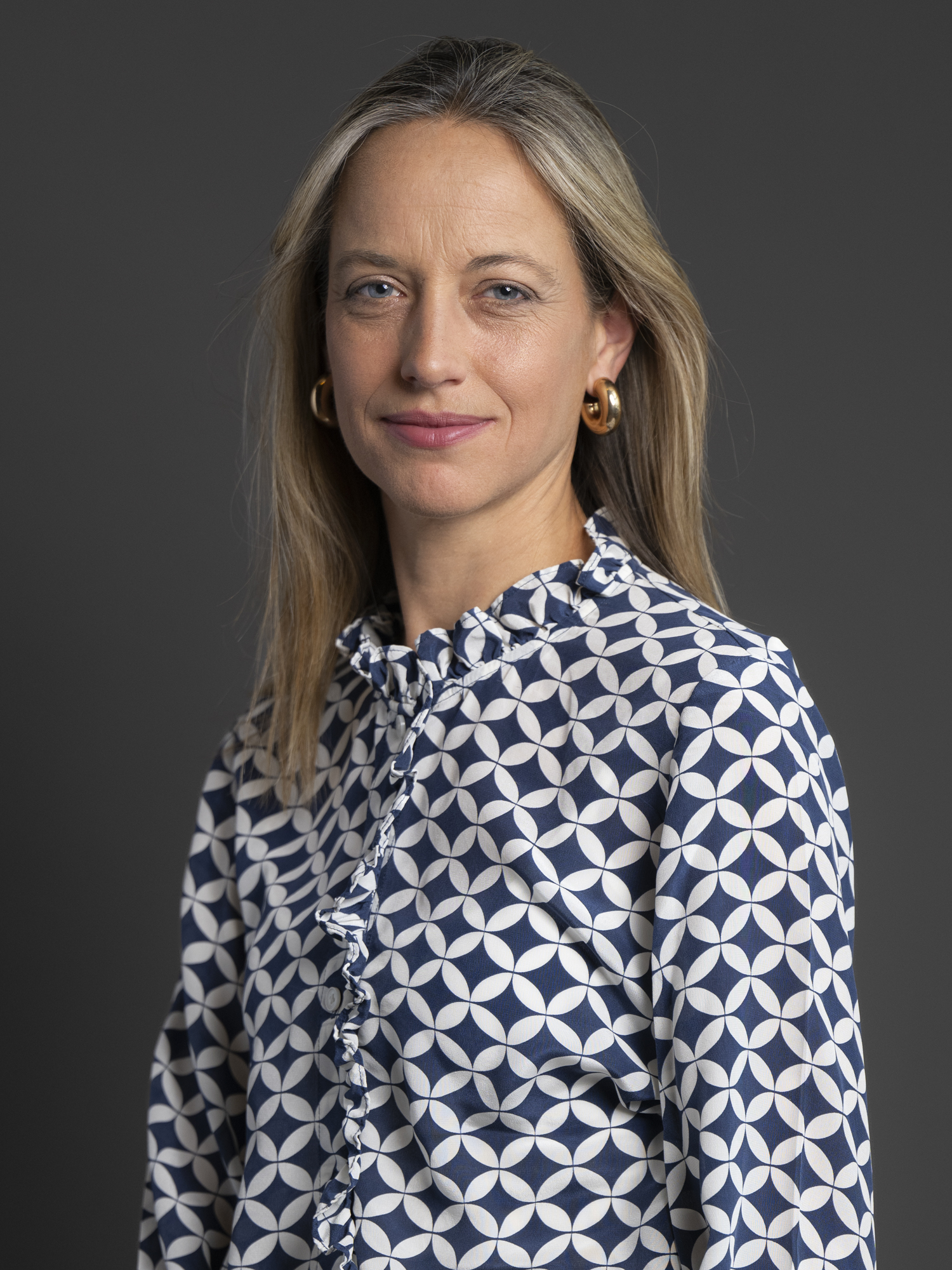
Helen Whately, now shadow work and pensions secretary, wrote in May 2016: “I have decided to vote for Britain to remain in the European Union… on balance, I believe we are better off ‘in’.” She warned that “Leaving the EU increases the risk to our national security,” and predicted that leaving would bring “a recession during the uncertain period of negotiation.”
Victoria Atkins, the shadow environment secretary, set out her case on the eve of the vote under the headline “Victoria Atkins MP sets out her reasons for voting to remain in the European Union.”
Her central argument: “The Leave campaign has confused control of our borders with control of the volume of immigration. We have control of our borders.” She added: “Explaining this is not ‘Project Fear’.” The same party has since quietly dropped “Stronger Borders” from its signage.
Andrew Bowie, the shadow energy secretary, writes on his own website: “While I myself voted Remain in the 2016 referendum, I was elected to represent West Aberdeenshire and Kincardine in 2017 on a manifesto which promised to deliver on the referendum result.”
Damian Hinds, the shadow health secretary, was a Treasury minister during the referendum, when, in his own account, “it was government policy to support Remain and specifically at the Treasury.”
A local paper reported him “setting out his place in the ‘Remain’ campaign” at a pre-referendum event, and the morning after he wrote: “Obviously I am very disappointed by the outcome of the EU Referendum”.
The Europhile Voices.
Beyond those who backed Remain, the people who shape Kemi’s message and policy on a day-to-day basis have argued for keeping Britain close to Brussels.
Her own spokesman and attack dog, Dylan Sharpe, was campaign director of Business for Britain before the referendum. While the entity eventually took a Eurosceptic position, Sharpe wrote in a 2014 article: “Business for Britain doesn’t want to leave the EU, but we do want some simple and achievable changes made.” He added: “Crucially, Britain would remain in the Single Market”. Bizarrely, how he voted two years after writing the “half-in half-out” article has never been disclosed, despite him going on to work in 10 Downing Street for Prime Minister Theresa May as one of her top special advisors.
Badenoch’s chief of staff, Henry Newman, claims to have voted Leave, a local paper reported in 2017, but only after thinking “very hard.” As director of the eurosceptic think tank Open Europe, he spent 2018 making the case for alignment. Britain should accept EU goods rules, he argued: “This would mean being a rule taker in those areas.” He told MPs on the Commons Brexit committee he wanted “an alignment on goods and a managed divergence on services”, and warned that “A no-deal Brexit will cause a disturbing rupture across not just Europe but the west.”
Then there is Lord Maude of Horsham, the former party chairman who first recruited Badenoch to work on David Cameron’s foreign aid campaign, as we recently revealed using unearthed footage. Badenoch has thanked her old friend by bringing him in as an adviser who “will occasionally attend Shadow Cabinet and sit on the Policy Oversight Committee,” according to the party’s announcement.
Maude, now 73, was the first of Margaret Thatcher’s allies to turn his back on her, forcing her out and eventually replacing her with John Major. He was joined by arch Europhile Ken Clarke, and was rewarded with a role in Major’s cabinet. He then served as David Cameron’s Cabinet Office Minister.
On July 5 2016, just days after Britain voted to leave, he said: “The priority is to maximise our participation in the single market.” He opposed rushing Article 50 in the same speech, said he wanted protections for EU nationals in Britain, said he backed Britain staying inside European institutions despite Brexit, and poured cold water on the idea of a UK-US trade deal.
Even Badenoch’s husband, Hamish, is an arch-Remainer. Kemi called him her “closest advisor.” Hamish has been described as a “Cameron centrist” and said of himself that he is “‘wet’ on pretty much everything.”
“I even campaigned for Remain,” he wrote in the Spectator in 2022.
What It Means Now.
Kemi Badenoch claims she wants no part of Andy Burnham’s renewed Brexit debate, and we now know why. Many of her core and key allies employed in her office and running her party are Europhiles or at best soft-Brexiteers.
Much of the Conservative Party’s voter base comes from an older Liberal Democrat vote, and many of the candidates they are selecting in seats around the country are pro-Net Zero, pro-European Union activists.
Voters are being asked to trust that the people who literally worked for the Remain campaign, voted for single-market membership, and wanted to be “half in, half out” will now be the ones to hold the line on Britain’s independence. When the pressure comes from business, from Brussels, or from a hung parliament, it is the chairman, the chief executive, and the strategist who will shape what the party is willing to trade away. All three backed Remain.
The National Pulse has previously reported that Badenoch has turned to David Cameron to solve the party’s money problems, and that the Conservatives quietly removed “Stronger Borders” from their signage. This website has also detailed Hollinrake’s controversies, Philp’s record on migrant camps at Piddington, the top team’s role in a Hamas operative’s asylum case, Anna Soubry’s endorsement of a Tory challenger to Reform’s Robert Jenrick, and data showing Conservatives would rather lead coalitions with Labour or the Liberal Democrats than join a Farage-led government.