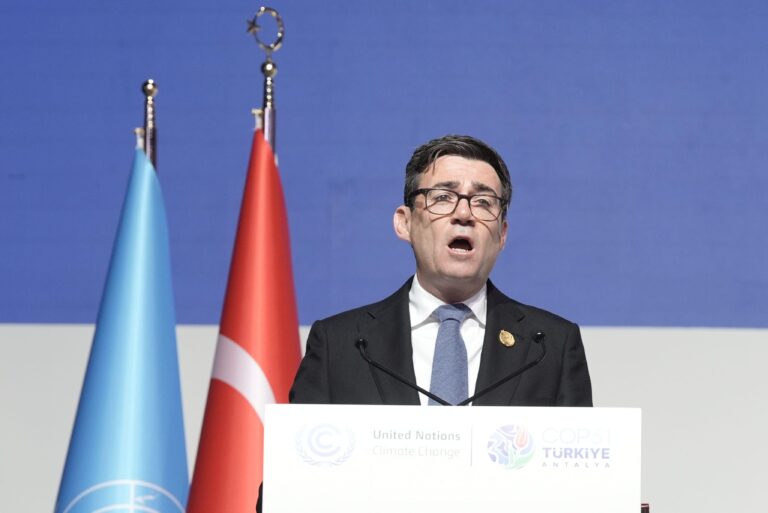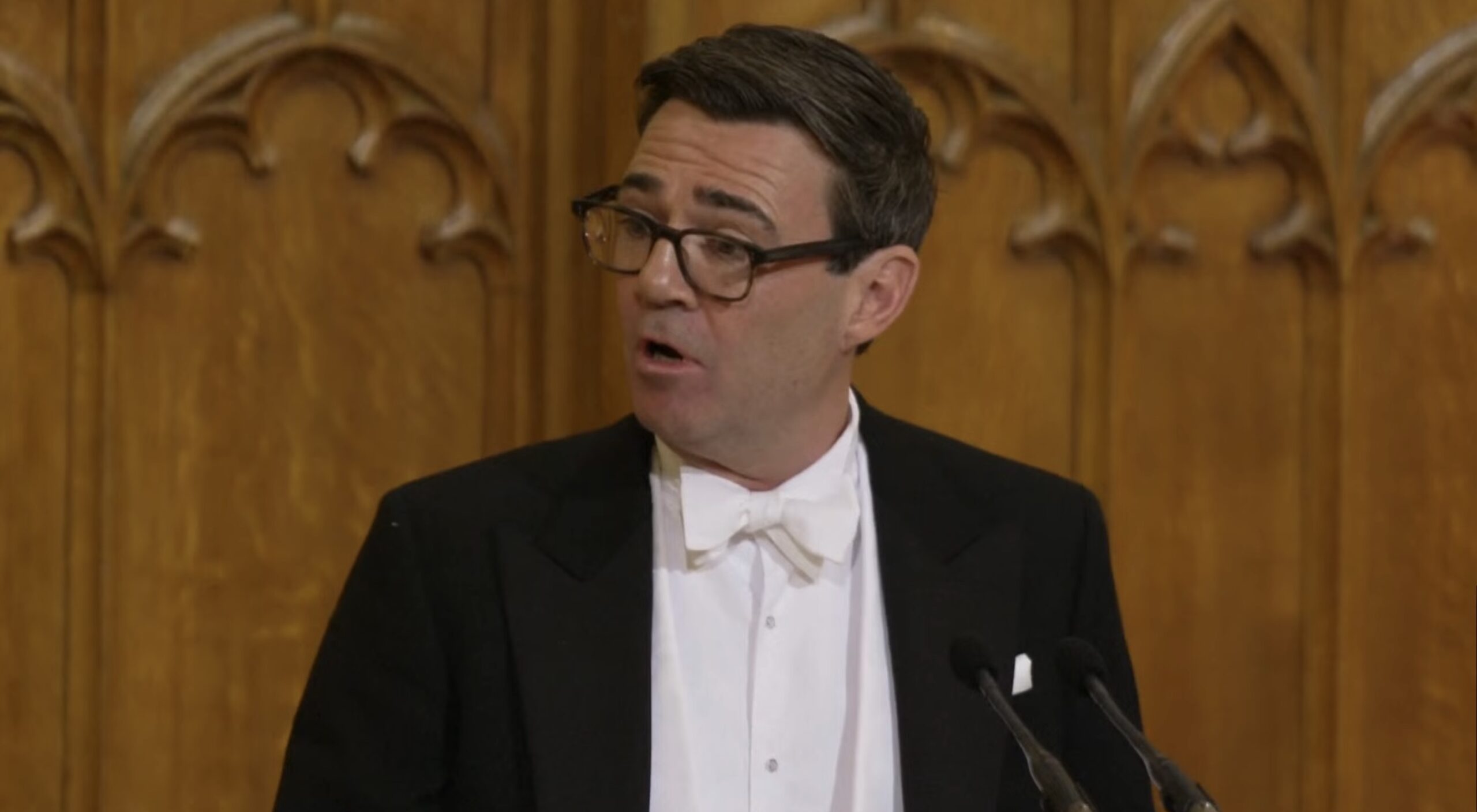
Britain’s unelected Prime Minister, Andy Burnham, told the City of London on Monday that Brexit had cost the economy 4%, then urged the country to embrace a European Union deal he says could add “up to 0.4%” to GDP.
Speaking at the Lord Mayor’s Banquet at the Guildhall, four days before a UK–EU summit in Brussels, Burnham said: “Taken as a whole, the OBR says Brexit has meant a 4% hit to the British economy. Others put it higher at up to 8% of GDP.”
Moments later, in footage of the speech, he added: “And let’s be clear, Britain is not in a position to turn its back on a potential deal that could add up to 0.4% to GDP. That is what is at stake at Friday’s UK-EU Summit in Brussels.”
By his own arithmetic, the deal at the centre of his European reset would win back one tenth of the lower Brexit figure he cited, and one twentieth of the higher one.
The 0.4% is a Treasury estimate that Burnham first put on the record in early November, saying the Treasury had raised it from 0.3%. The Treasury has not published its workings, and similar official studies treat such gains as a long-term effect that can take up to 15 years to come through. On that basis, GDP in 2040 might be around £15 billion larger, a marginal gain in an economy worth more than £3 trillion, which pales in comparison to a potential £40bn a year bill for closer ties to the EU.
The package he hopes to sign on Friday covers a food-and-farming deal, a link between emissions-trading systems, and a youth mobility scheme. Its substance was largely set under Sir Keir Starmer, whom Burnham thanked for “laying the groundwork.”
Earlier in the speech, Burnham called Brexit “the first domino to fall in a global move towards more isolationism and protectionism,” adding: “It is exactly what our enemies wanted. Russia wanted disunity within NATO and a weaker Europe, less able to counter its plans for Ukraine.”
Red Lines for This Parliament Only.
Burnham’s Brexit red lines hold only for this Parliament. A markets wire reported during the speech that he said Britain’s EU options would inform decisions in the next Parliament.
In a newspaper column on Sunday, he wrote: “The red lines set out in Labour’s manifesto will remain. This means no return to the Customs Union, Single Market or freedom of movement in this Parliament.”
He has gone further before. On 30 September, the morning after his Labour conference speech, he said in a radio interview that the options included a customs union, the single market, or to “go all the way” back into the EU. He has separately said any such change would need a mandate from the public at a general election.
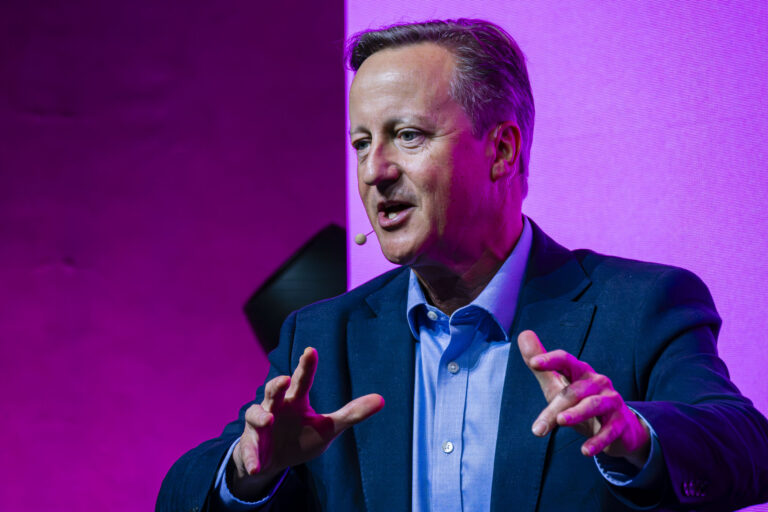
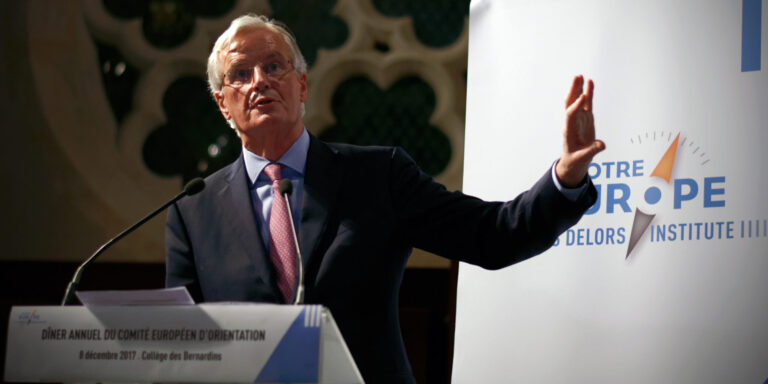
The National Pulse has previously reported on the lines Burnham was briefed to deliver, on David Cameron’s warning that rejoin talk could undermine a closer-ties deal, and on Michel Barnier’s insistence that rejoining means accepting free movement.
Burnham told the City that Brexit cost Britain 4%, asked it to back a deal he values at 0.4%, and kept rejoining on the table for the next Parliament.