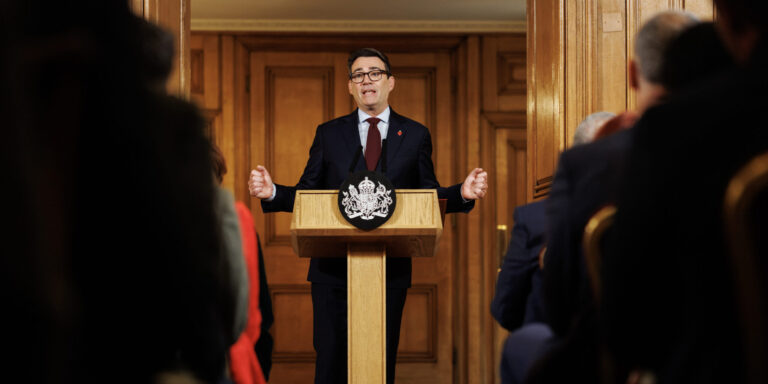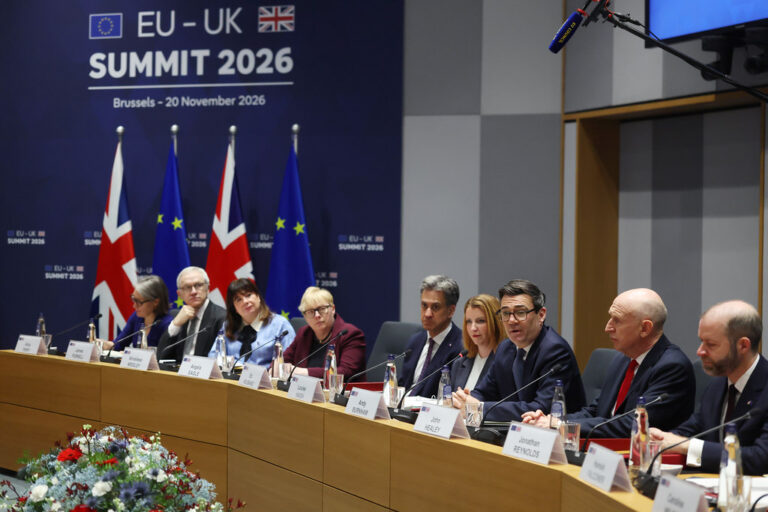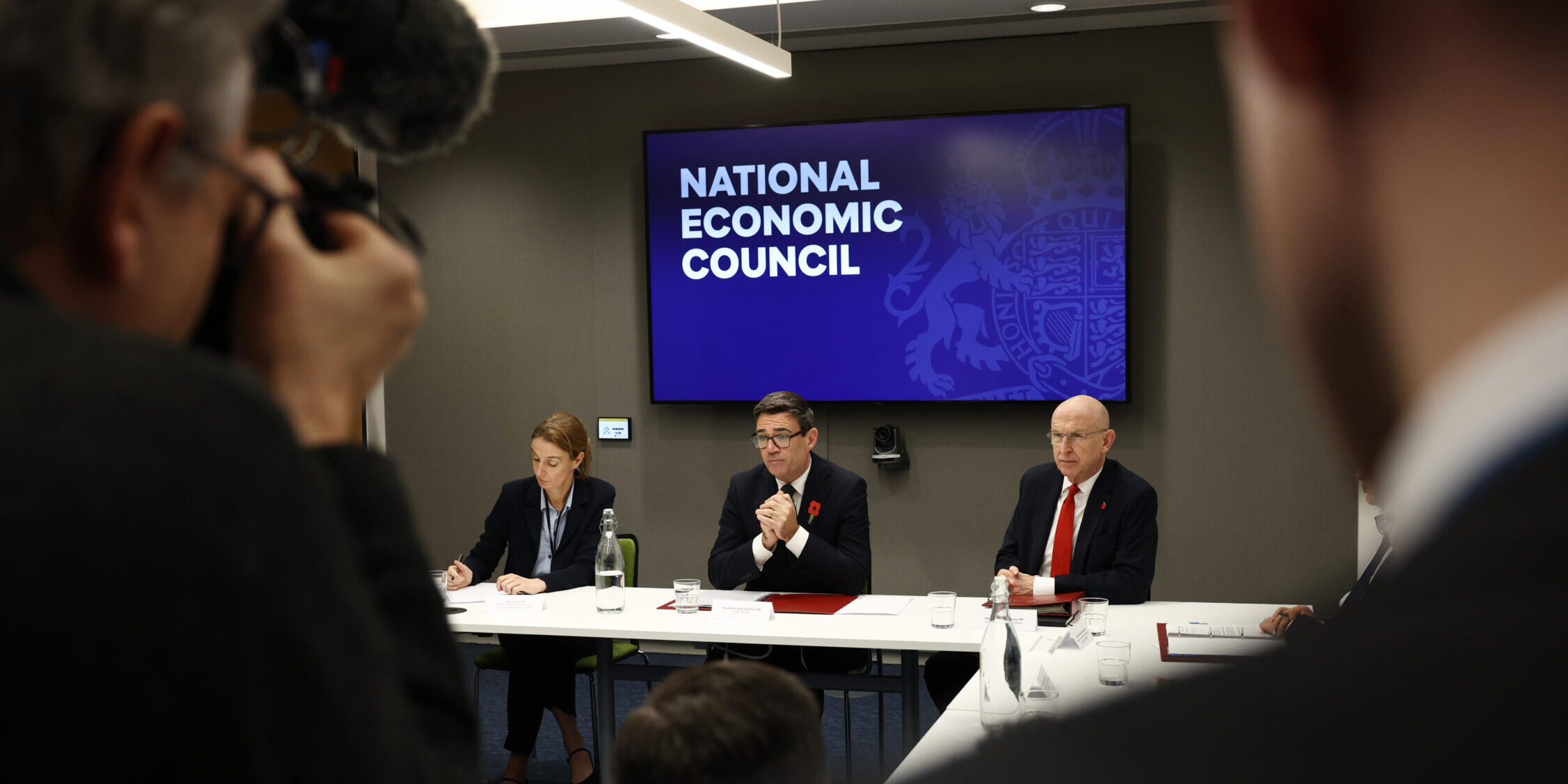
Andy Burnham, Britain’s unelected Prime Minister, said last week that his new European Union (EU) deal “will bring the cost of food down.” But The British Retail Consortium (BRC) –the primary trade association for retail businesses in the United Kingdom, which represents over 200 major retailers and thousands of smaller businesses –says it is “unlikely to have any impact on prices in the near future.”
The Sanitary and Phytosanitary (SPS) food-and-drink agreement for the United Kingdom (UK) does not apply until 1 March 2028. The BRC, which also represents the supermarkets, told reporters it does not expect prices on supermarket shelves to fall, and that food trade with the EU “represents only a fraction of the final shelf prices.”
Ed Miliband, the foreign secretary, was unable to name a single product whose price would fall, telling viewers to “take the word of all the retailers.”
Fresh Produce Faces a Huge Extra Cost.
Nigel Jenney, chief executive of the Fresh Produce Consortium (FPC), the trade body for fruit and vegetables, also warned the deal would come at a “huge self-inflicted cost” to the UK.
“The Prime Minister talks about exports, but exports don’t bring down the UK cost of living.” An analysis by the consortium puts the cost at £300 million a year, reportedly about £10 extra per household, a cost that “would sadly have to be passed on to hard-pressed consumers.”
Imports from non-EU countries would cost “considerably more,” he said, because of “a huge amount of cost and delay at the border and bureaucracy.” Citrus, mangoes, sweet potato, and soft fruit such as blueberries “will be subject to much greater rigour for no benefit,” he said. “These are not luxuries, they are a basic part of our household spend.”
Jenney said the £300 million was a net figure, because Britain has not introduced routine border inspections on European fresh produce since Brexit, and that prices for affected fruit and vegetables could rise by about 5 per cent. “The government has said this deal will help bring down food price inflation for families. On fresh produce, as drafted, it will do the opposite.” “A policy meant to ease food inflation cannot add £300m to the cost of the fruit and veg aisle and still claim to be on the shopper’s side.”
The National Pulse has already reported that the government’s 0.5 per cent growth claim covers the whole package, not the food deal alone, which official papers put at up to 0.14 per cent of UK gross domestic product (GDP), and that inflation has hit a year high under Burnham. A deal sold as help at the checkout does not take effect until 1 March 2028.