


The State Department is targeting individuals and networks facilitating commercial birth tourism.
| PULSE POINTS |
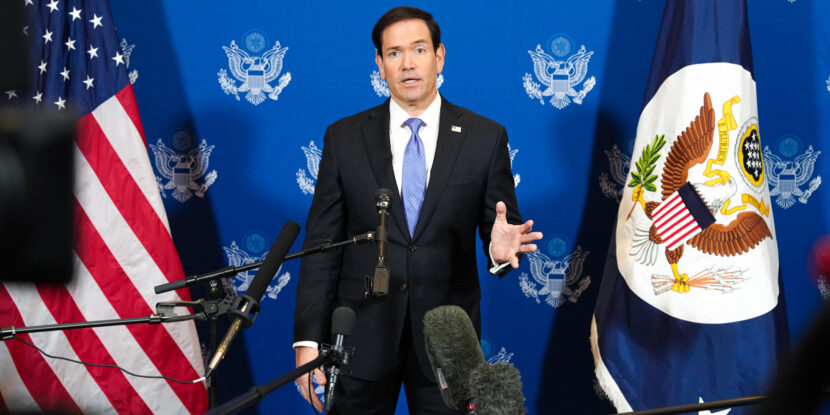
❓ WHAT HAPPENED: Secretary of State Marco Rubio announced a new visa restriction policy targeting networks and individuals engaged in commercial birth tourism. The policy, implemented under Section 212(a)(3)(C) of the Immigration and Nationality Act, aims to prevent exploitation of U.S. immigration rules for foreign-born children to obtain citizenship. 📺 DETAIL: Birth tourism involves foreign nationals traveling to the U.S. primarily to give birth, so their children automatically obtain American citizenship. The Trump administration attempted to restrict this “birthright citizenship” to fewer foreign nationals, but the Supreme Court ruled the restrictions unconstitutional. new policy targets those who facilitate this practice, including birth-tourism businesses, visa fixers, and certain medical providers. This builds on previous measures, such as the 2020 State Department guidance allowing consular officers to deny visas for suspected birth tourism purposes. 💬 KEY QUOTE: “American citizenship is not for sale,” Rubio stated, denouncing birth tourism networks “coaching foreigners to defraud the U.S. visa system, arranging travel and housing, and even forging documents.” 🎯 IMPACT: The policy underscores the broader effort by the U.S. government to tighten immigration enforcement and address loopholes exploited by foreign nationals. While the announcement does not single out any specific nationality, it coincides with ongoing U.S.-China friction, with birth tourism by wealthy Chinese nationals having been a recurring issue. 📺 FLASHBACK: In January 2020, the State Department introduced guidance allowing officers to deny B visas if they believed the applicant’s primary purpose was birth tourism. This new policy builds on that foundation by targeting facilitators and organizations involved in the practice. |
Join Pulse+ to comment below, and receive exclusive e-mail analyses.