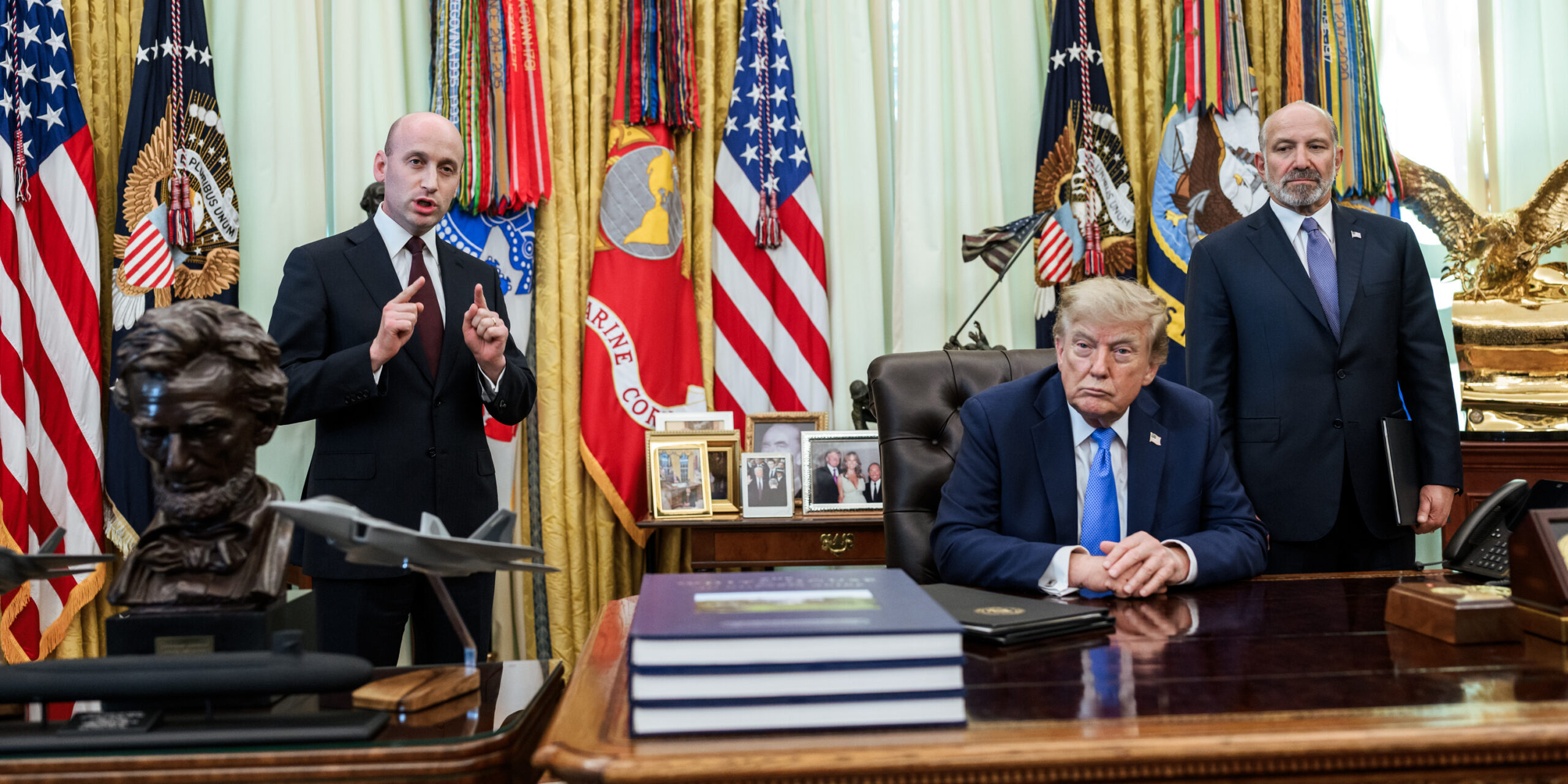
President Trump announced Friday on social media that Susie Wiles will leave her post as White House chief of staff and be replaced by Stephen Miller. The change follows the Republican Party’s loss of its House and Senate majorities in Tuesday’s midterm elections.
— Rapid Response 47 (@RapidResponse47) November 6, 2026
Wiles is the highest-ranking administration official to depart in the immediate aftermath of the midterms, which delivered a clear rebuke of the president’s handling of the economy and the conflict with Iran.
Shift in the Inner Circle.
The move will reorder the group of advisers closest to the President following the election results. Officials are preparing for Democrat-led congressional investigations and additional personnel changes in both the West Wing and the Cabinet.
Publicly, Trump had continued to express confidence in Wiles in recent months. Privately, however, her position had weakened. He reportedly began excluding her from certain hiring decisions, and criticized her in front of other staff members.
Miller’s Expanded Role.
Miller has been with Trump since the 2016 campaign and served throughout his first term in the White House. Since Trump’s return to office, he has accumulated substantial influence as a domestic policy adviser. He has been the primary architect and driver of the administration’s immigration enforcement approach, and has also driven efforts targeting certain liberal institutions.
His elevation to chief of staff places the figure most closely identified with the administration’s immigration agenda at the center of White House operations as the White House heads into a situation where the Democrats control lawmaking and government funding. The federal government will remain largely in control of immigration agencies and enforcement regardless of the Democrat majorities in the legislature, meaning it is a policy area where the White House could still make significant progress over the next two years.