The European Council announced on November 9 that it would extend its European Union Military Assistance Mission (EUMAM) until November 2028, allocating nearly €300 million ($350 million) to the operation. Significantly, Brussels confirmed that the mission would now establish a military presence inside Ukraine to coordinate directly with Ukrainian military authorities and international partners.
The program has already trained more than 100,000 Ukrainian soldiers since 2022, with training previously conducted on EU territory. Although the new deployment is officially intended for coordination rather than combat, it brings European military personnel closer to a war in which Russia has repeatedly threatened to attack foreign troops.
Western Troops Are Already Operating in Ukraine.
Despite repeated assurances that NATO countries are not directly participating in the conflict, Western military personnel have operated inside Ukraine for years. In February 2024, the British government acknowledged that a small number of its military personnel were already operating in Ukraine, supporting Ukrainian forces.
Former Royal Marines commander Lieutenant General Robert Magowan disclosed that approximately 350 British military personnel operated in Ukraine during the early months of 2022, undertaking missions with substantial political and military risks.
Investigations have also documented the presence of Western intelligence officers, military advisers, and special operations personnel on Ukrainian territory.
Moscow has made additional allegations about Western involvement. In June 2024, Russian Foreign Minister Sergei Lavrov claimed French military instructors were already operating in Ukraine. The EU’s latest decision actually represents an expansion of an existing Western military footprint.
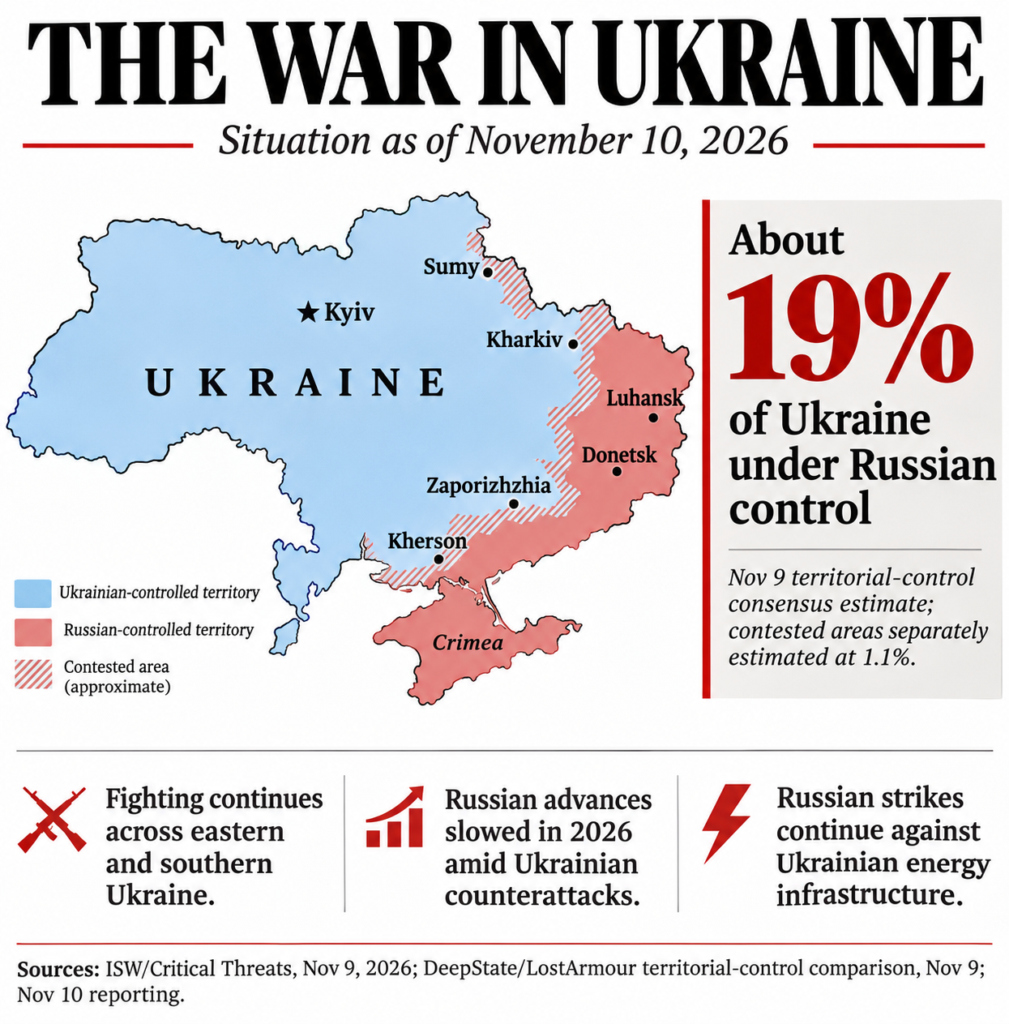
Putin Warns Western Forces Will Become Targets.
Russian President Vladimir Putin has repeatedly warned that Western troops deployed to Ukraine could face direct Russian military action. Speaking at the Eastern Economic Forum in Vladivostok on September 5, 2025, Putin explicitly declared that foreign troops operating in Ukraine would be considered legitimate targets.
“If any troops appear there, especially now, during the fighting, we assume that they will be legitimate targets for destruction,” Putin said. He further argued that Western forces would have no legitimate reason to remain in Ukraine following a negotiated peace agreement.
The warning followed earlier Russian threats against Western military instructors, with Lavrov declaring in June 2024 that foreign personnel training Ukrainian soldiers could be targeted regardless of their nationality.
A Dangerous Path Toward Direct Confrontation.
The greatest danger is that a Russian missile or drone strike could kill European military personnel, triggering demands for retaliation from Western governments.
While an incident would not automatically activate NATO’s collective-defense provisions, particularly given the geographical limitations of Article 5, it could generate a severe political crisis with potentially devastating consequences.
The danger is compounded by British and French preparations for a possible multinational force intended to help enforce a future peace agreement in Ukraine, another proposal Moscow has openly opposed.
Brussels insists its expanded mission is intended to strengthen Ukraine’s defenses. Yet every additional European military commitment creates another potential flashpoint between Russia and NATO members.
With the EU now preparing to establish an official presence inside Ukraine, European leaders are facing the very real possibility that their troops may be actively targeted by Russian forces and that a direct confrontation could spiral out of control, leading to a massive expansion of the current conflict.