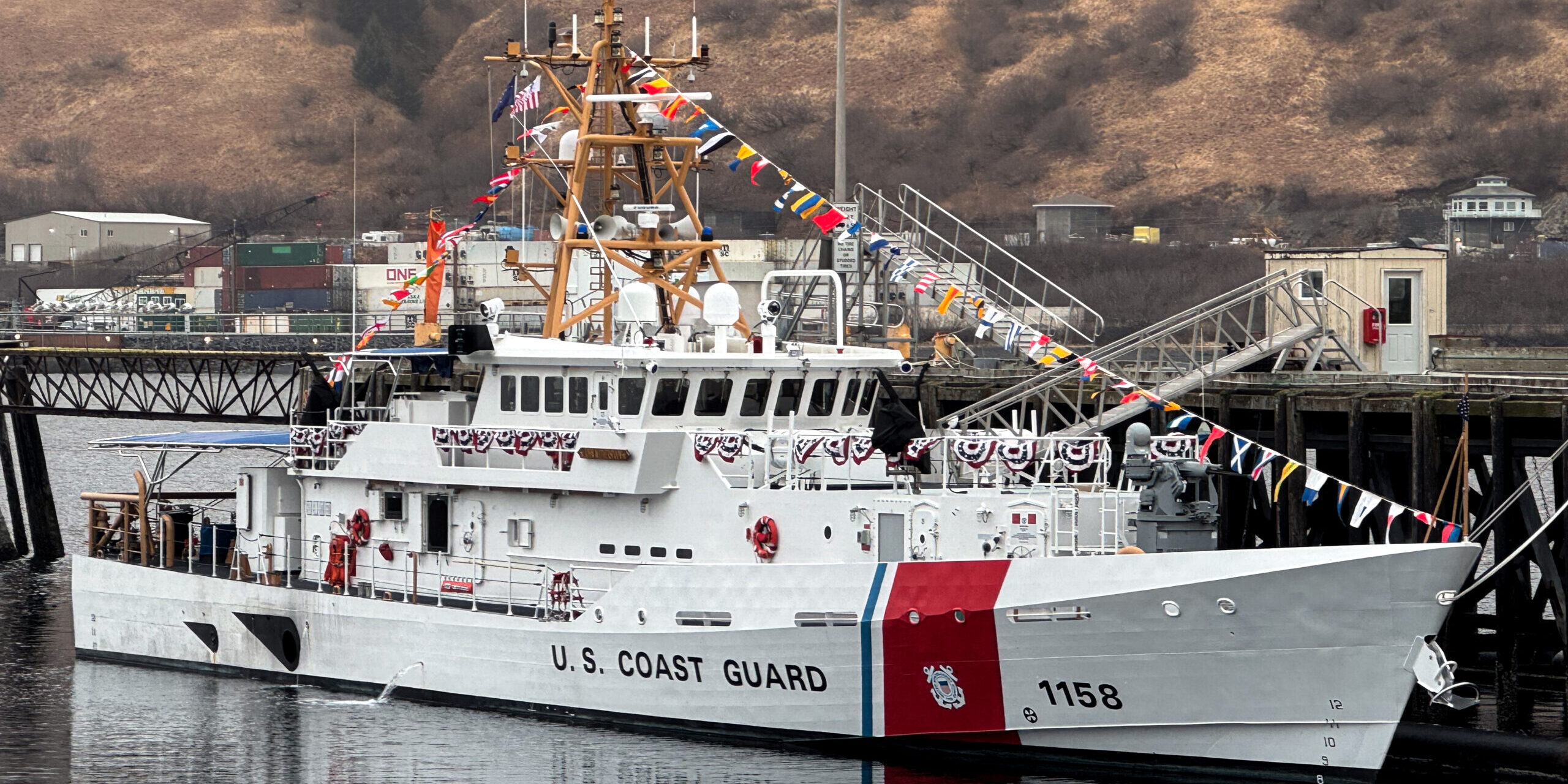
The U.S. Coast Guard has detained 40 suspected illegal immigrants aboard two smuggling boats off Southern California, highlighting a growing push by human smugglers onto open waters as federal authorities tighten land border security.
Per a release from Coast Guard Southwest District officials, personnel from the cutter John Witherspoon (WPC 1158) halted a pair of cuddy cabin vessels on November 7 and November 8. Twenty-two suspected migrants were aboard the first boat, with another 18 on the second. Following the interceptions, crews turned all 40 detainees over to Border Patrol agents at San Diego’s Ballast Point.
Federal officials stressed that ocean smuggling runs routinely depend on crowded, unsafe craft that expose passengers to deadly maritime conditions.
“I’m very proud of the technical proficiency and dedication my crew has displayed during these interdictions,” said Lieutenant Commander Matthew Panciocco, who commands the John Witherspoon. “These border-crossing attempts on overcrowded and unseaworthy vessels place lives at risk, and we remain ready to enforce our federal laws and ensure the safety of life at sea.”
Smugglers Turning to Coastal Routes.
The twin San Diego busts follow several recent ocean interdictions on both U.S. coastlines as cartels search for ways around fortified land barriers.
Back in September, CBP Air and Marine agents teamed up with Coast Guard personnel on an Operation Vigilant Sentry mission to stop a 27-foot cuddy cabin vessel near Florida’s Angelfish Creek. Authorities took 22 illegal aliens into custody, 13 from China, eight from Ecuador, and one from the Dominican Republic, along with a Cuban national suspected of smuggling them.
Earlier in November, ICE deported Octavio Jorge Cortes-Jiminez, a Mexican fugitive wanted on an attempted femicide charge, after he had entered U.S. waters off San Diego aboard a panga smuggling boat stopped by Coast Guard crews.
Homan Flags Sea Border Gaps.
Border Czar Tom Homan recently cautioned that stronger land enforcement is driving migrants and cartels toward maritime routes along both coasts. Speaking at a Miami event, Homan pointed out that smuggling networks have been staging operations across Caribbean islands including the Bahamas and British Virgin Islands, aiming to circumvent land checkpoints.
Homan noted that closing the southern land border inevitably pushes illicit networks to shift toward waterways, airspace, and northern routes through Canada.
Data from the Government Accountability Office reveals that annual maritime interceptions peaked at roughly 12,500 across fiscal years 2022 and 2023, under the Biden-Harris government, before receding to 4,228 in fiscal year 2025, under President Trump.
Despite the drop, Homan warned that coastal borders remain more vulnerable than the southern land border and pledged to bolster personnel, technology, and surveillance capabilities over the next two years to seal off maritime entry points.