




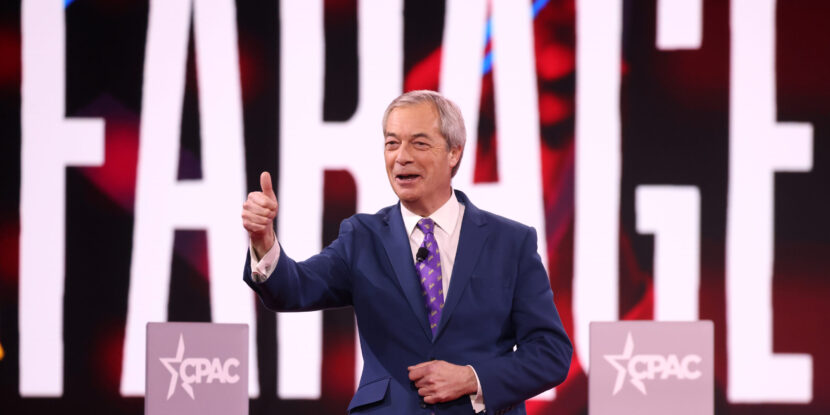
New polling has revealed that a clear majority of British voters do not want to surrender control over British laws in exchange for economic integration with the European Union.
| PULSE POINTS |
❓ WHAT HAPPENED: A new poll has revealed that most British people are opposed to closer co-operation with the European Union (EU) if it means surrendering British sovereignty. 📺 DETAIL: Commissioned by campaign group Britain Unbound and carried out by YouGov, the largest polling firm in the United Kingdom, the survey revealed that roughly 60 percent of British people are unwilling to exchange control over British laws for economic integration with the EU. Only 27 percent supported re-joining the Single Market—a free trade and shared regulatory zone, including “free movement” of migrant workers between EU members—in exchange for ceding control over British laws. Opposition to surrendering British sovereignty cut across multiple demographic dividing lines, including traditionally pro-EU groups and cohorts. Around half of participants from London, the area with the most favorable view of re-joining the EU, opposed compromising British sovereignty in exchange for the supposed economic benefits. The findings were released on Friday amid ongoing discussion of British attitudes towards the EU, 10 years after the 2016 vote to leave the EU. 🎯 IMPACT: The current Labour Party government of Prime Minister Sir Keir Starmer has been incrementally building closer economic and political ties with the EU since coming to power in 2024. Several prominent Labour figures have openly discussed and even called for Britain to rejoin the bloc, despite the fact that Britain only officially left the EU at the end of 2020. This polling suggests that sovereignty remains a key issue surrounding relations with the EU, and that even when the British public believes that there are economic upsides to EU membership, the desire to remain a self-governing, independent country remains paramount. 📺 FLASHBACK: Since coming to power, Prime Minister Starmer has sought to partially undo post-Brexit immigration controls and floated the possibility of overturning the vote to leave the EU. This is despite the fact that Brexit allowed Britain to avoid a 50 percent tariff on steel and aluminum imposed by the United States by restoring its power to conduct an independent trade policy, and Britain has proven generally better positioned to negotiate with the U.S. compared to the EU. |
Join Pulse+ to comment below, and receive exclusive e-mail analyses.









.jpg)


