




Britain’s Labour Party government has allowed a contentious trial administering puberty blockers to children to restart, despite previous safety concerns and legal challenges.
| PULSE POINTS |
❓ WHAT HAPPENED: Britain’s Medicines and Healthcare Products Regulatory Agency (MHRA) has approved new protocols for the so-called Pathways trial, allowing children as young as 11 to receive puberty blockers. This decision comes after the trial was previously halted due to safety concerns. 🎯 IMPACT: The trial’s resumption has sparked significant controversy, with critics arguing that it poses unacceptable risks to children and lacks a strong evidence base. Legal actions are ongoing, and public figures have voiced strong opposition, highlighting the ethical concerns of involving minors in such experiments. 📰 DETAIL: The Pathways trial, led by King’s College London (KCL), aims to study the effects of puberty blockers on children with so-called gender dysphoria. Despite previous bans and safety warnings, the trial will proceed with a minimum age requirement of 11 for girls and 12 for boys. Critics argue that the trial is an unethical experiment on children who cannot give informed consent—under-18s in Britain are not allowed to smoke, drink alcohol, or even use tanning beds—to “treatments” that can permanently stunt growth and cause infertility. 💬 KEY QUOTE: “It is already clear that puberty blockers are no solution to childhood gender distress, and that they cause unacceptable harm.” – Helen Joyce, director of advocacy at Sex Matters ‼️ CAVEAT: The trial’s continuation is subject to ongoing legal challenges, and recruitment has been paused until at least August 1 due to these proceedings. |
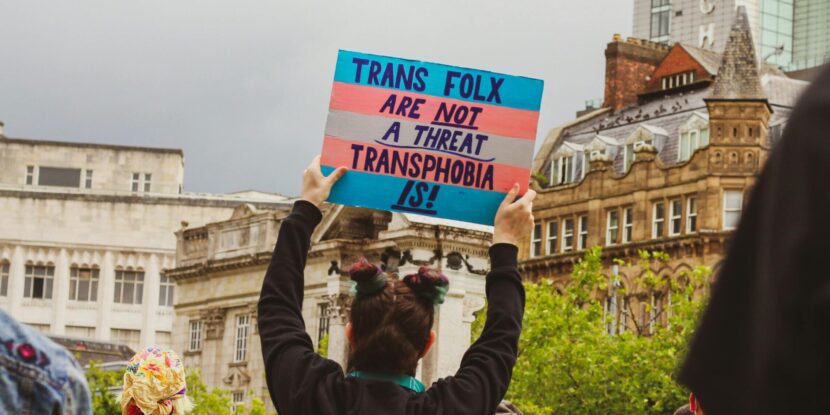
Image by Oriel Frankie Ashcroft.
Join Pulse+ to comment below, and receive exclusive e-mail analyses.












.jpg)


