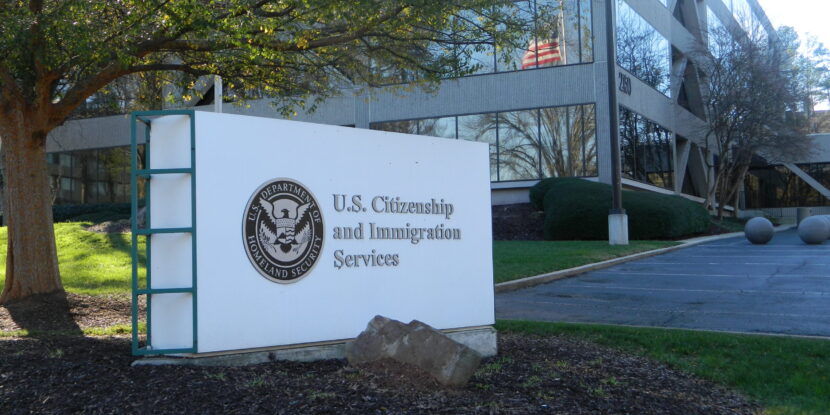
The Department of Homeland Security (DHS) has unveiled a proposal to significantly increase naturalization fees, potentially making citizenship less accessible for lower-income immigrants.
| PULSE POINTS |
❓ WHAT HAPPENED: The Department of Homeland Security (DHS) has proposed significant fee increases for naturalization applications, including a jump from $760 to $1,330 for paper filings and from $710 to $1,280 for online filings. The proposal also eliminates reduced fees and fee waivers for most applicants, with exceptions only for military service members. 📺 DETAIL: DHS says the changes are necessary to cover the full cost of adjudication, including expanded background checks, screening, and vetting requirements, and argues that demand for citizenship is unlikely to decline significantly despite higher fees. The proposal would also end reduced fees and most hardship-based waivers currently available to low-income immigrants. The rule has been published in the Federal Register and is open for public comment before any final decision is made. 🎯 IMPACT: The fee increases could delay or deter naturalization for hundreds of thousands of immigrants, particularly lower-income immigrants, while shifting more of the U.S. Citizenship and Immigration Services’ (USCIS) operating costs directly onto applicants. Notably, fewer naturalized immigrants would likely mean fewer citizens importing foreign family members through chain migration. Public comments on the proposed rule will be accepted for 60 days following its publication in the Federal Register. |
Join Pulse+ to comment below, and receive exclusive e-mail analyses.