


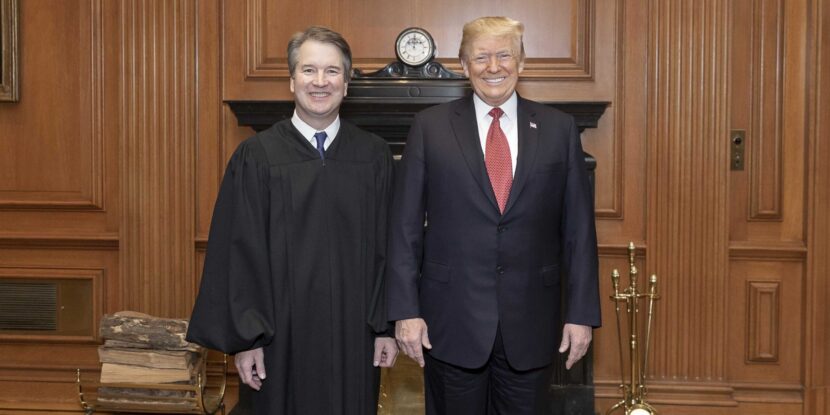
The Supreme Court has temporarily halted President Trump’s USPS mail-in voting reforms for the 2026 midterms, but Justice Kavanaugh has indicated they could still be implemented in future elections, including 2028.
| PULSE POINTS |
❓ WHAT HAPPENED: The Supreme Court rejected an emergency request to lift a lower court injunction that blocks the implementation of new United States Postal Service (USPS) safeguards on mail-in ballots for the 2026 midterms. However, Justice Brett Kavanaugh, in a concurring opinion, suggested that the USPS rules could still fall within statutory authority, providing a potential pathway for their implementation in time for the 2028 elections, which are not as short-notice as making changes in time for the midterms. 📺 DETAIL: The proposed rules included requirements for election mail logos, unique barcodes, and voter data uploads to enhance ballot tracking and guard against voter impersonation and electoral fraud. A coalition of 24 Democrat state attorneys general had sued to block the rules, arguing they infringed on the Constitution’s Elections Clause. The Trump administration countered that the USPS would merely be regulating mail processes, not election procedures. 💬 KEY QUOTE: “In my view, based on the briefing the Court has received at this interim stage, there is at least a fair prospect that the final rule falls within the Postal Service’s statutory authority.” – Justice Brett Kavanaugh 🎯 IMPACT: While the reforms will not take effect for the 2026 midterms, they could be implemented for the 2028 presidential election. The timing of future litigation will play a critical role, with fewer logistical hurdles expected for implementation over a longer timeframe. The decision underscores ongoing debates over election integrity and federal involvement in mail-in voting. 📺 FLASHBACK: This decision follows previous rulings in which Justice Kavanaugh outlined legal pathways to revive Trump administration policies defeated by lawfare, including birthright citizenship and tariffs, suggesting that these issues remain open rather than definitively closed. |
Join Pulse+ to comment below, and receive exclusive e-mail analyses.