The Alternative for Germany (AfD) party has achieved a significant breakthrough in Lower Saxony, tripling its vote share, while support for Germany’s two main establishment parties hit historic lows.
| PULSE POINTS |
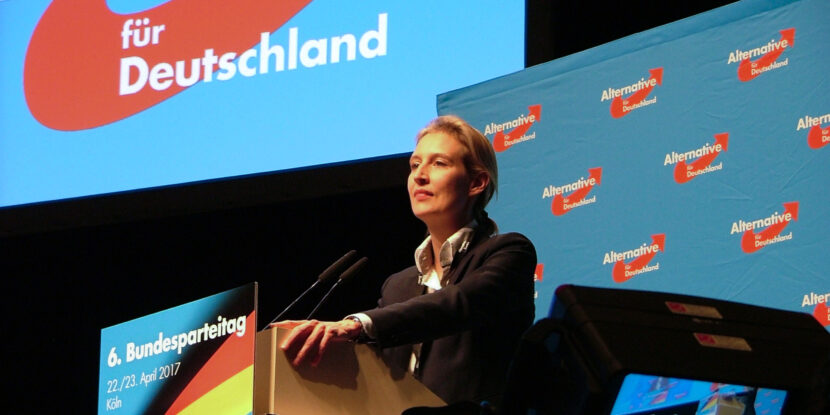
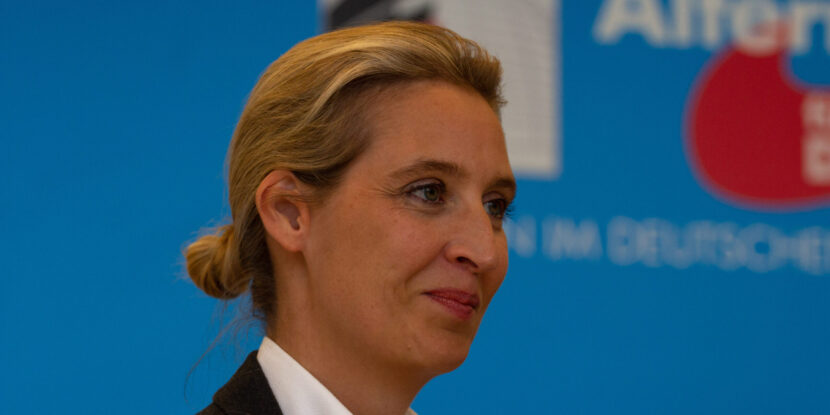
❓ WHAT HAPPENED: The Alternative for Germany (AfD) party has tripled its vote share in Lower Saxony’s state elections. 📺 DETAIL: On Monday, it was reported that the AfD’s vote share in the region jumped from 4.6 percent in 2021 to 15.9 percent. The party finished in third place. Meanwhile, Germany’s two main establishment parties, Chancellor Friedrich Merz’s Christian Democratic Union (CDU) and the Social Democratic Party (SPD), recorded their worst-ever results in the region, with both losing significant support. The CDU came in first with 27 percent of the vote, a decline of roughly five percentage points from the previous election. This follows the AfD’s historic victory in the eastern Saxony-Anhalt region. There, the party secured 44 percent of the vote in its first-ever statewide victory. “It is the most severe election defeat the CDU has suffered in years, indeed in decades,” Chancellor Merz said of the results at the time. In contrast, President Donald J. Trump welcomed the result. “Wow! The Populist Party in Germany just had a really big night… THEY ARE ON THE RISE, and not going to take it anymore! MGGA!!!” the President posted on Truth Social. 💬 KEY QUOTE: “Given the coalition’s dismal state, new [federal] elections would be the cleanest solution from our perspective… The people must now decide who should lead the country out of this crisis.” – Alice Weidel, AfD Leader. 🎯 IMPACT: The results represent significant progress for the AfD in Germany’s western regions, especially since the party’s base of support is mostly concentrated in the east. The results have intensified calls for a snap federal election, with AfD leaders arguing that the current government coalition is failing to address Germany’s challenges. This strong showing from the AfD in an area beyond its traditional strongholds is likely to spark further calls from within the German political establishment to ban the insurgent populist party. “Not with the politically predetermined goal that you now have to examine a ban, but to examine this party and the possible legal consequences. That could be a ban, but it could also be something else,” said Hendrik Wüst, Premier (Governor) of North Rhine-Westphalia for the CDU last week. |
Join Pulse+ to comment below, and receive exclusive e-mail analyses.