


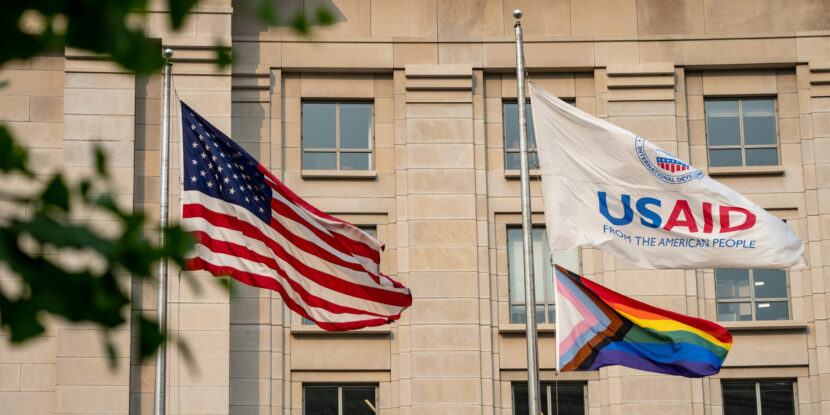

A Biden-era grant to a Serbian political organization is raising fresh questions about the legacy of the United States Agency for International Development (USAID), the foreign aid organization targeted for dismantling by President Donald J. Trump.
The National Pulse gives you deep dives into the issues that matter. To help support Raheem J. Kassam and his team continue this work, please JOIN THE NATIONAL PULSE or MAKE A DONATION today. We are 100% reader-funded.
For decades, USAID presented itself as being engaged in altruistic operations like humanitarian assistance and economic development. However, its real, deeper history involved financing political opposition movements and so-called “color revolutions,” partisan media operations, voter-mobilization campaigns, and progressive ideological initiatives worldwide.
From the campaigns to topple former Serbian President Slobodan Milošević in 2000 to covert social media operations in Cuba, USAID’s political activities have frequently flown under the radar compared to more prominent humanitarian spending on things like food and medical aid.
The agency’s involvement in foreign politics is not simply a matter of speculation. Congressional documents, official USAID records, and various investigations have proven its role in promoting political transitions, cultivating activists, and advancing the preferred policies of agencies like the CIA and the Deep State overseas.
Serbia: American Money and a New Political Crisis.
The Center for Research, Transparency, and Accountability (CRTA), a Serbian NGO involved in election monitoring and public advocacy, has received $832,432.47 under a Biden-era USAID grant, with approximately $2.8 million yet to be given, meaning that despite massive cuts to USAID under the second Trump administration, money is still flowing to its political programs.
The award, established in 2023, supposedly for election integrity activities, was expanded on January 17, 2025, just three days before President Trump’s second inauguration.
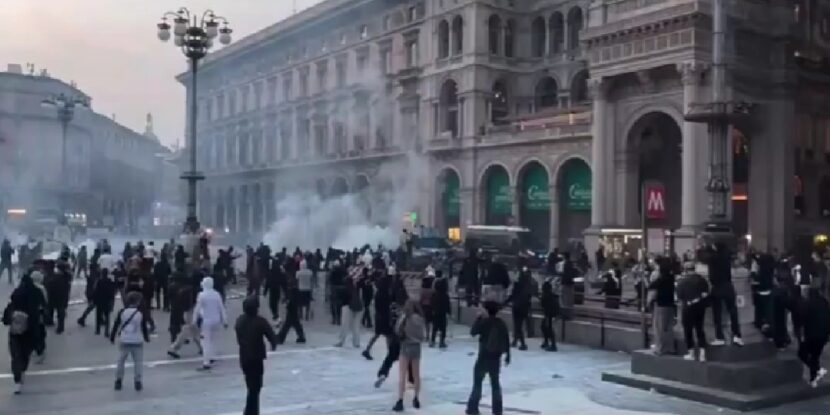
The revelations come as Serbia prepares for parliamentary elections on October 25, with student-led protests presenting a serious challenge to the political establishment associated with former President Aleksandar Vučić. CRTA has publicized the protesters’ demands, while Vučić has accused foreign-backed NGOs of attempting to destabilize his government.
USAID’s Cold War Origins and CIA Connections.
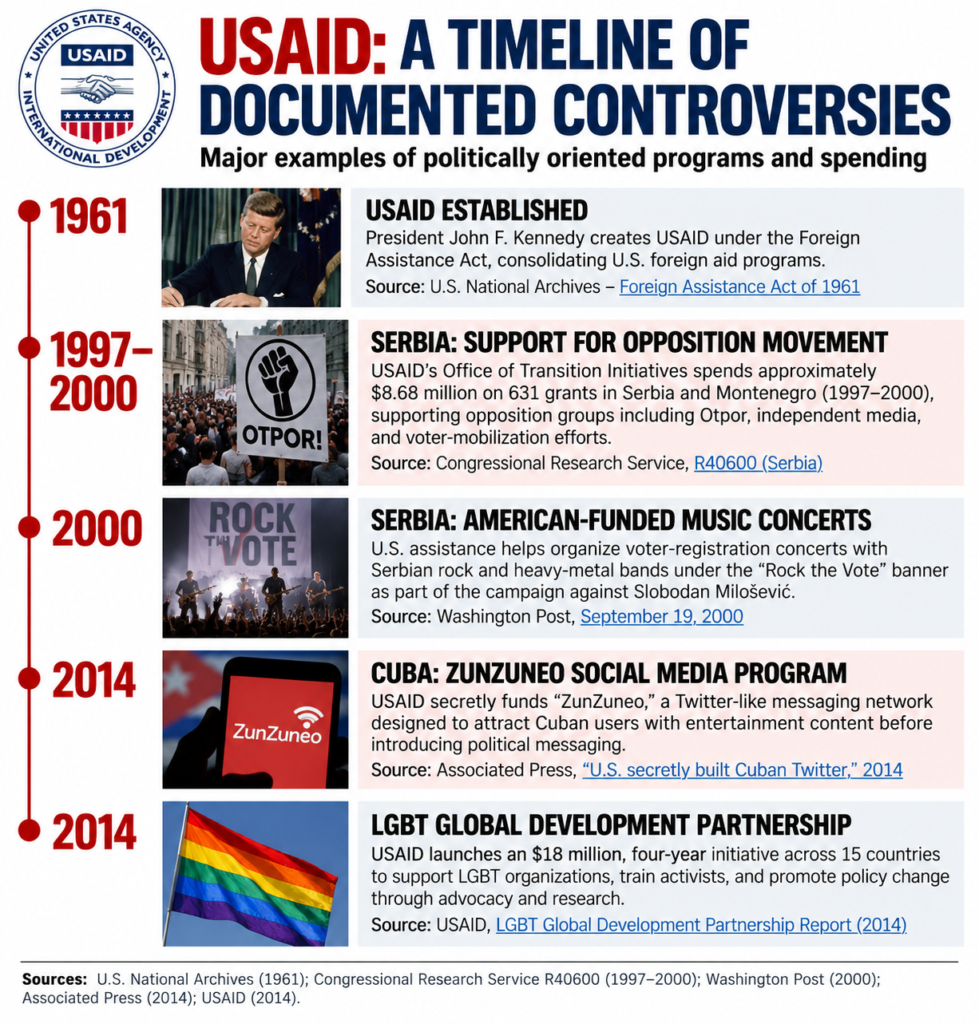
USAID was established by President John F. Kennedy in 1961, consolidating America’s foreign development programs into an agency intended to promote economic growth and stability overseas. The agency was created amid the Cold War and was largely used as a tool of “soft power” to influence regimes away from the USSR.
Its activities sometimes overlapped with American intelligence objectives. Accounts of Cold War operations in Southeast Asia describe the CIA’s use of USAID-related arrangements, including testimony concerning USAID cover in Laos. Some have even described USAID as a “cover” for CIA activity.
USAID’s political functions were also openly acknowledged. A Congressional Research Service examination of the agency’s Office of Transition Initiatives (OTI) detailed its involvement in politically sensitive transitions, including support for opposition organizations in Serbia in the 1990s.
How Washington Helped Overthrow Serbia’s Milošević.
The most striking historical parallel to the current Serbian controversy is the American-financed campaign against Yugoslav President Slobodan Milošević in 2000. A Washington Post investigation published in December 2000 documented approximately $41 million in American appropriations during 1999 and 2000, much of which supported the political infrastructure opposing Milošević.
The campaign included political consultants, opinion polling, opposition training, election monitoring, and mass-produced propaganda. American taxpayers financed 2.5 million stickers bearing the Serbian slogan “Gotov je,” meaning “He’s finished,” as well as 5,000 cans of spray paint used by activists to spread anti-Milošević messages.
The International Republican Institute also trained leaders of Otpor, the student resistance movement that became central to Milošević’s downfall. American-funded consultants helped opposition groups develop messaging and mobilization strategies.
Popular culture was another weapon. A separate Washington Post report revealed that American assistance reached Serbian heavy-metal bands participating in voter-registration concerts under the banner of “Rock the Vote.”
A subsequent USAID evaluation documented the political importance of the agency’s Serbian activities. According to a Congressional Research Service summary, OTI spent approximately $8.68 million on 631 grants in Serbia and Montenegro between 1997 and October 2000.
Cuba: USAID’s Secret Social Media Network.
During the Obama administration, USAID secretly financed a Twitter-like communications network in Cuba called ZunZuneo. The platform used intermediaries and offshore arrangements to conceal its American government financing.
The service initially distributed material about sports, music, and entertainment, attracting Cuban users who were unaware of USAID’s involvement. Internal documents described ambitions to introduce political messaging and encourage mobilization against the Castro government. The operation even exploited interest surrounding a major concert by Colombian singer Juanes to test its messaging capabilities.
A subsequent USAID Inspector General investigation confirmed that implementers had deliberately concealed the American government’s role, including through offshore corporate arrangements. USAID disputed allegations that the project constituted a covert regime-change operation, arguing that discretion was necessary to protect participants and circumvent Cuban censorship.
Despite USAID’s statements, the operation revealed yet another time the agency had meddled in the political affairs of another country under the guise of being simply dedicated to humanitarian ventures.
Millions for LGBT Activism and Progressive Causes.
Beyond attempts to influence foreign governments, USAID also became an important international financier of progressive social ideologies across the globe, much of which was revealed when President Trump’s Department of Government Efficiency (DOGE) looked into USAID’s activities in 2025.
Under former President Barack Obama, the agency expanded its involvement in LGBT advocacy through partnerships with organizations including the Astraea Lesbian Foundation for Justice, the Gay & Lesbian Victory Institute, and the Swedish Federation for LGBT Rights. According to USAID’s own partnership report, the LGBT Global Development Partnership represented an $18 million, four-year public-private initiative spanning 15 countries.
Its objectives included strengthening LGBT civil society organizations, training activists to participate in democratic processes, and conducting research intended to influence policy.
A Williams Institute analysis reported that USAID’s dedicated LGBT programming increased from approximately $6 million in 2021 to $25 million in 2024 under President Joe Biden. The agency also supported initiatives in Asia and Latin America addressing LGBT legal rights, discrimination, and political participation.
A 2015 Obama White House fact sheet disclosed approximately $3.3 million in USAID spending on stand-alone LGBT programs during fiscal year 2014, alongside $113 million in broader health and human-rights programs relevant to LGBT populations. Critics have questioned why American taxpayers were financing overseas social advocacy and political organizing, particularly in countries with different cultural and religious traditions.
Trump’s Crackdown—and the Political Networks Left Behind.
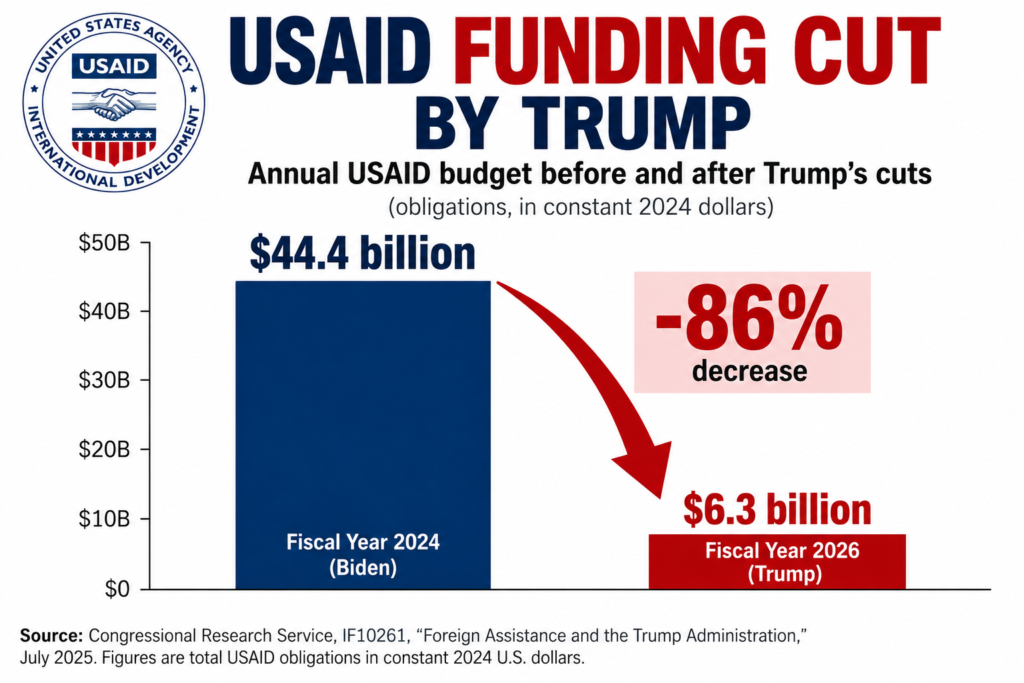
President Trump’s effort to dismantle USAID’s massive institutional structure represented a major challenge to Washington’s traditional foreign-aid establishment. For supporters of the America First agenda, the agency’s record raised a fundamental question: Why should American taxpayers finance political activism, foreign NGOs, and ideological initiatives overseas?
The historical record provides considerable evidence that USAID supported more than humanitarian assistance. In Serbia, its funding helped opposition activists defeat an incumbent government. In Cuba, it financed a communications network whose American sponsorship was deliberately concealed. Elsewhere, it supported organizations seeking changes to social policies and political participation.
The renewed controversy in Serbia suggests that dismantling an agency’s bureaucracy has not necessarily eliminated the infrastructure it created, nor stopped all of its funding.
To help Raheem J. Kassam and his team keep putting out the best quality analysis and news, please JOIN THE NATIONAL PULSE or MAKE A DONATION today.
Join Pulse+ to comment below, and receive exclusive e-mail analyses.