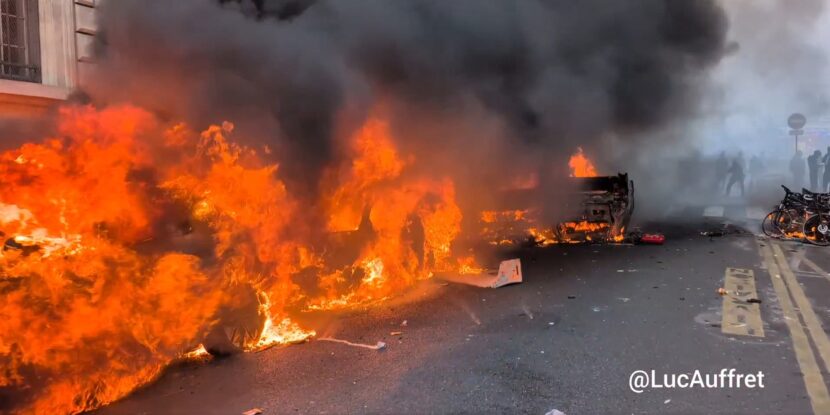



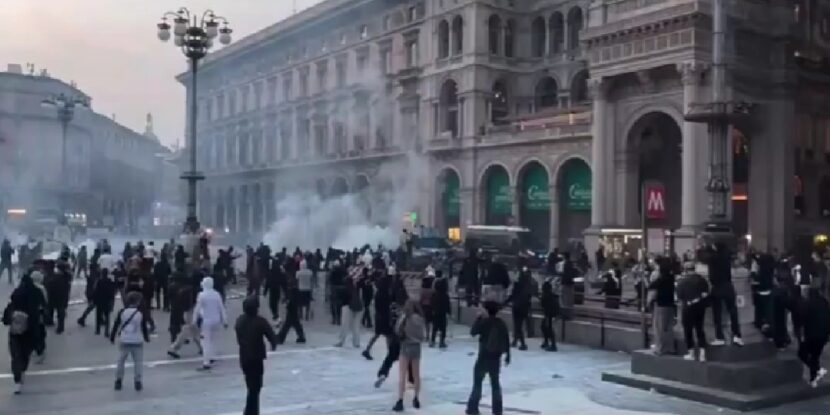

Violent youth gangs associated with Italy’s second-generation immigrant communities have turned the streets of Milan into scenes of chaos, looting, and destruction, prompting Italian Prime Minister Giorgia Meloni to announce sweeping new law-and-order measures. The disturbances, which erupted over the weekend of October 17–18, saw thousands of young people descend on the northern Italian city’s historic city center, attacking police officers, smashing storefronts, and ransacking businesses.
The National Pulse is here to keep you as informed as possible. To support Raheem J. Kassam and his team, please JOIN THE NATIONAL PULSE or MAKE A DONATION today. We are 100% reader-funded.
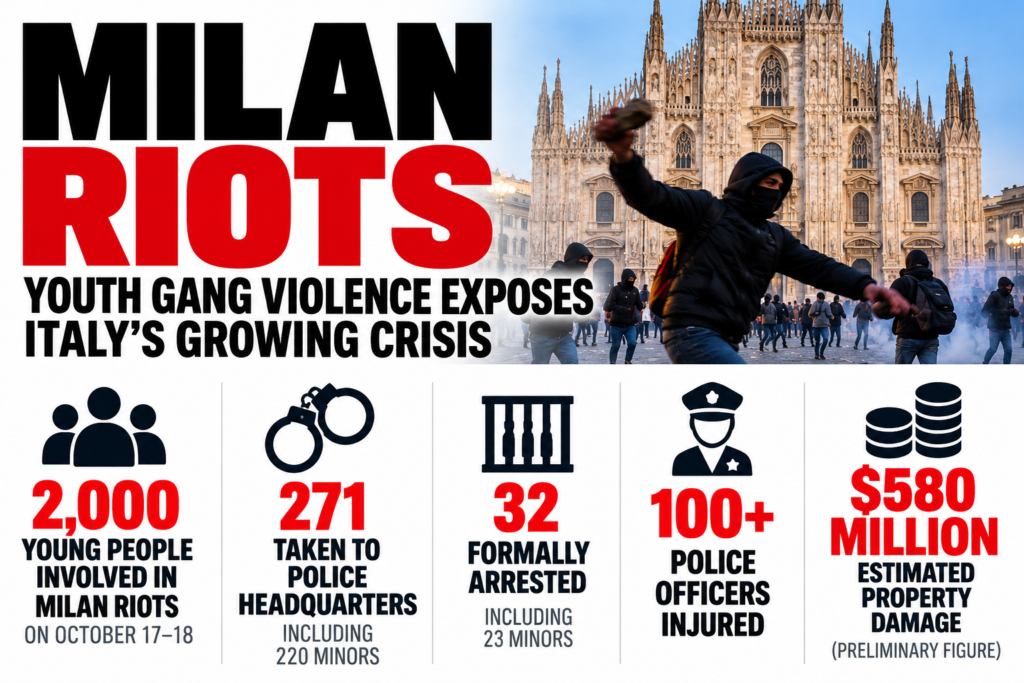
According to Italian news agency ANSA, the violence caused damage initially estimated at more than half a billion euros, approximately $580 million, although the figure is just an estimate so far.
Police deployed tear gas and water cannons as masked rioters hurled stones, bottles, and concrete blocks at officers. Disturbances were also reported in other major Italian cities, such as Bologna, Brescia, Bergamo, and Turin, fueling fears that the unrest may spread across northern Italy.
Children As Young As 11 Involved in the Violence.
According to police-sourced figures, authorities brought 271 individuals to police headquarters, including 220 minors and 60 foreign nationals. Of those, 32 were formally arrested, including 23 minors and 13 foreign nationals. Fourteen police officers were reported injured in Sunday’s violence.
Italian media reporting described children as young as 10 and 11 wearing masks, carrying clubs, and riding scooters through the streets while participating in the disorder. A report identified the growing influence of the so-called Maranza phenomenon, a youth subculture associated with aggressive street behavior, intimidation, and criminal activity.
The term has become particularly prominent in Milan, where groups of teenagers, including many from North African and Eastern European immigrant backgrounds, have attracted growing attention from police.
The New Migrant Generation Hates the West.
Parents gathered outside Milan police stations after discovering their children had been detained following the violence. One Tunisian father, who described working tirelessly to support his family, said he was ashamed and disappointed over his son’s alleged involvement. Others reportedly discovered their children had traveled into central Milan only after being told by police.
The riots initially developed around demonstrations against rising living costs, largely inspired by the French riots going on at the same time. However, footage circulating on social media apps like TikTok and Instagram reportedly encouraged teenagers from surrounding suburbs to join the disorder.
Some participants appeared more interested in filming themselves looting shops and confronting police than advancing any sort of political movement. Italian authorities also identified far-left activists among the demonstrators, something also seen during the mass riots in France.
BREAKING:
Inspired by France, young second and third-generation migrants started looting stores in Milan, Italy around 2 hours ago.
International mainstream media isn’t showing just how bad things are in Europe. pic.twitter.com/ngDVLvDpj2
— Visegrád 24 (@visegrad24) October 18, 2026
Meloni Sends the Army In.
Prime Minister Giorgia Meloni responded to the rioting on October 20, approving an emergency security decree intended to restore order and strengthen penalties against violent offenders. The government authorized the deployment of an additional 500 soldiers to Milan through the end of 2026.
The measures also introduce a new criminal offense for violent participation in demonstrations, carrying penalties of up to five years in prison and fines reaching approximately $22,500. Parents could be made financially responsible for damage caused by their minor children, while prosecutors would receive expanded powers to pursue criminal cases involving offenders aged 14 and older.
Meloni described the involvement of so many children in the violence as disturbing, warning against allowing images of young rioters stealing and destroying property to inspire further copycat attacks. The crackdown builds on previous security legislation introduced by Meloni’s government, including 2023 measures targeting juvenile crime.
🇮🇹 The violent riots have SPREAD to Italy, and the fashion capital of Milan is taking the full brunt of it.
More "aggrieved European students" are smashing cars and kicking through store windows.
The police have deployed tear gas but honestly, this already looks completely out…
— Mario Nawfal (@MarioNawfal) October 19, 2026
Migrant Riots Are Spreading Across Europe.
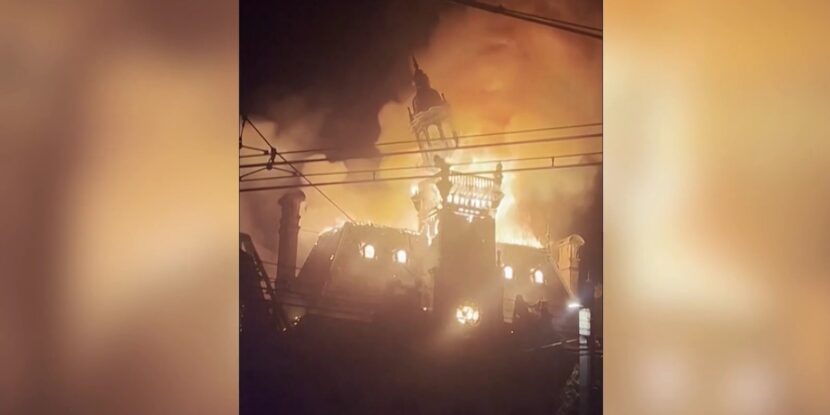
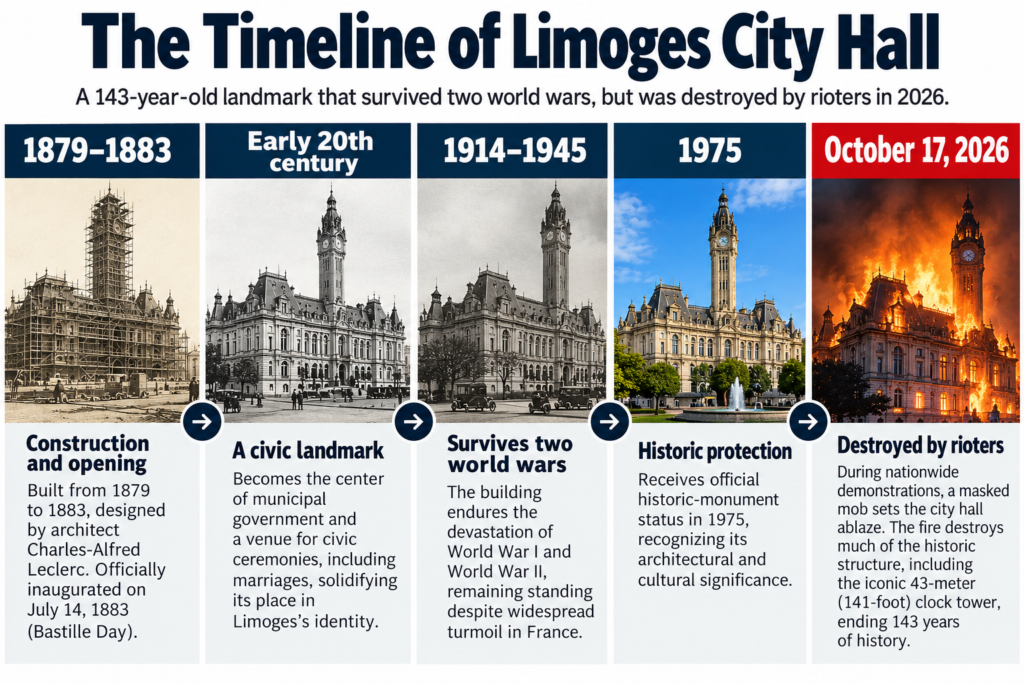
The violence in Milan has similarities to the mass riots in France, which saw leftist agitators and migrant background youth loot and burn cities across the country, including burning down the historic city hall in the city of Limoges.
The violence may be a key test for Meloni, who has often touted her tough-on-crime policies and claimed to be opposed to mass migration. The allegations that many of those involved are second or third-generation migrants reveal the utter failure of integration policies in the country, a fact Meloni will have to address.
With social media playing a large part in the riots, it remains to be seen if Meloni, like many other European leaders, will make moves to restrict access to platforms like Instagram and TikTok for young people.
To help Raheem J. Kassam and his team deliver you the latest news and analysis, please JOIN THE NATIONAL PULSE or MAKE A DONATION today.
Join Pulse+ to comment below, and receive exclusive e-mail analyses.